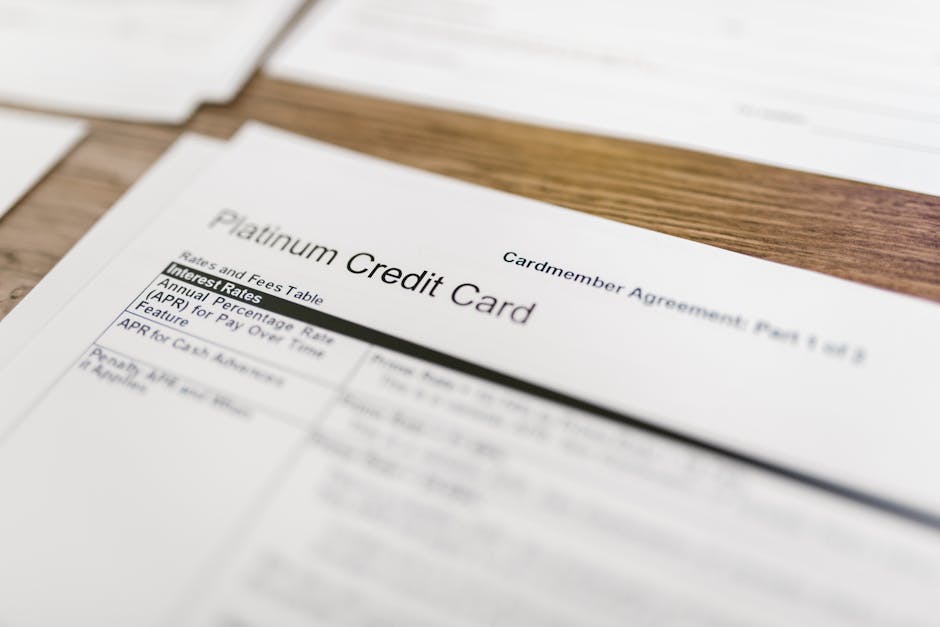
HVAC tax credits for 2026 provide homeowners with federal rebates up to $2,000 for installing energy-efficient heating and cooling systems. These credits, expanded under the Inflation Reduction Act, apply to heat pumps, furnaces, and air conditioning systems that meet DOE efficiency standards. Eligibility depends on household income and system specifications.
What Are HVAC Tax Credits for 2026?
Federal HVAC tax credits represent a significant opportunity for homeowners to reduce the out-of-pocket cost of upgrading their heating and cooling systems. The Inflation Reduction Act (IRA) substantially expanded these incentives, making energy-efficient upgrades more accessible to American families.
These residential heat pump tax credits can cover up to $2,000 per system, though the exact amount depends on the type of equipment installed and your household income. The credits apply to various HVAC components, including standalone heat pumps, central air conditioning systems, and furnaces that meet stringent efficiency requirements established by the Department of Energy.
Unlike rebates that reduce your purchase price directly, tax credits reduce your federal income tax liability dollar-for-dollar. This means if you owe $3,000 in federal taxes and claim a $2,000 HVAC tax credit, you’ll owe only $1,000. According to ENERGY.GOV’s heating and cooling guidance, these credits are designed to accelerate the adoption of high-efficiency systems that lower both energy consumption and greenhouse gas emissions.
Eligibility Requirements for Federal HVAC Tax Credits
Not all homeowners qualify for the full credit amount. Understanding eligibility requirements ensures you claim the maximum benefit available to you.
What HVAC systems qualify for 2026 tax credits?
Several system types qualify for heating cooling system tax deductions under current IRA guidelines:
- Central Air Source Heat Pumps: Among the most popular options, these systems provide both heating and cooling and qualify for up to $2,000 credits if they meet SEER2 efficiency ratings of 16 or higher.
- Ground Source Heat Pumps: More expensive upfront but highly efficient, these qualify for credits up to $3,000 in some cases due to superior performance.
- Ductless Mini-Split Heat Pumps: Ideal for homes without ductwork, these can earn $2,000 credits when they meet efficiency standards.
- Electric Furnaces: Replacing gas furnaces with electric models that use heat pump technology qualifies for tax credits.
- Central Air Conditioners: Standalone AC replacements earning SEER2 ratings of 16+ qualify for up to $1,500.
Income limits vary by system type and location. Generally, single filers earning up to $200,000 annually and joint filers up to $400,000 qualify for full credits. Higher-income households may still receive partial credits with reduced amounts.
Your home must be your primary residence, and you cannot claim credits for properties you rent out to others. Additionally, the credit applies only to newly installed systems, not replacements of identical equipment.
How much can you save with HVAC tax credits?
Potential savings vary significantly based on your system choice and income level. Here’s what homeowners might expect from energy efficient HVAC rebates 2026:
- Central air source heat pumps: Up to $2,000
- Ground source heat pumps: Up to $3,000
- Individual air conditioning systems: Up to $1,500
- Furnaces and boilers: Up to $1,200
These represent direct reductions in your tax liability. When combined with state and local incentives, total savings can offset 40-60% of installation costs for high-efficiency systems.
Types of HVAC Systems Qualifying for Tax Credits
Understanding which systems qualify helps you make informed upgrade decisions aligned with available incentives.
Heat Pumps Lead the Credits Program—Both air-source and ground-source models receive the most generous incentive treatment. These systems are particularly valuable because they provide efficient heating during winter and cooling during summer, essentially serving as two systems in one.
Air Conditioning Systems qualify when they achieve SEER2 ratings of 16 or higher. The SEER2 standard replaced the older SEER rating in 2023, reflecting real-world efficiency more accurately.
Furnaces and Boilers qualify when they’re high-efficiency electric models or when replacing gas systems with electric heat pump technology. Traditional natural gas furnaces do not qualify, pushing the program toward electrification goals.
When selecting a system, verify that your chosen model appears on the DOE’s qualified equipment list before purchase. This confirmation ensures you’ll meet credit requirements when filing taxes.
How to Claim Your HVAC Tax Credits
The claiming process is straightforward but requires proper documentation. Here’s what you need to know:
Step 1: Purchase Qualifying Equipment—Ensure your contractor provides documentation showing the system’s efficiency ratings (SEER2, HSPF2, etc.) and confirmation that it meets DOE standards.
Step 2: Keep Installation Records—Maintain receipts and installation invoices. The IRS may request proof that the work was performed on your primary residence during the tax year you claim the credit.
Step 3: File Form 5695—This IRS form is where you report residential energy credits. It’s filed with your annual tax return (Form 1040).
Step 4: Claim the Credit Amount—Enter the applicable credit based on your system type and ensure your household income falls within eligibility limits.
Do I need to hire a professional to get HVAC tax credits?
Yes, the equipment must be installed by a licensed professional. DIY installation doesn’t qualify for federal tax credits. However, many professional installers are familiar with IRA credit requirements and will help ensure your system qualifies.
When obtaining quotes, ask contractors whether they’re experienced with tax credit installations and if they provide the documentation needed for your tax filing. Some contractors now handle credit paperwork as part of their service.
State and Local HVAC Incentives Beyond Federal Credits
Many states and utility companies offer additional incentives layering on top of federal credits. These can include direct rebates, low-interest financing, or additional tax deductions. Check with your state energy office or local utility company for programs specific to your area—these often have less stringent income requirements than federal programs.
How to Use the HVAC Calculator for Your Upgrade Decision
Before committing to a system purchase, use our HVAC calculator to determine the right system size for your home. Oversized or undersized systems waste energy and may not qualify for efficiency-based credits. Our tool helps you calculate proper sizing based on your square footage and climate zone.
For more detailed analysis, our HVAC cost calculator estimates installation expenses and helps you factor in tax credit savings to determine your true net investment.
FAQs About HVAC Tax Credits 2026
Can I claim HVAC tax credits for rental properties?
No. Federal HVAC tax credits apply only to systems installed in
- ENERGY STAR Certified Heat Pump Systems — Heat pumps are primary HVAC systems eligible for 2026 tax credits up to $2,000. Linking to qualified units helps readers find compliant products.
- Home Energy Audit Kit/Thermal Imaging Camera — Helps homeowners assess current HVAC efficiency and determine eligibility for credits before making purchases and filing for rebates.
- Energy-Efficient Programmable Smart Thermostat — Complements qualified HVAC systems to maximize energy savings and tax credit benefits while improving overall system efficiency.
Related: HVAC Tax Credits and Rebates Available in 2026
Related: HVAC Federal Tax Credits: What You Can Claim in 2025
SPONSORED
Estimating Software Built for HVAC Contractors
ArcSite lets you draw site plans, create estimates, and close jobs faster — all from your phone or tablet. Used by 100,000+ field service professionals.
Try ArcSite Free →Affiliate partner — we may earn a commission at no cost to you.
SPONSORED
Need HVAC Cleaning or Home Services?
Cleanster connects homeowners with vetted cleaning and home service professionals. Book online in minutes.
Book a Service →Affiliate partner — we may earn a commission at no cost to you.