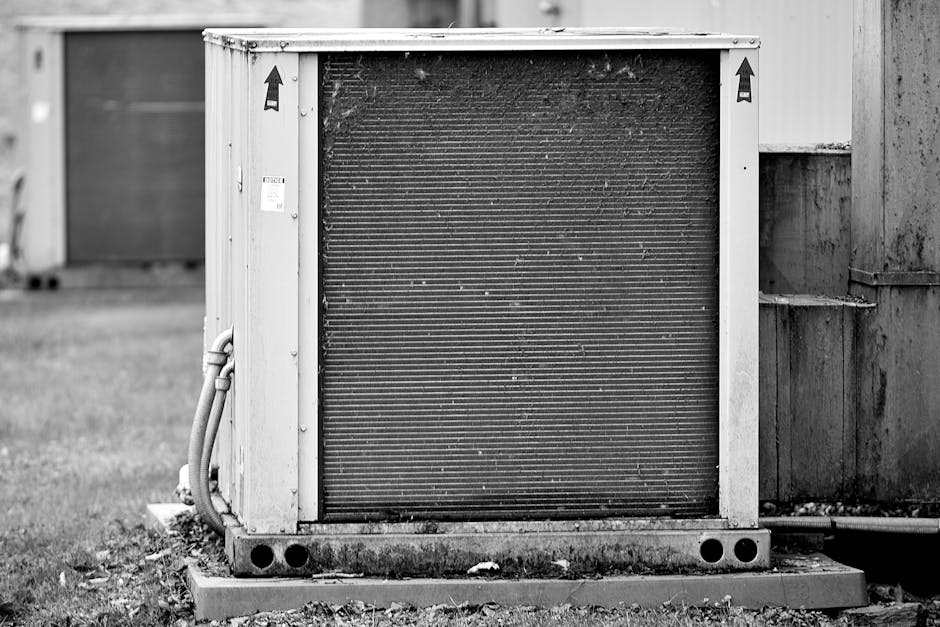
Commercial HVAC systems are sized for larger buildings with complex layouts and higher occupancy, requiring professional load calculations in BTU or tonnage. Residential systems serve single-family homes with simpler ductwork, using smaller capacity units. Commercial systems typically range 5-50+ tons; residential units are 1.5-5 tons.
Key Differences Between Commercial and Residential HVAC Systems
The distinction between commercial and residential HVAC sizing starts with building complexity. A residential cooling capacity differs dramatically from commercial HVAC because residential units operate in controlled environments—single-family homes with predictable square footage, standard wall insulation, and fixed occupancy levels.
Commercial buildings present entirely different challenges. They feature variable occupancy rates, multiple zones requiring independent temperature control, glass-heavy facades that increase solar heat gain, and sophisticated ventilation requirements tied to local building codes. A commercial HVAC load calculation accounts for these variables systematically.
According to energy.gov’s heating and cooling guidance, sizing accuracy determines efficiency and comfort. Undersized systems struggle to meet demand; oversized units cycle inefficiently, wasting energy.
Residential systems typically deliver 1.5 to 5 tons of cooling capacity, while commercial installations range from 5 to 50+ tons depending on building size and function. This isn’t just a difference in scale—it reflects fundamentally different design methodologies.
Sizing Requirements: Commercial HVAC vs Residential
Residential HVAC system sizing requirements follow a straightforward methodology. Technicians measure square footage, evaluate insulation quality, count windows and doors, and assess local climate conditions. The result determines whether a 2-ton, 3-ton, or 4-ton unit fits the home.
You can explore this process using our residential HVAC calculator, which guides homeowners through essential variables.
Commercial HVAC sizing requirements demand greater sophistication. Professional engineers conduct comprehensive load calculations following industry standards. They analyze:
- Internal heat generation from occupants, lighting, and equipment
- Outdoor air exchange rates mandated by building codes
- Thermal characteristics of exterior walls, roof, and windows
- Seasonal variations and peak usage patterns
- Future expansion possibilities and system redundancy
Commercial load calculations produce data in tons or BTUs (British Thermal Units) per hour, providing the foundation for equipment selection and ductwork design. Unlike residential systems with a single thermostat, commercial installations often feature zone controls, variable air volume (VAV) systems, and demand-controlled ventilation.
What size HVAC system do I need for a commercial building?
The answer depends entirely on your building’s characteristics. A 10,000 square-foot office might need 3-4 tons of cooling capacity, while a 50,000 square-foot facility could require 15-25 tons. Data centers and facilities with high heat-generating equipment demand substantially more capacity.
Professional commercial HVAC load calculations are non-negotiable. Building codes typically require calculations following recognized standards like ASHRAE methodology. These assessments prevent costly undersizing while avoiding the efficiency penalties of oversized systems.
How is residential HVAC capacity different from commercial HVAC?
Residential capacity addresses the needs of 2-8 occupants in a controlled space. Commercial capacity must accommodate variable occupancy—sometimes none, sometimes hundreds—plus operational equipment. A retail space experiences completely different loads than an office building or medical facility.
Residential systems use fixed-capacity compressors that run full-speed or shut off. Modern commercial systems employ variable-capacity compressors and modulating controls that adjust output to match actual demand, improving efficiency across the operational range.
Load Calculation Methods for Each System Type
Residential load calculations typically use Manual J methodology, an industry standard developed by the Air Conditioning Contractors of America. This approach considers outdoor design temperature, indoor design temperature, building dimensions, construction quality, and window orientation.
The calculation produces a single number—your home’s peak cooling load in BTU/h. A properly sized residential unit matches this load within 10-15%. Our BTU calculator helps homeowners understand these numbers.
Commercial load calculations follow ASHRAE Standard 62.1 (ventilation requirements) and ASHRAE Standard 90.1 (energy efficiency), often using detailed computer modeling. Engineers input hour-by-hour weather data, occupancy schedules, equipment operation, and internal heat gains to predict system performance throughout the year.
This granular approach reveals peak loads, part-load scenarios, and seasonal variations—information essential for selecting equipment and designing control systems that minimize energy consumption.
Capacity and Performance Standards
Residential HVAC systems follow efficiency standards set by the Department of Energy, measured as Seasonal Energy Efficiency Ratio (SEER). Current standards require minimum 13 SEER ratings; high-efficiency units reach 16-20 SEER.
Commercial systems operate under different standards emphasizing integrated energy performance and lifecycle costs. Equipment efficiency matters, but so do controls, ductwork design, and commissioning practices. A commercial system’s actual performance depends heavily on proper installation and ongoing maintenance.
Residential units produce consistent cooling across their single zone. Commercial systems must maintain comfort in diverse areas with varying occupancy and solar exposure. This complexity drives the need for zone controls, demand sensors, and sophisticated thermostats.
Performance standards also differ in maintenance intervals. Residential units need annual tune-ups; commercial systems typically require quarterly or semi-annual service to maintain warranty coverage and ensure optimal operation.
Installation and Maintenance Considerations
Residential HVAC installation is relatively straightforward: place the outdoor unit, run refrigerant lines and electrical, seal ductwork, and test the system. Most residential projects complete within 1-2 days.
Commercial installation involves coordinating with building construction, routing extensive ductwork through mechanical spaces, integrating with building automation systems, and conducting detailed commissioning to verify every zone operates correctly. Commercial projects span weeks or months.
Maintenance philosophies differ significantly. Residential systems benefit from annual preventive maintenance—filter changes, coil cleaning, and refrigerant checks. Commercial facilities implement predictive maintenance programs using sensors to detect problems before they cause failures.
Service costs reflect this complexity. Annual residential HVAC maintenance typically costs $150-300. Commercial system maintenance runs $1,000-5,000+ annually depending on system size and complexity.
How to Use the Calculator
For residential properties, our residential HVAC sizing calculator simplifies the assessment process. Input your home’s square footage, climate zone, insulation level, and window count. The calculator generates recommended capacity ranges.
Commercial buildings require professional assessment, but understanding these fundamentals helps you ask informed questions when consulting with HVAC engineers. Know your building’s square footage, primary use, occupancy patterns, and any equipment generating significant heat.
FAQ
Can I use residential HVAC equipment in a commercial building?
Not effectively. While residential units might cool a very small commercial space, they lack the capacity, control sophistication, and durability for typical commercial applications. Building codes often prohibit this approach. Commercial equipment is designed to handle higher runtime hours, variable loads, and zone management that residential systems cannot provide.
Why are commercial load calculations more expensive than residential?
Commercial calculations require specialized software, professional expertise, and detailed on-site assessments. Engineers analyze complex variables that don’t exist in residential applications. This investment prevents costly mistakes—an undersized commercial
- HVAC Load Calculation Software — The post emphasizes professional load calculations in BTU/tonnage for sizing. Software tools help contractors and technicians perform accurate sizing calculations for both commercial and residential systems.
- Digital Psychrometer/Thermometer with Humidity Meter — Essential measurement device for HVAC technicians to gather accurate environmental data needed for proper system sizing calculations in both commercial and residential applications.
- HVAC Fundamentals Reference Guide/Manual — Provides technical guidance on the differences between commercial and residential HVAC sizing standards, load calculations, and system capacity requirements discussed in the post.
Related: 7 Essential Commercial vs Residential HVAC Sizing Differences in 2026
Related: Ceiling Cassette Heat Pumps: Commercial and Residential Sizing Guide
Related: Commercial HVAC vs Residential: Key Differences
SPONSORED
Estimating Software Built for HVAC Contractors
ArcSite lets you draw site plans, create estimates, and close jobs faster — all from your phone or tablet. Used by 100,000+ field service professionals.
Try ArcSite Free →Affiliate partner — we may earn a commission at no cost to you.
SPONSORED
Need HVAC Cleaning or Home Services?
Cleanster connects homeowners with vetted cleaning and home service professionals. Book online in minutes.
Book a Service →Affiliate partner — we may earn a commission at no cost to you.