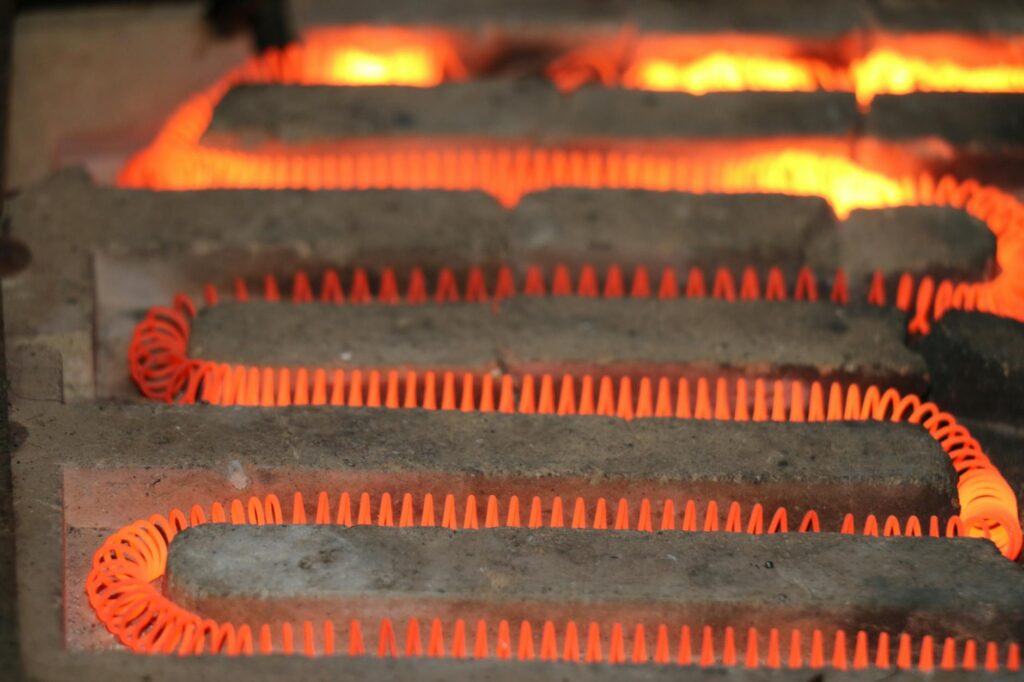
When sizing a heating system for your home, you’re making a decision that affects comfort, energy costs, and long-term value. Radiant heating and forced air are fundamentally different approaches—one warms surfaces and people directly, while the other circulates heated air through ducts. Understanding the differences helps you choose the right system for your specific needs and climate zone.
Understanding Radiant Heating vs Forced Air: Key Differences
Radiant heating systems warm your home by heating floors, walls, or ceiling panels, which then emit warmth that radiates outward. Forced air systems blow heated air through ductwork to distribute warmth throughout your home. This distinction affects how you calculate sizing requirements.
How Radiant Systems Work
Radiant systems circulate warm water through tubing installed beneath flooring or within wall panels. A boiler heats the water, and a pump distributes it throughout the system. The heated surfaces release warmth gradually and evenly. According to the U.S. Department of Energy, radiant heating systems can reduce energy consumption by up to 15% compared to forced air in properly sized installations because they eliminate ductwork losses and operate at lower water temperatures.
How Forced Air Systems Work
Forced air furnaces heat air to specific temperatures, typically between 130°F and 180°F, then distribute it via ducts and vents. The system cycles on and off based on thermostat settings. Forced air also handles cooling and air filtration in one system, making it versatile for homes that need both heating and cooling.
Sizing Implications
Radiant systems require careful BTU calculations because heat distribution occurs differently. A 40,000 BTU radiant system performs differently than a 40,000 BTU forced air furnace in the same space. Radiant systems typically operate at lower temperatures but deliver consistent warmth. Forced air systems need higher output to quickly raise air temperatures and overcome distribution losses through ductwork.
Radiant Heating vs Forced Air: Cost and Efficiency Comparison
Installation costs differ significantly between these systems, which directly impacts your sizing decision and budget allocation.
Installation Expenses
Radiant systems cost $8,000–$15,000 for a 2,000-square-foot home, including tubing, manifolds, and boiler installation. Forced air systems typically cost $4,000–$8,000 for the same space. However, radiant systems have lower operational costs because water-based heating is more efficient than air circulation. The Energy Information Administration reports that homes using radiant heating spend approximately 10–15% less on heating annually than comparable forced air homes in cold climates.
Long-Term Operational Costs
A forced air furnace with 92% AFUE (Annual Fuel Utilization Efficiency) converts 92 cents of every fuel dollar into heat. Radiant boilers typically achieve 85–95% AFUE but lose less energy during distribution. Over 20 years, a radiant system in a northern climate may save $6,000–$10,000 in heating costs despite higher upfront installation.
Maintenance and Longevity
Forced air systems require annual filter changes and occasional duct cleaning. Radiant systems need periodic maintenance but have fewer moving parts exposed to temperature swings. Both systems last 15–25 years with proper sizing and maintenance.
Radiant Heating vs Forced Air: Comfort and Control Factors
Comfort preferences often drive sizing decisions as much as technical specifications do.
Temperature Consistency
Radiant heating provides steady, even warmth because surfaces heat gradually and maintain consistent temperatures. Forced air creates temperature swings as the furnace cycles on and off. People in radiant homes often report feeling comfortable at 2–3 degrees lower than forced air homes, reducing energy consumption further.
Air Quality and Noise
Radiant systems don’t circulate air, so they eliminate forced air’s fan noise and dust circulation through ductwork. This benefits allergy sufferers and people sensitive to noise. Forced air systems provide active air filtration and circulation, which some homeowners prefer for air quality management.
Zoning Capabilities
Forced air systems divide easily into zones with dampers controlling airflow to different areas. Radiant systems require multiple boiler loops and zone valves, making zoning more expensive but very effective. If you want independent temperature control in multiple areas, forced air typically offers simpler, less costly implementation.
How to Use the Radiant Heating vs Forced Air Calculator
Choosing between systems requires calculating your home’s heating load accurately. Use our BTU heating calculator to determine your exact heating requirements based on square footage, climate zone, insulation levels, and window type. Input your home’s specifications, and the calculator shows the BTU output needed—information essential for sizing either system correctly.
Once you know your total heating demand, you can compare costs and efficiency for each system type. A 35,000 BTU radiant system and a 35,000 BTU forced air furnace meet the same heating load but differ in installation, operation, and comfort delivery.
FAQ: Radiant Heating vs Forced Air Sizing Questions
Can I convert from forced air to radiant heating in an existing home?
Yes, but it’s expensive. You’d need to remove flooring or walls to install tubing, install a boiler, and remove ductwork. This conversion typically costs $12,000–$25,000. Most homeowners choose radiant only during major renovations or new construction. For existing homes, upgrading your forced air furnace to a high-efficiency model is usually more practical.
Which system works better in cold climates?
Radiant heating performs exceptionally well in cold climates because it maintains consistent warmth and eliminates drafts from forced air. Minnesota and Maine homeowners report higher satisfaction with radiant systems in extreme cold. However, forced air with proper sizing and insulation performs adequately and offers better cooling integration if you need air conditioning.
Do I need air conditioning with radiant heating?
Not inherently. Radiant heating is independent of cooling. However, most homes need summer cooling, which radiant systems don’t provide. Some radiant homes add separate air conditioning units, but this increases total installation costs. Forced air handles heating and cooling in one system, reducing complexity and cost if you need both.
What if my home has uneven insulation?
Radiant systems compensate for uneven insulation better than forced air because they heat surfaces rather than air. A poorly insulated room in a radiant home requires modest adjustments. In forced air systems, poorly insulated areas struggle to maintain temperature, potentially requiring oversizing that wastes energy elsewhere. This is why accurate insulation assessment matters for sizing.
Which system is easier to repair?
Forced air furnaces have more accessible components and simpler repairs. Radiant systems require specialized technicians for tubing leaks or boiler issues. Factor service availability into your decision—rural areas may have limited radiant specialists, making forced air repairs more convenient despite higher operational costs.
Final Thoughts: Radiant heating and forced air each excel in different situations. Radiant heating wins on efficiency and comfort in new construction or major renovations, while forced air offers simplicity, affordability, and proven performance. Calculate your heating load accurately, consider your climate and renovation timeline, and consult local HVAC professionals who understand both technologies in your region.
- Kill A Watt Electric Usage Monitor — Helps homeowners measure energy consumption of heating systems to compare actual operating costs between radiant and forced air installations
- Digital Programmable Thermostat — Essential for optimizing either heating system type; allows users to control and schedule their radiant or forced air system efficiently
- Infrared Thermometer Gun — Useful tool for homeowners to measure surface temperatures in radiant heating systems or verify air temperature distribution in forced air systems
Related: Gas vs Electric Heating: Which is Right for Your Home?
SPONSORED
Estimating Software Built for HVAC Contractors
ArcSite lets you draw site plans, create estimates, and close jobs faster — all from your phone or tablet. Used by 100,000+ field service professionals.
Try ArcSite Free →Affiliate partner — we may earn a commission at no cost to you.
SPONSORED
Need HVAC Cleaning or Home Services?
Cleanster connects homeowners with vetted cleaning and home service professionals. Book online in minutes.
Book a Service →Affiliate partner — we may earn a commission at no cost to you.