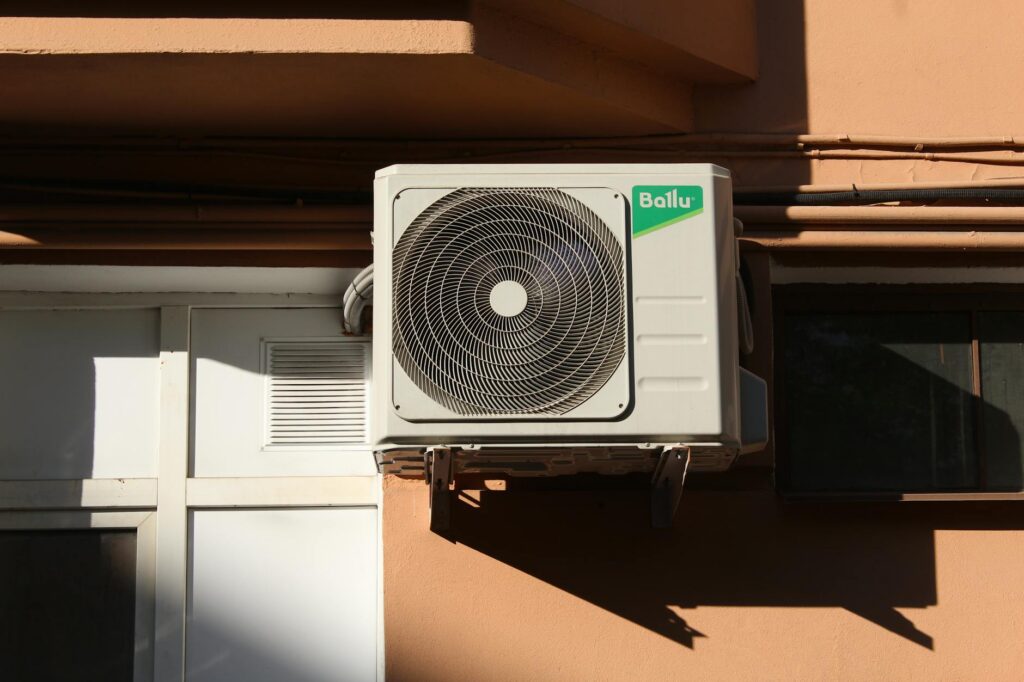
Your air conditioning condenser unit is the powerhouse behind your cooling system’s efficiency. A properly sized condenser directly impacts how much energy your system consumes, how quickly it cools your home, and how long the equipment lasts. When a condenser is undersized, your system works overtime; when it’s oversized, you waste money and cycle inefficiently.
Understanding Condenser Sizing and Efficiency
The condenser unit is the outdoor component of your air conditioning system responsible for releasing heat that your indoor air handler removes from your home. Sizing refers to the unit’s cooling capacity, measured in tons (12,000 BTU per ton).
Condenser size directly affects system efficiency in three critical ways:
- Energy consumption: A properly sized condenser reaches peak efficiency at moderate load conditions. According to the U.S. Department of Energy, oversized units cycle on and off too frequently, wasting 10-15% more energy than right-sized systems.
- Refrigerant flow: The condenser must match the evaporator coil’s capacity. Mismatched components create pressure imbalances that reduce efficiency by up to 20%.
- Runtime stability: Correctly sized condensers run for longer, steady cycles that allow the system to reach optimal operating temperature and humidity control.
A 3-ton condenser paired with a 3-ton indoor coil will always outperform mismatched combinations. This balance ensures refrigerant circulates at the right pressure and velocity for maximum heat exchange.
Common Sizing Mistakes and Efficiency Loss
Many homeowners and even some contractors make sizing decisions based on incomplete information. Understanding these mistakes helps you avoid costly efficiency losses.
Oversizing the Condenser
Oversizing is the most common error. A 4-ton condenser in a home needing only 3 tons cools the space quickly, but at a cost:
- Short-cycling: The unit reaches target temperature rapidly and shuts off, then restarts frequently. Each startup surge consumes extra energy.
- Poor dehumidification: Faster cooling means less air contact time with the evaporator coil, reducing moisture removal.
- Reduced lifespan: Frequent cycling stresses compressor components, cutting equipment life by 5-10 years.
Undersizing the Condenser
An undersized condenser struggles to match demand on hot days:
- Extended runtime: The system runs continuously without reaching setpoint temperature.
- Higher energy bills: Constant operation drives up electricity consumption significantly.
- Increased wear: Components experience sustained stress, accelerating failure.
Mismatched System Components
Your condenser must match your indoor coil capacity. A 3-ton condenser with a 2.5-ton coil creates a refrigerant mismatch that reduces efficiency by forcing the system to operate outside its design parameters. This is why replacing only the outdoor unit without updating indoor components often disappoints homeowners expecting better performance.
Factors That Determine Correct Condenser Size
Proper sizing requires evaluating your home’s specific cooling demands. Several factors influence the tonnage your system needs:
Square Footage and Layout
A general rule suggests 1 ton of cooling capacity per 400-600 square feet, but this is just a starting point. Open floor plans need less capacity than homes with many separate rooms and doors that restrict airflow.
Climate Zone and Sun Exposure
Homes in hot climates require larger condensers than those in moderate zones. West-facing homes with significant afternoon sun load also need higher capacity. A professional load calculation accounts for local summer temperatures, humidity, and seasonal solar gain through windows.
Insulation and Air Sealing
Well-insulated homes with sealed ducts and weatherstripping need smaller condensers because less cooled air escapes. Older homes with poor insulation require larger units. Attic temperature, basement conditions, and window quality all factor into accurate sizing.
Occupancy and Internal Heat Sources
Kitchen appliances, lighting, and number of occupants generate internal heat. Homes with large home offices or kitchens that run frequently need slightly larger capacity than similar-sized homes with lighter usage patterns.
How Right-Sizing Improves Efficiency Metrics
When your condenser matches your home’s actual load, your system operates at peak efficiency across several performance measures:
- SEER2 rating: Properly matched systems achieve their published Seasonal Energy Efficiency Ratio. An 18 SEER2 unit only delivers that efficiency when correctly sized and installed.
- Part-load efficiency: Most cooling happens at 50-75% capacity, not full load. Right-sized systems spend more time in this efficient range.
- Compressor lifespan: Balanced component sizing reduces compressor stress, extending life from 12-15 years to potentially 15-20 years.
- Humidity control: Proper runtime allows sufficient evaporator coil contact time to remove moisture effectively.
How to Use the Calculator
Determining your home’s exact cooling load removes guesswork from the sizing equation. Use our cooling load calculator to input your home’s specifications, climate zone, insulation values, and window placement. The tool provides a tonnage recommendation based on your specific circumstances, helping you understand what condenser size your home actually needs before consulting with contractors.
FAQ: Condenser Sizing and Efficiency
Can I replace just my outdoor condenser unit without changing my indoor coil?
Technically yes, but efficiency suffers significantly if capacities don’t match. Replacing the condenser alone often wastes the opportunity to improve system efficiency. If your indoor coil is more than 8-10 years old or significantly undersized, replacing both components together delivers the best efficiency gains and ensures proper refrigerant charge and airflow balance.
What SEER2 rating should I look for based on condenser size?
SEER2 ratings are independent of unit size. A 3-ton or 5-ton condenser can both achieve 18 SEER2 efficiency if properly matched with compatible indoor components, correctly installed, and sized appropriately for the home. Focus on matching the total system capacity to your load rather than chasing a high SEER2 number on an oversized unit.
How do I know if my current condenser is properly sized for my home?
The tonnage should match your indoor coil capacity—check both nameplates. If they match and your home maintains comfortable temperature on the hottest days without running constantly, your system is likely properly sized. If it runs all day without reaching setpoint or cycles on and off every few minutes, sizing mismatch is probable. A professional load calculation provides definitive guidance.
Related: condenser unit sizing efficiency
Related: radiant heating vs forced air systems
- Digital Refrigerant Scale — Essential tool for HVAC technicians to properly charge condenser units with correct refrigerant amounts, directly supporting the efficiency optimization topic
- HVAC System Ductless Mini-Split Unit — Modern alternative condenser system that offers superior efficiency; readers interested in condenser sizing may want to explore newer, more efficient unit options
- Thermal Imaging Camera for HVAC — Diagnostic tool that helps identify efficiency issues and improper condenser sizing by detecting temperature inconsistencies in cooling systems
Related: How to Clean Your AC Condenser Coils Step by Step
Related: How Attic Insulation Affects Your AC Efficiency
SPONSORED
Estimating Software Built for HVAC Contractors
ArcSite lets you draw site plans, create estimates, and close jobs faster — all from your phone or tablet. Used by 100,000+ field service professionals.
Try ArcSite Free →Affiliate partner — we may earn a commission at no cost to you.
SPONSORED
Need HVAC Cleaning or Home Services?
Cleanster connects homeowners with vetted cleaning and home service professionals. Book online in minutes.
Book a Service →Affiliate partner — we may earn a commission at no cost to you.