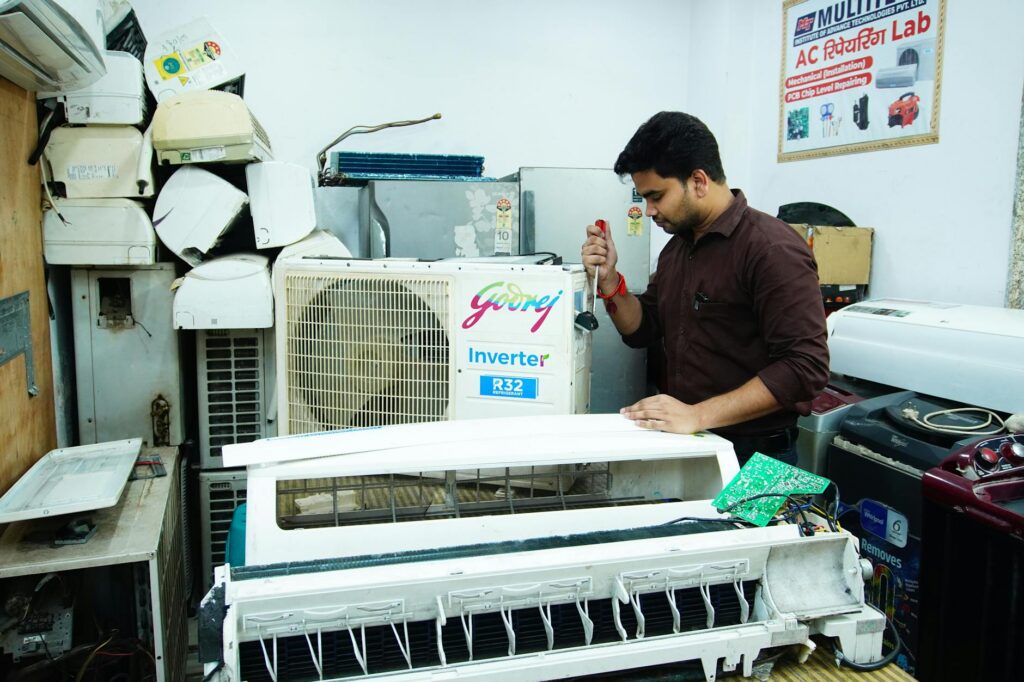
Your air conditioner should keep your home comfortable, but when it stops cooling effectively, the problem could stem from a dirty filter, low refrigerant, or a malfunctioning compressor. The good news is that many AC cooling failures are fixable with simple maintenance or professional service. I’ll walk you through the most common causes and solutions to get your system running again.
Common Reasons Your AC Isn’t Cooling Properly
When homeowners contact me about poor cooling performance, the issue usually falls into one of three categories: airflow problems, refrigerant issues, or mechanical failures. Understanding which category applies to your situation helps you decide whether to troubleshoot yourself or call a professional.
Restricted airflow is the leading culprit behind reduced cooling capacity. Your AC system moves conditioned air through ductwork and vents into your home. If that pathway is blocked—whether by a clogged filter, closed vents, or dirty coils—your system works harder but delivers less cool air. According to the U.S. Department of Energy, a dirty air filter can reduce system efficiency by 5-15%, meaning you’re paying more while getting less comfort.
Low refrigerant levels represent the second major problem. Refrigerant is the lifeblood of your cooling system; it absorbs heat from indoor air and releases it outside. If your system has a leak, refrigerant escapes, and your AC can’t cool effectively. This requires professional repair because refrigerant handling demands EPA certification and specialized equipment.
Mechanical failures—like a broken compressor, failed capacitor, or faulty fan motor—prevent your system from operating at all or at reduced capacity. These issues typically require replacement parts and professional diagnosis.
Step-by-Step Troubleshooting Guide
Step 1: Check Your Air Filter
This is your first stop because a clogged filter is free or cheap to fix. Locate your filter (usually in a return air vent, attic, or basement) and look at it against a light source. If you can’t see light through it, replace it. A standard 1-inch filter costs $5-15 and takes 60 seconds to swap. Change filters every 1-3 months depending on pets, allergies, and home dust levels.
Step 2: Verify Thermostat Settings
I’ve responded to service calls where the “broken AC” was actually set to heating mode or fan-only mode. Check that your thermostat is set to cooling mode and that the temperature setting is below your current room temperature. If your thermostat is programmable, verify the schedule isn’t overriding your manual adjustments. Replace batteries if your thermostat is wireless.
Step 3: Inspect Your Outdoor Unit
Walk outside and look at your condenser unit (the large box-shaped component). Leaves, grass clippings, dirt, and debris block airflow across the coils, forcing your system to work inefficiently. Clear any obstruction within 2 feet of the unit in all directions. Gently rinse the coils with a garden hose if they’re visibly dirty, but avoid high-pressure spray that can damage fins.
Step 4: Check Vents and Return Air Grilles
Walk through your home and verify that supply vents (where cool air comes out) aren’t blocked by furniture, curtains, or closed. Also check return air grilles—these pull warm air back to your system for cooling. Blocked returns prevent proper air circulation. If certain rooms are warmer than others, closed vents might be the culprit; open them fully to improve balance.
Step 5: Listen for Unusual Sounds
Turn your system on and listen near the indoor unit and outdoor condenser. Humming or buzzing sounds suggest electrical issues. Grinding, squealing, or banging noises indicate mechanical problems. Strange sounds mean you need professional service—don’t ignore them.
When to Call a Professional HVAC Technician
If you’ve completed the troubleshooting steps above and your AC still isn’t cooling, it’s time to call a licensed professional. You’ll need professional service for:
- Refrigerant leaks or recharge: Only EPA-certified technicians can legally handle refrigerant. If your system is low on refrigerant, a leak exists somewhere, and the tech will locate and repair it before recharging.
- Compressor failure: The compressor is your system’s most expensive component ($800-2,500+). A professional will diagnose whether repair or replacement makes financial sense based on your unit’s age.
- Electrical issues: Faulty capacitors, contactor problems, or wiring failures require professional diagnosis and repair for safety and code compliance.
- Frozen evaporator coils: If ice forms on your indoor coil, your system has an airflow or refrigerant problem. A tech can identify the root cause and fix it.
How to Use Our HVAC Sizing Calculator
If your AC is aging or undersized for your home, calculating your cooling capacity needs is essential. Our HVAC sizing calculator helps you determine the correct system capacity for your square footage, climate zone, insulation level, and number of windows. This prevents buying an undersized unit that can’t meet demand on hot days or an oversized system that cycles inefficiently. Input your home details and receive a recommended capacity range in BTU/hour—knowledge that makes any AC upgrade or replacement conversation with contractors much easier.
Frequently Asked Questions
Why is my AC running but not cooling?
If your system runs but delivers warm air, you likely have low refrigerant from a leak, a clogged air filter restricting airflow, or a failed compressor that can’t compress refrigerant properly. Start by replacing your filter and clearing outdoor unit obstructions. If the problem persists, contact a professional for refrigerant level testing.
How much does it cost to fix an AC that won’t cool?
Costs range from $0 (if it’s just a clogged filter) to $500+ for professional service calls, refrigerant recharges, or component replacement. A capacitor replacement typically runs $150-300. A compressor replacement can exceed $2,000. Always get a written estimate before authorizing work.
Can I prevent AC cooling problems?
Yes. Change air filters regularly, have your system professionally serviced annually (ideally before summer), keep your outdoor unit clear of debris, ensure all vents are open, and set your thermostat conservatively to reduce strain on the system. Regular maintenance catches small problems before they become expensive failures.
- Reusable HVAC Air Filter (16x25x1 or various sizes) — Dirty filters are the #1 cause of AC cooling problems mentioned in the post. Recommending quality replacement/reusable filters directly addresses the first fix readers will implement.
- Digital Refrigerant Scale & Charging Kit — Low refrigerant is cited as a major cooling issue. This tool helps DIY users diagnose and address refrigerant problems safely before calling professionals.
- HVAC System Maintenance Plan (Local Service) — The post emphasizes professional service options. Affiliate programs with Angi, HomeAdvisor, or local HVAC networks connect readers to professional maintenance and repair services.
Related: Why Your AC Isn’t Cooling and How to Fix It Fast
Related: AC Not Cooling? 7 Common Causes and Fixes
Related: Why Your AC Isn’t Cooling: Fixes & Solutions
Related: Why Is My AC Not Cooling? 9 Fixes to Try Now
SPONSORED
Estimating Software Built for HVAC Contractors
ArcSite lets you draw site plans, create estimates, and close jobs faster — all from your phone or tablet. Used by 100,000+ field service professionals.
Try ArcSite Free →Affiliate partner — we may earn a commission at no cost to you.
SPONSORED
Need HVAC Cleaning or Home Services?
Cleanster connects homeowners with vetted cleaning and home service professionals. Book online in minutes.
Book a Service →Affiliate partner — we may earn a commission at no cost to you.