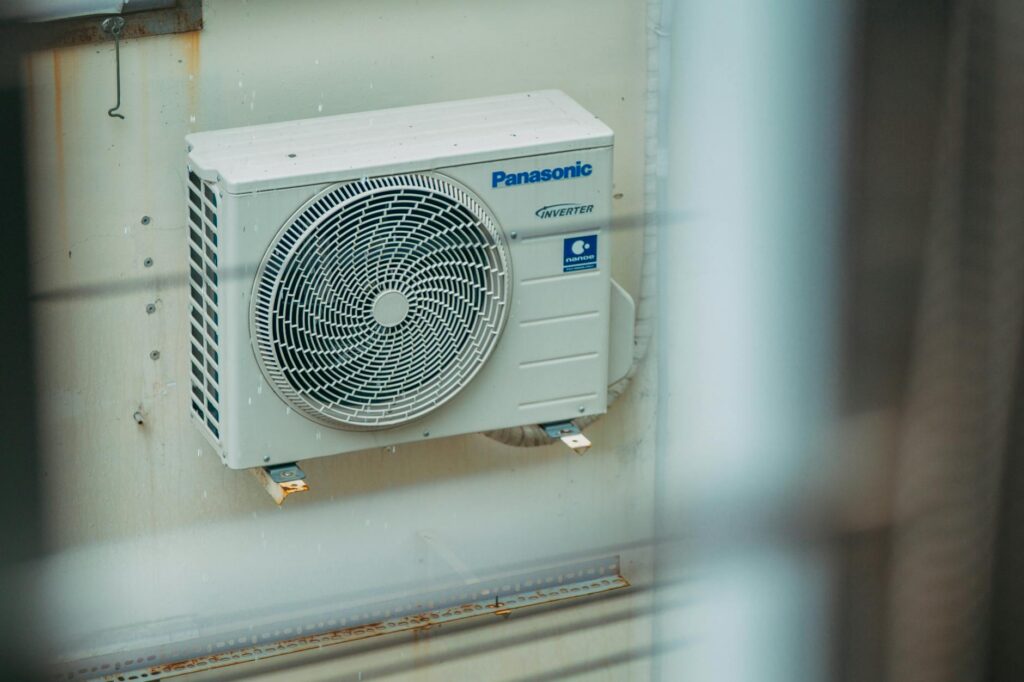
Central air conditioning installation costs typically range from $3,500 to $7,500 in 2026, depending on your home’s size, existing ductwork, and equipment efficiency ratings. Planning ahead and understanding these costs now gives you a competitive advantage before summer demand drives prices higher. Let’s break down what you’ll actually spend and how to budget wisely.
Average AC Installation Costs for 2026
The total cost of central AC installation breaks down into several key components. Your equipment represents 40–50% of the total expense, with modern SEER2-rated units (the new efficiency standard) ranging from $1,500 to $4,000. Installation labor typically accounts for 30–40% of costs, averaging $1,500 to $2,500 depending on your region and job complexity.
Additional expenses include ductwork modifications (if needed), thermostat upgrades, electrical work, and refrigerant charges. If your home already has functioning ductwork from an old system, you’ll save significantly—potentially $500 to $1,500. However, homes requiring new or extensively modified ducts may see costs rise to $8,000–$10,000.
Location matters considerably. Urban areas and regions with higher labor costs typically charge 15–25% more than rural areas. A 2-ton system in a metropolitan market might cost $5,200, while the same system in a smaller town could run $4,200. Seasonal timing also influences pricing: installations completed before June typically cost 10–15% less than those scheduled during peak summer demand.
Factors That Impact Your Final Price
Several variables determine whether your installation falls at the lower or higher end of the pricing spectrum. The size of your home is paramount—measured in tons of cooling capacity. A small 2-ton unit for a 800-square-foot space costs substantially less than a 5-ton system for a 3,500-square-foot home. Undersizing or oversizing your system wastes money and reduces efficiency.
Equipment quality and efficiency ratings significantly affect pricing. Budget-friendly units with lower SEER2 ratings (13–15) might save $500–$800 upfront but cost more to operate annually. Premium units with SEER2 ratings of 18–22 cost $300–$800 more initially but deliver energy savings of $200–$400 yearly—recovering their higher cost within 3–5 years.
Your existing infrastructure plays a crucial role. Homes with modern ductwork in good condition require minimal modifications. However, homes with outdated or damaged ducts, inadequate insulation, or sealed crawlspaces often need expensive upgrades. Poorly sealed ducts waste 20–30% of conditioned air, so addressing these issues upfront prevents long-term operating costs.
Electrical upgrades represent another variable cost. Older homes with 100-amp service panels may need upgrades to accommodate modern AC units, adding $500–$2,000. Similarly, if your home lacks a disconnect switch or proper electrical line sizing, your electrician will need to complete these installations.
How to Plan Your Budget and Beat Summer Pricing
Timing your installation is your first strategic advantage. AC contractors typically experience slower business from October through March, offering competitive pricing and faster scheduling. Installing in March or April guarantees you’re prepared before June demand spikes and ensures your system functions perfectly when summer heat arrives.
Get multiple quotes from licensed contractors in your area. Legitimate quotes include equipment specifications, labor costs itemized separately, warranty details, and financing options. Avoid unusually low bids—they often indicate corner-cutting on installation quality or inferior equipment. Three to five quotes help you identify fair market pricing and red flags.
Consider whether you need the highest-tier equipment. A SEER2 18 unit represents excellent value for most homeowners, balancing efficiency gains against upfront cost. Upgrading to SEER2 22 makes sense if you plan to stay in your home 10+ years or live in extremely hot climates. Conversely, if you’re selling within 3 years, mid-range efficiency offers better ROI.
Ask contractors about financing and rebates. Federal tax credits, utility rebates, and manufacturer incentives reduce net costs by $300–$2,000. Many contractors offer 0% financing for 12–24 months on qualifying systems. These programs reduce your immediate out-of-pocket expense while you enjoy energy savings that offset monthly payments.
How to Use the Calculator for Accurate Estimates
Our HVAC sizing calculator helps you determine your home’s exact cooling requirements before contacting contractors. Simply input your home’s square footage, climate zone, insulation level, and window orientation. The calculator instantly reveals your required system capacity in tons and provides ballpark installation cost ranges for your specific situation.
This calculator eliminates guesswork and arms you with accurate sizing information when speaking with contractors. When you present sizing data, you demonstrate knowledge and prevent overselling. You’ll recognize immediately if a contractor recommends an oversized system that would waste energy and money.
Frequently Asked Questions
What’s the warranty on a new central AC system?
Most AC units include a 5–10 year parts warranty from the manufacturer. Labor warranties from contractors typically span 1–2 years. Extended warranties available through contractors cost $200–$600 but extend coverage to 10 years total. Read warranty details carefully—some exclude refrigerant, electrical components, or compressors. Quality contractors stand behind their work with robust labor warranties because properly installed systems rarely fail.
Can I install a central AC system myself to save money?
Central AC installation requires EPA certification for handling refrigerants, specialized tools, electrical expertise, and ductwork knowledge. DIY installation voids manufacturer warranties, violates most local building codes, and creates safety hazards. Improper installation reduces efficiency by 20–40% and may require costly professional repairs. The $1,500–$2,500 you save on labor typically gets spent fixing problems. Let licensed professionals handle installation to protect your investment.
How long does central AC installation typically take?
A straightforward replacement in a home with existing ductwork usually takes 1–2 days. Complex jobs involving ductwork modifications, electrical upgrades, or new construction may require 3–5 days. Weather impacts timelines—extreme heat can slow work, while mild spring weather allows faster completion. Schedule installation for late spring to avoid summer weather complications and benefit from contractor availability.
Planning your central AC installation now positions you to avoid the rush, lock in better pricing, and ensure professional quality when summer arrives. Use available tools, gather multiple quotes, and understand your home’s specific needs to make a confident investment that keeps you cool and comfortable for years to come.
- Smart Thermostat (Nest or Ecobee) — Complements new AC installation by optimizing energy efficiency and reducing cooling costs, directly relevant to homeowners investing in central AC systems
- HVAC System UV Light Air Purifier — Pairs well with new AC installation to improve indoor air quality and system performance, appealing to homeowners already spending $3,500-7,500 on their HVAC
- Digital Programmable Thermostat — Essential accessory for newly installed central AC systems to maximize efficiency and control cooling schedules, addresses cost-conscious readers wanting to optimize their investment
Related: 5 Ways to Lower Your Central AC Installation Cost in 2026
Related: Complete Guide to Central AC Installation Cost Summer 2026: Beat the Rush
SPONSORED
Estimating Software Built for HVAC Contractors
ArcSite lets you draw site plans, create estimates, and close jobs faster — all from your phone or tablet. Used by 100,000+ field service professionals.
Try ArcSite Free →Affiliate partner — we may earn a commission at no cost to you.
SPONSORED
Need HVAC Cleaning or Home Services?
Cleanster connects homeowners with vetted cleaning and home service professionals. Book online in minutes.
Book a Service →Affiliate partner — we may earn a commission at no cost to you.