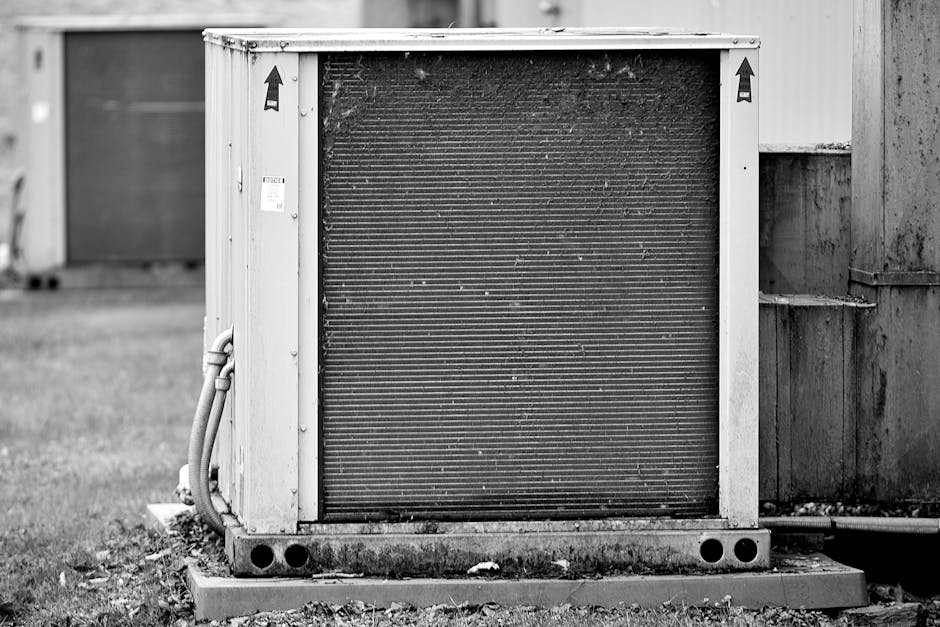
An undersized HVAC system cannot adequately heat or cool your home, leading to poor comfort, increased energy costs, and premature equipment failure. Proper sizing based on square footage, climate zone, and insulation prevents these costly problems and ensures efficient operation.
What Are Undersized HVAC Systems?
An undersized HVAC system is one that lacks sufficient capacity to condition all the air in your home to your desired temperature. HVAC sizing is measured in British Thermal Units (BTUs) or tons of cooling capacity. When your system’s output falls below what your home requires, it runs continuously trying to catch up—never quite reaching your thermostat setting.
Many homeowners make this mistake by choosing equipment based on price rather than proper load calculation. A unit that’s too small might seem like a budget-friendly choice initially, but the long-term costs tell a different story.
Consequences of Installing an Undersized HVAC System
What happens if your HVAC system is too small?
Several serious problems emerge when your HVAC unit is undersized. First, your home never reaches consistent temperatures. Bedrooms feel cold while the living room stays warm. You’ll experience temperature swings throughout the day that make it impossible to stay comfortable.
Increased Energy Bills: An undersized system works harder and longer to reach your setpoint. According to ENERGY.GOV, proper system sizing is essential for efficiency. Your compressor runs almost continuously, consuming significantly more electricity than a correctly sized unit would use.
Premature Equipment Failure: Constant operation without adequate rest cycles accelerates wear on internal components. Compressors designed for 15-20 years of typical use may fail within 5-10 years under continuous stress. Replacing an entire HVAC system costs $5,000-$15,000 depending on your region and system type.
Poor Indoor Air Quality: Undersized systems can’t adequately circulate and filter air throughout your home. Dust, allergens, and humidity accumulate in areas the system struggles to reach. This is particularly problematic for allergy and asthma sufferers.
Humidity Control Issues: In cooling season, your system needs adequate runtime to remove moisture from indoor air. When undersized, it cycles too frequently and doesn’t run long enough to dehumidify effectively. This creates a clammy feeling despite your thermostat reading.
Warranty Complications: Many manufacturers void warranties if systems are improperly sized for the application. You could face unexpected repair costs without coverage.
Can you put a smaller HVAC system in a house?
Technically, you can install an undersized unit—contractors will do it if asked. But you shouldn’t. Building codes and manufacturer guidelines exist for good reasons. Your HVAC system is sized based on your home’s heating load and cooling load, which accounts for factors like:
- Total square footage
- Climate zone
- Insulation quality
- Window quality and orientation
- Air sealing
- Local outdoor temperature extremes
Ignoring these factors leads to the consequences listed above. A proper load calculation determines your actual needs—attempting to save money by going smaller simply shifts costs to energy bills and equipment replacement.
How to Calculate Your Correct HVAC Size
Professional HVAC contractors use Manual J load calculations—the industry standard recognized by the Air Conditioning Contractors of America (ACCA). This methodology accounts for every factor affecting your home’s heating and cooling demands.
The calculation process examines:
- Heat Gain/Loss: How quickly your home gains heat in summer and loses it in winter based on insulation and air leakage
- Solar Exposure: How much direct sunlight enters through windows
- Occupancy: Number of people and appliances generating internal heat
- Outdoor Design Conditions: The most extreme temperatures your area experiences
Results determine your required BTU output for cooling and heating separately, since these needs differ significantly. A home might need 48,000 BTUs for cooling but only 32,000 for heating, or vice versa depending on your climate.
You can estimate your needs using our HVAC sizing calculator for a quick reference, but professional load calculations are essential before purchasing equipment.
How to Avoid Undersized HVAC Systems
Prevention starts with choosing the right contractor and demanding proper sizing. Here’s how to protect yourself:
Request a Manual J Calculation: Don’t accept rough estimates or rules of thumb. Ask for a detailed written load calculation before any bid is presented. Reputable contractors provide this at no charge.
Get Multiple Bids: Compare recommendations from at least three contractors. If one quotes significantly smaller capacity than others, ask why. Legitimate differences exist, but extreme outliers are red flags.
Understand the Specs: Know your home’s cooling and heating capacity needs in tons or BTUs. Write these requirements into any contract. This prevents substitutions with undersized units.
Check Energy Efficiency Ratings: Properly sized systems run more efficiently. Look for SEER2 ratings above 15 for cooling and AFUE above 95% for heating. Undersized units may show high ratings under ideal conditions but underperform in real-world use.
Invest in Efficiency Upgrades: Improving insulation, sealing air leaks, and upgrading windows reduces your HVAC load. This can sometimes justify a unit one size smaller while still meeting needs—with contractor calculations backing this decision.
Signs Your HVAC System Is Too Small
Already installed an undersized system? Watch for these warning signs:
- System runs continuously during summer or winter
- Home temperature varies by more than 2-3°F in different rooms
- Energy bills increased significantly after installation
- System can’t reach your thermostat setting on extreme weather days
- Humidity remains high even during cooling season
- Short cycling (frequent on/off cycling)
- Ice buildup on outdoor unit during cooling season
If you notice these issues, contact your contractor immediately. Many warranties cover oversights during the first year after installation.
How to Use the Calculator
Our cooling load calculator provides a starting point for understanding your needs. Input your square footage, climate zone, and basic insulation information. The tool estimates your cooling requirements, which you can use to compare contractor recommendations.
For heating, check our heating load calculator using the same approach. Remember these estimates are approximations—professional calculations provide the precision needed for actual equipment selection.
Frequently Asked Questions
What’s the cost difference between properly sized and undersized HVAC systems?
Properly sized systems may cost $200-$500 more upfront, but recover this investment through lower energy bills within 2-3 years. Over a system’s 15-20 year lifespan, proper sizing saves $3,000-$8,000 in energy costs while avoiding premature replacement and repair expenses.
Related: consequences of undersized systems
Related: two-stage cooling systems
Will an undersized system eventually heat or cool my home
Recommended Resources:- Killian Smart Thermostat with Energy Monitoring — Helps homeowners monitor and manage energy costs caused by undersized systems, providing real-time feedback on heating/cooling efficiency
- Window & Door Weatherstripping Insulation Tape — Improves home insulation to compensate for inadequate HVAC performance, reducing energy waste and improving comfort in undersized systems
- Thermal Imaging Camera (FLIR or equivalent) — Allows homeowners to identify temperature distribution problems and insulation issues that result from undersized HVAC systems
- Killian Smart Thermostat with Energy Monitoring — Helps homeowners monitor and manage energy costs caused by undersized systems, providing real-time feedback on heating/cooling efficiency
- Window & Door Weatherstripping Insulation Tape — Improves home insulation to compensate for inadequate HVAC performance, reducing energy waste and improving comfort in undersized systems
- Thermal Imaging Camera (FLIR or equivalent) — Allows homeowners to identify temperature distribution problems and insulation issues that result from undersized HVAC systems
Related: HVAC Zoning Systems: Are They Worth It?
SPONSORED
Estimating Software Built for HVAC Contractors
ArcSite lets you draw site plans, create estimates, and close jobs faster — all from your phone or tablet. Used by 100,000+ field service professionals.
Try ArcSite Free →Affiliate partner — we may earn a commission at no cost to you.
SPONSORED
Need HVAC Cleaning or Home Services?
Cleanster connects homeowners with vetted cleaning and home service professionals. Book online in minutes.
Book a Service →Affiliate partner — we may earn a commission at no cost to you.