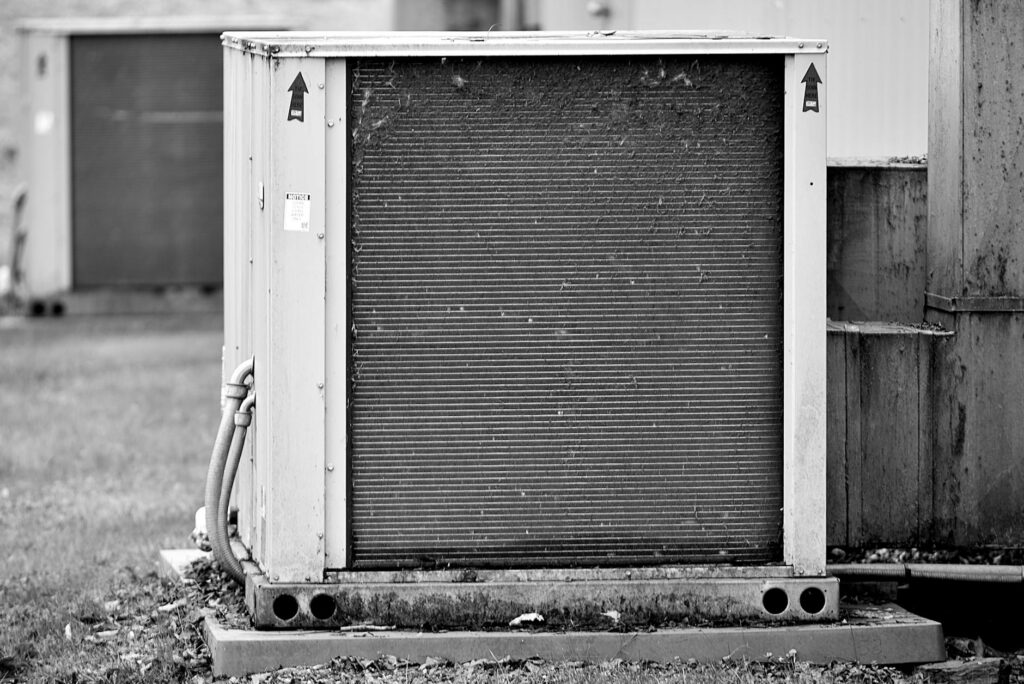
If you’re planning to install or replace an air conditioning or heating system, understanding HVAC sizing is one of the most critical decisions you’ll make. The wrong size system costs thousands of dollars more in energy bills, suffers premature breakdowns, and fails to keep your home comfortable. With search interest in HVAC sizing surging 118% this week, more homeowners are finally asking the right questions before making this major investment.
HVAC sizing isn’t about guessing based on your home’s square footage. It’s a precise calculation that considers your climate zone, insulation quality, window count and orientation, ductwork efficiency, and occupancy patterns. A system that’s too large will cycle on and off excessively, wasting energy and wearing out components faster. A system that’s too small will run continuously without reaching your desired temperature, especially during peak summer or winter days.
This guide walks you through everything you need to know about proper HVAC sizing, why it matters, and how to avoid the costly mistakes that affect 30% of residential HVAC installations.
What Is HVAC Sizing and Why Does It Matter?
HVAC sizing refers to calculating the heating and cooling capacity your home actually needs, measured in British Thermal Units per hour (BTU/h). The goal is to match your system’s capacity as closely as possible to your home’s demand—not to pick the biggest unit available.
The industry standard for sizing is the Manual J calculation, a detailed methodology developed by the Air Conditioning Contractors of America (ACCA). Manual J accounts for roughly 60 different variables including square footage, ceiling height, wall construction, window type, local climate data, internal heat generation, and ventilation requirements. Professional HVAC contractors use specialized software to run these calculations.
When your system is properly sized, you’ll experience 15–25% lower energy costs compared to an oversized system, longer equipment lifespan (typically 15–20 years instead of 10–12), and more consistent indoor comfort. Studies show that undersized systems cost homeowners an average of $1,200 annually in extra energy consumption and repair calls, while oversized systems cost $800–$1,500 annually just in wasted energy.
Common HVAC Sizing Mistakes That Cost Homeowners Money
The biggest mistake homeowners make is relying on the “1 ton per 500 square feet” rule of thumb. This outdated approximation ignores your specific home’s thermal characteristics and often leads to oversizing by 30–50%. An oversized 5-ton system in a home that truly needs 3.5 tons might cost $2,000–$3,500 more initially and waste hundreds annually in energy.
Another common error is letting HVAC contractors upsell you to a larger capacity because “you’ll want extra cooling on the hottest days.” The truth is that a properly sized system reaches your set temperature on design days (the 1% hottest day of the year in your region). On regular summer days, your oversized system short-cycles and never achieves full efficiency.
Homeowners also frequently ignore the interconnected nature of HVAC components. Your furnace capacity, air conditioning capacity, and ductwork must all be properly matched. Installing a high-efficiency 4-ton AC unit with undersized ducts or a mismatched furnace defeats the purpose. A complete Manual J calculation accounts for all these factors together.
How Professional HVAC Sizing Is Calculated
A proper HVAC sizing assessment takes 2–4 hours and involves on-site measurements and detailed analysis. Here’s what a professional contractor evaluates:
Building envelope characteristics: Square footage, ceiling heights, wall insulation R-values, attic insulation levels, basement conditions, and crawl space details all affect heat transfer rates. A well-insulated home with new windows needs significantly less capacity than a home with 40-year-old insulation.
Window and door analysis: The contractor counts every window and door, notes orientation (north-facing windows lose heat differently than south-facing ones), and evaluates solar heat gain. A home with extensive south-facing glass in Arizona needs much higher cooling capacity than an identical home in Seattle.
Internal loads: People, appliances, and lighting generate heat. A home office with three people and multiple computers generates more internal heat than a bedroom.
Local climate data: Design temperatures for your specific location determine the worst-case scenario your system must handle. Miami’s cooling design day differs dramatically from Denver’s.
The result is a capacity recommendation in tons (1 ton equals 12,000 BTU/h). Most residential homes need 2–5 tons for cooling and equivalent heating capacity, though this varies significantly by region and home characteristics.
HVAC Sizing Cost Implications and Energy Savings
Undersized and oversized systems both carry financial penalties. An undersized 3-ton system for a home needing 4 tons might cost $4,500–$6,000 installed but will struggle on design days, running 16–18 hours daily at peak conditions and costing $200–$400 monthly during summer. Over 15 years, this adds $36,000–$72,000 in excess energy costs.
An oversized 5-ton system for the same home costs $6,500–$8,500 installed—a premium of $2,000–$2,500 upfront—plus $100–$200 monthly in wasted energy from short-cycling and poor efficiency, totaling $18,000–$36,000 over 15 years.
A properly sized 4-ton system costs $5,500–$7,000 and operates efficiently at design conditions while minimizing energy waste. Over 15 years, the fuel savings and avoided repairs easily justify the few extra hours spent on proper sizing.
HVAC Sizing Standards and Certifications
Professional HVAC sizing follows industry standards established by ACCA (Air Conditioning Contractors of America) and ASHRAE (American Society of Heating, Refrigerating and Air-Conditioning Engineers). These organizations maintain strict methodologies to ensure consistent, accurate sizing across the industry.
The Manual J standard specifically requires contractors to document load calculations, list all assumptions, and provide written justification for capacity recommendations. Many states and municipalities now require Manual J calculations for new construction or major HVAC replacements, recognizing that proper sizing reduces energy consumption at the community level.
When interviewing HVAC contractors, always ask if they perform Manual J calculations. Any contractor offering sizing estimates over the phone or based solely on square footage isn’t following best practices and should be disqualified.
Use Our Free HVAC Sizing Calculator
While professional Manual J calculations provide the most accurate sizing, understanding the fundamentals helps you make informed decisions during contractor consultations. That’s where hvacsizecalc.com comes in. Our free HVAC sizing calculator gives you an initial capacity estimate in minutes, showing you the BTU/h range your home likely needs, estimated monthly energy costs for different system sizes, and year-over-year energy savings comparisons.
The calculator delivers concrete numbers—not vague recommendations. You’ll see that upgrading from an oversized 5-ton system to a properly sized 3.5-ton system might save $120–$180 monthly on cooling costs. It also shows how insulation improvements or window upgrades affect your sizing needs, helping you prioritize renovations. Given the 118% surge in HVAC sizing search interest, now is the perfect time to understand what capacity your home actually needs before contacting contractors. Visit our free HVAC sizing calculator to explore your options and arm yourself with data.
Frequently Asked Questions
What size HVAC system do I need for a 2,000 square foot home?
There’s no universal answer—it depends on insulation, climate, window count, and other factors. A 2,000 sq ft home in Miami might need 4–5 tons of cooling, while an identical home in Portland might need only 3 tons. Always base sizing decisions on a Manual J calculation, not square footage rules of thumb.
Can I install a larger HVAC system if I want extra capacity?
No—oversizing causes short-cycling, poor humidity control, and wasted energy. A system that’s 10–15% larger than needed will still cycle on and off frequently, never reaching peak efficiency. The system reaches your set temperature faster than necessary, shuts down, and restarts, consuming more energy overall.
How much does a proper HVAC sizing assessment cost?
Professional Manual J load calculations typically cost $200–$500 as a standalone service, though many HVAC contractors include this service free when you accept their installation bid. The investment pays for itself in energy savings within 1–2 years.
What’s the difference between tons and BTU in HVAC sizing?
One ton of cooling capacity equals 12,000 BTU per hour. A 3-ton system provides 36,000 BTU/h of cooling. Contractors use both terms interchangeably, but tonnage is more common for residential systems, while commercial systems often reference BTU/h directly.
Should I replace my current system with the same size if it works fine?
Not necessarily. If your current system is oversized, replacing it with the same capacity wastes an opportunity to reduce energy costs. A proper sizing assessment might reveal your home actually needs 20–30% less capacity, justifying a smaller, more efficient replacement unit.
Conclusion
HVAC sizing is a science, not an art. The difference between a properly sized system and one chosen by guesswork reaches thousands of dollars over the system’s lifetime. With interest in HVAC sizing at an all-time high, homeowners are finally recognizing how critical this decision is.
Before accepting any HVAC contractor’s recommendation, insist on a detailed Manual J load calculation that documents all assumptions. Compare multiple contractor estimates, verify that ductwork and other components are
- Kill A Watt Electricity Usage Monitor — Helps homeowners measure actual energy consumption of HVAC systems to understand efficiency and sizing impact on bills
- Digital Thermometer with Hygrometer — Essential tool for monitoring temperature and humidity levels to assess whether HVAC system sizing is adequate for home comfort
- HVAC System Maintenance Kit — Complements properly sized HVAC systems with regular maintenance supplies to prevent premature breakdowns mentioned in the guide
Related: HVAC Tonnage Calculator: Complete Guide to Sizing Your System Right
Related: Complete Guide to HVAC Load Calculation: Why It Matters and How to Get It Right
Related: The Complete Guide to HVAC Sizing: Get the Right Capacity for Your Home
Related: New HVAC System Cost 2025: Complete Pricing Guide
SPONSORED
Estimating Software Built for HVAC Contractors
ArcSite lets you draw site plans, create estimates, and close jobs faster — all from your phone or tablet. Used by 100,000+ field service professionals.
Try ArcSite Free →Affiliate partner — we may earn a commission at no cost to you.
SPONSORED
Need HVAC Cleaning or Home Services?
Cleanster connects homeowners with vetted cleaning and home service professionals. Book online in minutes.
Book a Service →Affiliate partner — we may earn a commission at no cost to you.