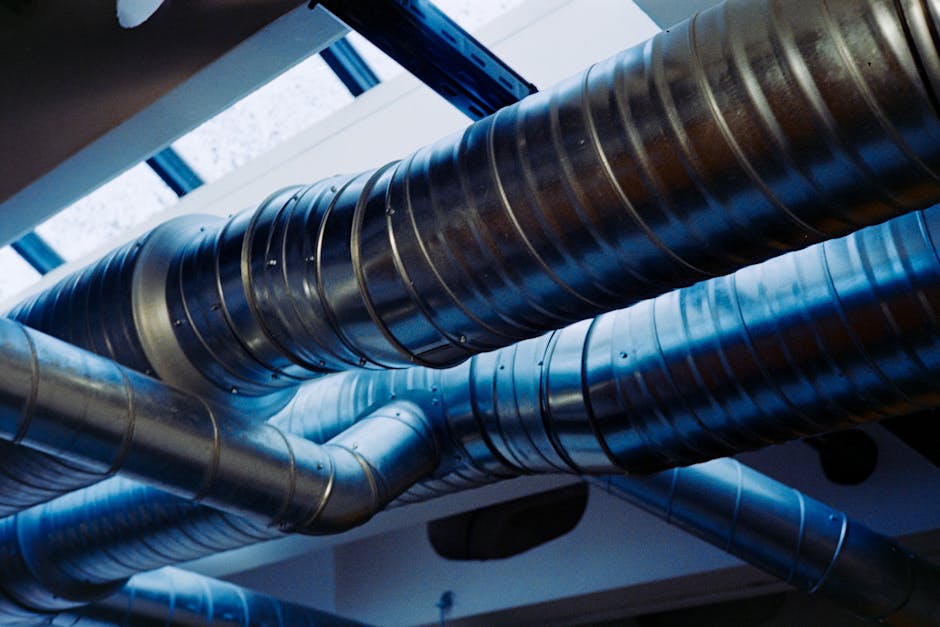
Heat recovery ventilation (HRV) is an HVAC system that exchanges stale indoor air with fresh outdoor air while capturing 60-95% of heating or cooling energy. Proper HVAC sizing ensures optimal fresh air delivery and maximum energy efficiency for residential and commercial applications.
What is Heat Recovery Ventilation and How It Works
Heat recovery ventilation represents a major advancement in residential HVAC technology. Unlike traditional exhaust-only systems, HRV units simultaneously remove stale indoor air and introduce filtered fresh air. The core component—a heat exchanger—transfers thermal energy between outgoing and incoming air streams, reducing the workload on your heating and cooling systems.
The system operates through separate ductwork that keeps indoor and outdoor air streams isolated while allowing energy transfer. During winter, warm exhaust air heats incoming cold air. In summer, cool indoor air pre-cools incoming warm air. This process maintains your home’s thermal comfort while improving indoor air quality through balanced ventilation.
Energy Recovery Ventilation (ERV) systems work similarly but also transfer moisture between air streams, making them ideal for humid climates. Both HRV and ERV systems require careful HVAC sizing for proper fresh air delivery.
HVAC Sizing Requirements for HRV Systems
Undersized HRV systems fail to deliver adequate fresh air, while oversized units waste energy and increase installation costs. The sizing process depends on three critical factors: home square footage, air changes per hour (ACH), and local climate conditions.
Most residential applications require 0.35 to 0.5 air changes per hour for adequate indoor air quality. A 2,000-square-foot home typically needs an HRV unit rated between 100-150 cubic feet per minute (CFM). Commercial buildings may require higher CFM ratings based on occupancy density and building codes.
Heat recovery ventilation HVAC sizing also considers ductwork efficiency, filter resistance, and outdoor air temperature extremes. Oversized systems cycle on and off frequently, reducing efficiency gains. Professional load calculations account for your home’s air tightness, insulation levels, and climate zone to determine the optimal unit capacity.
How do you size an HRV system for your home?
Start by calculating your home’s volume in cubic feet (length × width × height). Multiply this by your desired air changes per hour—typically 0.35 to 0.5 ACH for most homes. Divide by 60 to convert to CFM.
Example: A 2,000-square-foot home with 8-foot ceilings equals 16,000 cubic feet. At 0.4 ACH: (16,000 × 0.4) ÷ 60 = 107 CFM. Use our fresh air ventilation calculator to determine your specific requirements based on home characteristics and climate zone.
Energy Efficiency Benefits and Cost Savings
Properly sized HRV systems recover substantial thermal energy that would otherwise escape through standard ventilation. According to Energy.gov research on residential heating and cooling efficiency, heat recovery systems can reduce HVAC energy consumption by 15-30% while maintaining superior indoor air quality.
The average homeowner saves $300-$800 annually on heating and cooling costs with HRV installation, depending on climate severity and system efficiency ratings. Units with Sensible Heat Recovery Efficiency (SHRE) ratings above 75% maximize energy savings. Over a 20-year system lifespan, these savings often exceed initial installation costs.
Fresh air ventilation improves respiratory health and reduces indoor pollutants, mold, and moisture problems. These co-benefits reduce medical expenses and extend HVAC system life by decreasing strain on traditional cooling equipment.
What is the difference between HRV and ERV systems?
HRV systems transfer sensible heat (temperature) between air streams, while ERV systems transfer both sensible heat and latent heat (moisture). In humid climates like the Southeast, ERV systems prevent moisture from entering your home during cooling season. In dry climates, HRV units provide superior efficiency without unnecessary humidity transfer.
ERV systems cost 10-15% more than comparable HRV units but deliver better performance in high-humidity regions. For balanced ventilation sizing, choose based on your climate’s average humidity levels and your home’s moisture management needs.
HRV vs. Traditional Ventilation Systems
Traditional exhaust-only ventilation removes indoor air but allows outdoor air infiltration through uncontrolled gaps and leaks. This creates drafts, inconsistent temperature zones, and energy waste. Balanced HRV ventilation controls air flow precisely and recovers thermal energy.
Compared to natural ventilation through open windows, HRV systems deliver continuous fresh air without losing conditioned air. Building codes increasingly require balanced ventilation in tight, energy-efficient homes where natural air leakage is insufficient for adequate fresh air supply.
The cost premium for HRV installation is typically $1,500-$3,500, but energy savings and health benefits justify the investment for most homeowners in cold or hot climates.
How to Calculate Fresh Air Requirements
Fresh air requirements depend on occupancy and indoor contaminant sources. Bedrooms need minimum ventilation rates to remove CO2 and moisture from sleeping occupants. Living areas require additional ventilation based on cooking activities, pet odors, and chemical off-gassing from furnishings.
Building standards typically specify 15 CFM per person plus 0.06 CFM per square foot of conditioned space. For a 4-person household in a 2,000-square-foot home: (4 × 15) + (2,000 × 0.06) = 60 + 120 = 180 CFM minimum fresh air requirement.
Load calculations for HVAC energy recovery account for these ventilation minimums while factoring in heat loss/gain associated with fresh air introduction. Proper sizing ensures fresh air delivery meets or slightly exceeds code minimums without oversizing the heat recovery equipment.
Installation Considerations and Best Practices
Professional HRV installation requires careful ductwork design to minimize air leakage and resistance. Insulated ducts prevent condensation in attics or crawlspaces. Supply and exhaust ductwork must be sealed and separated to prevent cross-contamination.
Filter maintenance is critical—clogged filters reduce CFM delivery and increase fan energy consumption. Most HRV systems require filter changes every 6-12 months, depending on indoor air quality and outdoor pollution levels.
Heat recovery ventilation HVAC sizing should include adequate ductwork diameter to keep velocity below 800 feet per minute, reducing noise and improving efficiency. Placement of supply registers away from exhaust grilles prevents short-circuiting.
How to Use the Calculator
Our balanced ventilation sizing calculator automates fresh air requirement calculations based on your home’s square footage, number of occupants, and climate zone. Input your home characteristics and receive recommended CFM ranges and unit size suggestions in seconds.
The calculator accounts for infiltration credits, ductwork efficiency factors, and climate-specific adjustments to ensure your HRV system provides optimal performance. Results include estimated energy savings and annual cost comparisons against traditional ventilation methods.
Related: heat recovery ventilation sizing guide
Related: AC sizing for desert homes
Related: best time to buy HVAC system
Related: ceiling cassette heat pump sizing
Frequently Asked Questions
Is heat recovery ventilation worth the cost?
Yes, for most homeowners in cold or hot climates
- Heat Recovery Ventilation Unit (HRV System) — Directly addresses the core product discussed in the post; readers seeking HRV systems for implementation would benefit from purchasing options
- HVAC System Ductwork and Accessories — Essential complementary products for proper HRV installation and sizing; buyers planning HRV systems need quality ducting materials
- Digital HVAC Psychrometric Calculator/Gauge — Supports the ‘sizing’ focus of the post; professionals and DIY enthusiasts need measuring tools to calculate proper system capacity
Related: 7 Essential Steps to Balance Airflow Between Rooms in 2026
Related: 5 Essential Ways to Size HVAC Systems with Demand-Controlled Ventilation in 2026
Related: Cold Climate HVAC Sizing: 5 Essential Considerations for Extreme Winters in 2026
SPONSORED
Estimating Software Built for HVAC Contractors
ArcSite lets you draw site plans, create estimates, and close jobs faster — all from your phone or tablet. Used by 100,000+ field service professionals.
Try ArcSite Free →Affiliate partner — we may earn a commission at no cost to you.
SPONSORED
Need HVAC Cleaning or Home Services?
Cleanster connects homeowners with vetted cleaning and home service professionals. Book online in minutes.
Book a Service →Affiliate partner — we may earn a commission at no cost to you.