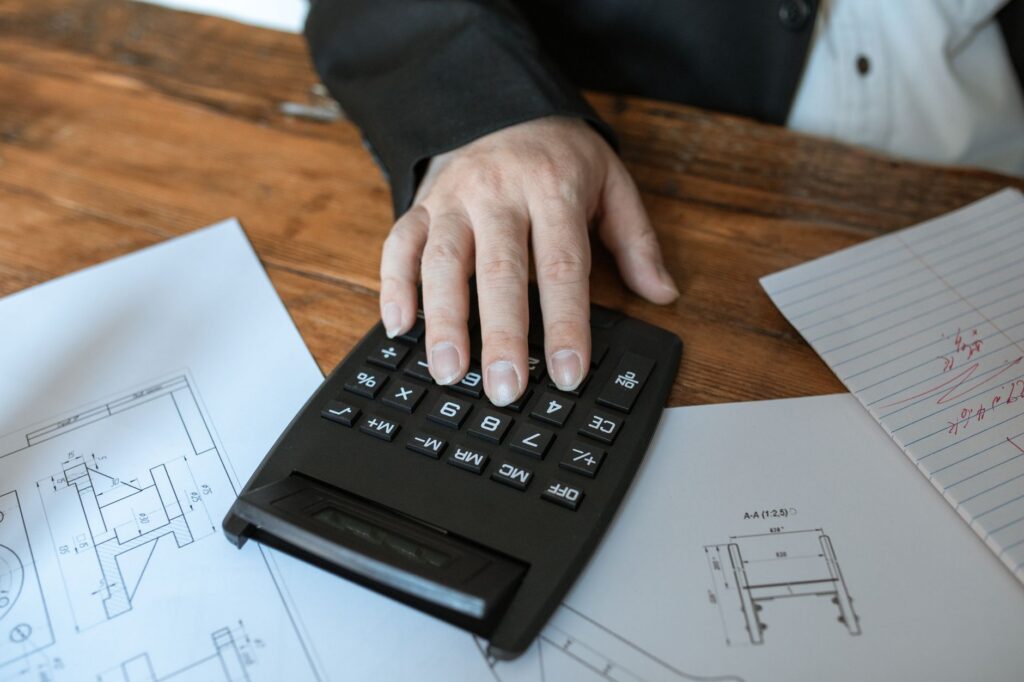
When it comes to heating and cooling your home, getting the right system size is everything. An undersized unit will struggle to maintain comfort during extreme weather, while an oversized system wastes energy and money. This is where a BTU calculator becomes invaluable. Understanding how to calculate BTU requirements and use a calculator properly can save you thousands of dollars and ensure your home stays comfortable year-round.
BTU stands for British Thermal Unit, a measurement of heat energy. One BTU is the amount of energy needed to raise the temperature of one pound of water by one degree Fahrenheit. For HVAC systems, BTUs per hour (BTU/h) determine how much heating or cooling capacity your system needs. A proper BTU calculation takes into account multiple factors specific to your home, and using the right calculator eliminates guesswork from the sizing process.
What Is a BTU Calculator and Why You Need One
A BTU calculator is a tool designed to determine the correct heating and cooling capacity required for your home based on specific measurements and conditions. Rather than relying on rough estimates or outdated rules of thumb, a calculator accounts for the actual characteristics of your space.
Professional HVAC contractors use complex load calculations to size systems, but homeowners can access simplified versions through online calculators. These tools help you understand what size unit you actually need before contacting contractors for quotes. This knowledge puts you in a stronger negotiating position and helps you avoid being sold an oversized or undersized system.
The cost difference between proper sizing and poor sizing is substantial. An improperly sized system can cost 15 to 25 percent more to operate annually. Over a system’s 15 to 20-year lifespan, this translates to thousands of dollars in wasted energy costs. Additionally, incorrect sizing affects your comfort, equipment lifespan, and indoor air quality.
Key Factors a BTU Calculator Considers
A comprehensive BTU calculator evaluates multiple variables to produce an accurate recommendation. Understanding these factors helps you use the calculator more effectively and interpret its results.
Square Footage: The total area you need to heat or cool is the starting point. Most calculators ask for your home’s total conditioned square footage or break it down by room. A general rule suggests 20 to 25 BTUs per square foot for cooling in moderate climates, but this varies significantly based on other factors.
Climate Zone: Your geographic location dramatically affects BTU needs. Homes in hot, humid climates like Florida require significantly more cooling capacity than homes in mild climates like California. Similarly, homes in cold climates like Minnesota need substantially more heating capacity than those in temperate regions. A quality calculator adjusts multipliers based on your specific climate zone.
Insulation Quality: A well-insulated home requires fewer BTUs than a poorly insulated one. Homes with modern insulation standards need less capacity because less conditioned air escapes. Homes with minimal or degraded insulation require larger systems to compensate for heat loss or gain through walls, attics, and basements.
Window Area and Type: Single-pane windows transfer heat much faster than modern, efficient triple-pane windows. The total square footage of windows in your home affects heat gain in summer and heat loss in winter. West-facing windows in hot climates require particular attention because they receive intense afternoon sun.
Ceiling Height: Homes with vaulted or cathedral ceilings require more BTUs than standard eight-foot ceilings because there’s more cubic footage to condition. A calculator that accounts for ceiling height provides more accuracy than one that only considers square footage.
Number of Occupants: More people in a home generate additional heat, especially in summer. A calculator that factors in occupancy numbers reflects this reality. A household of six generates more internal heat than a household of two.
Sun Exposure: The direction your home faces affects heat gain. A home with primarily south and west-facing windows gains more heat in summer. Shade from trees, nearby buildings, or architectural features reduces the solar load that your cooling system must handle.
How to Use a BTU Calculator Effectively
Using a BTU calculator correctly ensures you get accurate results. Start by measuring your home’s square footage carefully. If your home has multiple stories or complex layouts, consider calculating different zones separately if the calculator allows it.
Gather information about your current heating and cooling system if you have one. Knowing your existing system’s capacity gives you a baseline for comparison. You can usually find this information on your equipment’s nameplate or in your owner’s manual.
Be honest about your home’s insulation condition. If you’ve never upgraded insulation and your home is 30+ years old, it likely falls into the “below average” category. Newer homes built to modern energy codes typically have “above average” insulation.
Enter your climate information accurately. Most calculators use ZIP codes or city names to determine your climate zone. This pulls heating degree days and cooling degree days specific to your location, which are crucial for accurate calculations.
Consider your comfort preferences. Some people prefer their homes at 72°F while others prefer 68°F. Your cooling system must handle the hottest outdoor temperatures while maintaining your desired indoor temperature, so be realistic about what setting you actually use.
Understanding BTU Calculator Results
Once you enter your information, a BTU calculator typically provides a recommended capacity range. Rather than a single number, you’ll usually see a range like 36,000 to 42,000 BTUs. This range accounts for uncertainty and allows flexibility in equipment selection.
The calculator may also break down cooling needs from different sources: heat from outside through walls and roof, heat from solar gain through windows, heat from internal sources like people and appliances, and latent heat from humidity. This breakdown helps you understand where your cooling load comes from and whether certain improvements might reduce your needs.
Some calculators provide estimated annual operating costs for systems of different sizes. This information helps you understand the financial impact of oversizing. A system that’s 20 percent oversized might cost an extra $150 to $300 annually in wasted energy, depending on your local electricity rates.
Translation to system models comes next. BTU capacity doesn’t directly equal model numbers, as different manufacturers rate equipment differently. However, your calculator results help you identify which equipment categories fit your needs.
Common BTU Calculator Mistakes to Avoid
One frequent error is rounding your measurements or using rough estimates for square footage. Measure carefully or obtain your home’s dimensions from your property tax records for accuracy. Every 100 square feet affects your calculation significantly.
Another mistake is not accounting for future additions or renovations. If you’re planning to add a sunroom or finish a basement, let the calculator know so your system can handle the expanded space.
Don’t assume all calculators are equal. Some online tools are oversimplified or sponsored by manufacturers trying to push certain equipment sizes. Use calculators from reputable HVAC information sources that don’t have financial incentives to bias results.
Avoid ignoring the calculator’s recommendations because you think you know better. Professional calculation methods exist for good reasons. Trust the data over assumptions or experiences with other homes, which may have completely different characteristics.
Frequently Asked Questions
What does a BTU calculator tell me that I can’t figure out myself?
A BTU calculator accounts for dozens of variables simultaneously—climate zone multipliers, insulation R-values, window efficiency ratings, solar orientation factors, and more. Manually calculating these would require engineering training and access to detailed climate data. The calculator does this instantly and accurately, providing recommendations that professional contractors would charge hundreds of dollars to develop.
Can I use a BTU calculator if I rent my home?
Renters can absolutely use a BTU calculator to understand whether their current system is appropriately sized, though they typically can’t replace the system themselves. If your rental consistently feels too warm or too cold, calculator results help you document the issue when requesting landlord repairs. The calculations are the same regardless of ownership.
How often should I recalculate my home’s BTU needs?
You should recalculate if you make significant changes like adding insulation, replacing windows, enlarging your home, or moving to a different climate. For most homeowners, calculating once during the initial equipment selection is sufficient. Recalculation makes sense every 10 to 15 years if you’re considering system replacement.
Is a BTU calculator accurate enough for purchasing an HVAC system?
Calculator results are definitely accurate enough to guide your purchasing decision and compare quotes. However, professional contractors perform more detailed load calculations when installing new systems. Use the calculator to establish what range you need, then have contractors confirm their sizing using their professional methods.
What’s the difference between heating BTUs and cooling BTUs?
While measured in the same units, heating and cooling requirements often differ for the same home. Cooling capacity depends heavily on solar gain and internal heat sources, while heating capacity depends on outdoor temperature differences and insulation. A calculator addresses both separately, sometimes producing different results for each.
Use Our Free HVAC Sizing Calculator
Now that you understand how BTU calculators work and why they matter, it’s time to calculate your actual needs. Head to hvacsizecalc.com and use our free HVAC sizing calculator to discover exactly what capacity your home requires. Our tool provides you with specific BTU recommendations for both heating and cooling, estimated annual operating costs for different system sizes, potential energy savings from upsizing to high-efficiency equipment, and dollar amounts you could save with properly sized systems.
Simply enter your home’s square footage, location, insulation level, and other key details. Within seconds, you’ll receive a customized recommendation with cost projections. This information gives you confidence when contacting HVAC contractors and ensures you’re making decisions based on your home’s actual needs, not sales pitches or guesses. Get your free calculation today.
Conclusion
A BTU calculator transforms HV
- Digital Thermometer with Hygrometer — Helps homeowners monitor temperature and humidity levels to validate HVAC system performance after sizing calculations
- HVAC System Maintenance Kit — Essential for maintaining properly sized HVAC systems to ensure they operate at peak efficiency as calculated
- Infrared Thermometer Gun — Allows users to measure temperature variations across rooms when determining BTU needs for different zones
Related: AC Unit Size Calculator: Your Complete Guide to Finding the Right Cooling Capacity
Related: Why Your AC Isn’t Cooling and How to Fix It Fast
Related: Why Your Heating Bill Is So High and How to Lower It
SPONSORED
Estimating Software Built for HVAC Contractors
ArcSite lets you draw site plans, create estimates, and close jobs faster — all from your phone or tablet. Used by 100,000+ field service professionals.
Try ArcSite Free →Affiliate partner — we may earn a commission at no cost to you.
SPONSORED
Need HVAC Cleaning or Home Services?
Cleanster connects homeowners with vetted cleaning and home service professionals. Book online in minutes.
Book a Service →Affiliate partner — we may earn a commission at no cost to you.