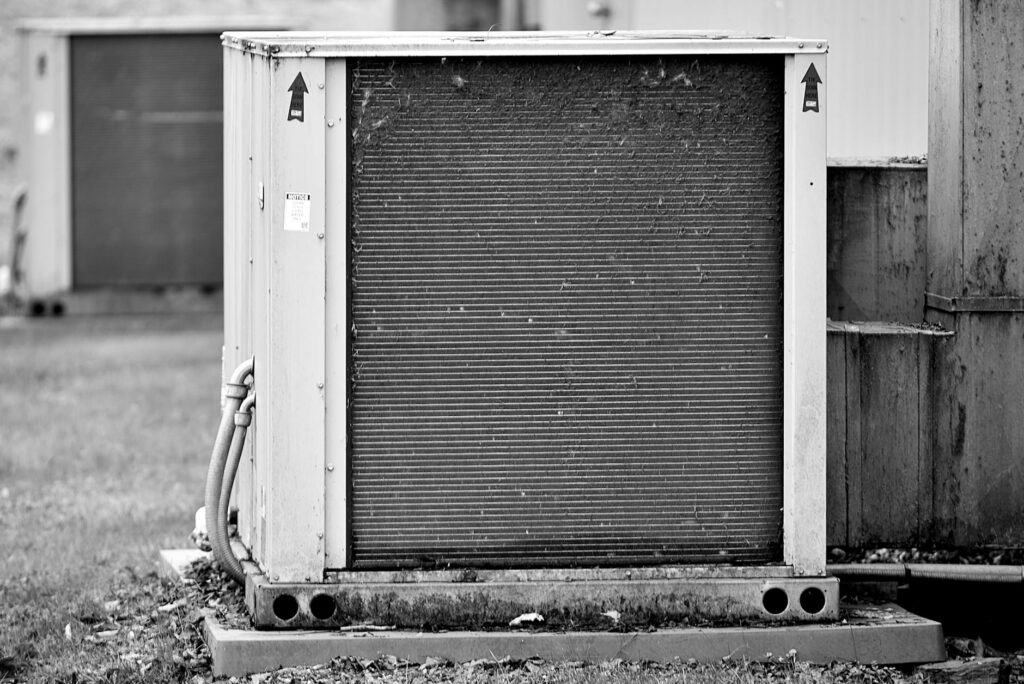
A typical HVAC system lasts between 15 to 25 years, depending on the type of equipment and how well you maintain it. Most homeowners can expect their air conditioning unit to last around 10-15 years, while furnaces typically last 15-20 years. Proper maintenance, regular inspections, and timely repairs can significantly extend your system’s lifespan.
Average Lifespan by HVAC Component
Your HVAC system isn’t a single unit—it’s a collection of components that may have different lifespans. Understanding these timeframes helps you plan replacements strategically.
Air Conditioning Units: AC systems typically last 10-15 years. The compressor, which is the most expensive part to replace, often determines when you’ll need a new unit. High humidity climates and frequent use can shorten this lifespan to 8-10 years.
Furnaces: Gas furnaces generally last 15-20 years, while oil furnaces may last slightly longer at 20-25 years. Electric furnaces can exceed 20 years with proper care. The heat exchanger’s condition is critical—once it cracks, replacement is usually necessary.
Heat Pumps: These dual-purpose systems last 10-15 years on average. They work harder than traditional AC units since they handle both heating and cooling, which can reduce their lifespan in extreme climates.
Ductwork: If installed correctly, ductwork can last 30+ years, though it may need sealing or repair before then. Poor installation or damage can reduce this significantly.
Thermostats and Controls: Digital thermostats typically last 10-15 years, while older mechanical ones may function for 30+ years. Smart thermostats are reliable for 10-12 years before battery or component failure.
Factors That Extend or Reduce HVAC Lifespan
Several variables significantly impact how long your HVAC system will last. Taking control of these factors can add years to your equipment’s life.
Regular Maintenance: Systems that receive annual tune-ups last noticeably longer. Professional maintenance includes cleaning coils, checking refrigerant levels, inspecting electrical connections, and replacing filters. A well-maintained system can last 5+ years longer than a neglected one.
Filter Changes: Dirty filters force your system to work harder, reducing efficiency and lifespan. Change filters every 1-3 months depending on household size, pets, and air quality. This simple $15-30 task prevents thousands in premature repairs.
Climate and Usage: Systems in hot climates with intense summer demand wear out faster than those in moderate climates. Similarly, using your system year-round in challenging conditions reduces lifespan. Extreme temperature swings also stress components.
Installation Quality: Poor installation creates stress on components and reduces lifespan. Improper refrigerant charge, inadequate ductwork sizing, and incorrect electrical connections all shorten system life. Always hire HVAC writer professionals.
System Size: An oversized system cycles on and off frequently, wearing components quickly. An undersized system runs continuously without reaching desired temperatures. Proper sizing is critical. You can check your system’s sizing using our HVAC size calculator to ensure it’s appropriate for your home.
Age-Related Issues: As systems age, refrigerant leaks become more common, electrical components degrade, and mechanical wear accelerates. Once a system exceeds its expected lifespan, repair costs typically exceed 50% of replacement value, making replacement more economical.
Signs Your HVAC System Is Nearing End of Life
Recognizing when replacement is imminent helps you avoid emergency breakdowns during extreme weather. Watch for these warning signs.
Frequent Repairs: If you’re calling for service multiple times yearly or spending $500+ on repairs, replacement often makes sense. The “5,000 dollar rule” suggests replacing systems that cost more than 50% of a new system’s price to repair.
Reduced Efficiency: Higher energy bills despite similar usage patterns indicate declining efficiency. Older systems lose effectiveness gradually, costing significantly more to operate.
Strange Noises: Grinding, squealing, or rattling sounds suggest component wear. While some noises can be addressed, they often signal approaching failure.
Inconsistent Temperatures: Rooms that won’t heat or cool properly may indicate a failing compressor, blocked ducts, or thermostat issues. If repairs don’t resolve this, replacement may be necessary.
Refrigerant Leaks: Frequent refrigerant top-offs are expensive and environmentally problematic. Modern EPA regulations make servicing older systems with R-22 refrigerant increasingly costly and difficult.
System Age: If your system is over 15 years old and needs significant repair, replacement usually makes financial sense. New systems are 20-40% more efficient than units from a decade ago.
How to Use the HVAC Size Calculator
Ensuring your replacement system is properly sized is crucial for longevity and efficiency. Our HVAC calculator helps you determine the right capacity for your home. Input your square footage, climate zone, insulation level, and window count to get accurate sizing recommendations in BTUs. This prevents oversizing or undersizing issues that shorten system lifespan and waste energy.
Frequently Asked Questions
Can an HVAC system last 30 years?
While rare, it’s possible for exceptionally well-maintained systems to reach 25-30 years, particularly furnaces. However, this requires annual professional maintenance, prompt repairs, optimal operating conditions, and often some component replacements. Most systems deteriorate significantly after 20 years, making them inefficient and unreliable. Even if a 30-year-old system still functions, replacement usually saves money on energy costs within 5-7 years.
Is it better to repair or replace an older HVAC system?
Use the 50% rule: if repair costs exceed 50% of a new system’s price, replacement is usually better. Additionally, consider your system’s age and remaining lifespan. A 18-year-old unit needing a $3,000 repair on a $6,000 system should probably be replaced. However, a 10-year-old system needing a $1,500 repair might be worth fixing since it has years of life remaining.
How can I extend my HVAC system’s lifespan?
Follow these practices: change filters monthly, schedule annual professional maintenance, keep outdoor units clean and unobstructed, set reasonable thermostat temperatures, seal ductwork leaks, maintain good insulation, and address repairs promptly. These steps can add 5+ years to your system’s life and improve efficiency by 10-20%.
- HVAC System Maintenance Kit — Directly supports the post’s emphasis on maintenance as a key factor in extending HVAC system lifespan
- Programmable Smart Thermostat — Helps homeowners optimize HVAC efficiency and potentially extend system life through better temperature management
- HVAC Air Filter Subscription Service — Regular filter replacement is essential maintenance mentioned in lifespan guides and prevents premature system failure
Related reading: How to Get the Best HVAC Contractor Quote.
Related: How Much Does a New HVAC System Cost in 2025
Related: HVAC Warranty: What Is Covered and for How Long
SPONSORED
Estimating Software Built for HVAC Contractors
ArcSite lets you draw site plans, create estimates, and close jobs faster — all from your phone or tablet. Used by 100,000+ field service professionals.
Try ArcSite Free →Affiliate partner — we may earn a commission at no cost to you.
SPONSORED
Need HVAC Cleaning or Home Services?
Cleanster connects homeowners with vetted cleaning and home service professionals. Book online in minutes.
Book a Service →Affiliate partner — we may earn a commission at no cost to you.