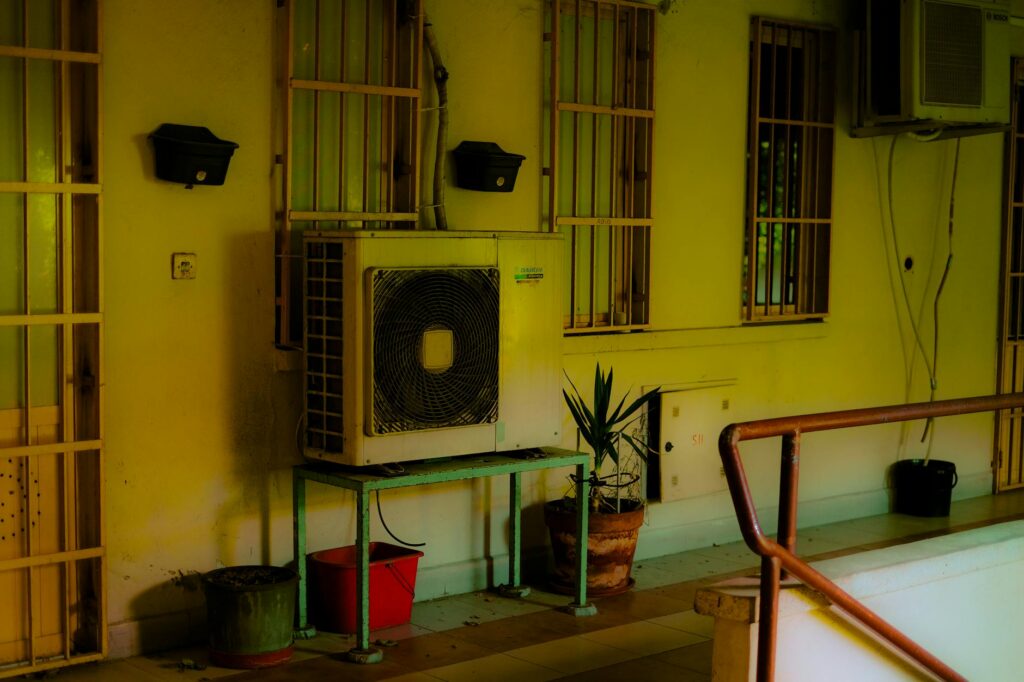
A new HVAC system in 2025 typically costs between $5,000 and $15,000 for installation, with unit prices ranging from $1,500 to $5,000 depending on type and efficiency. The final price depends on your system size, energy efficiency rating, regional labor costs, and whether you’re replacing an existing system or installing new ductwork.
Average HVAC System Costs by Type
The cost of a new HVAC system varies significantly based on which components you need. Here’s what you can expect to pay in 2025:
Central Air Conditioning Systems: A central AC unit costs $2,500 to $5,000 for the equipment alone, with installation adding another $1,500 to $3,000. If you need a new furnace as well, expect combined costs between $5,000 and $10,000 total.
Heat Pump Systems: Heat pumps are gaining popularity and typically cost $3,500 to $6,000 for equipment, plus $1,500 to $2,500 for installation. These systems provide both heating and cooling, making them efficient year-round solutions.
Furnace-Only Systems: If you only need furnace replacement without AC, costs range from $2,000 to $4,000 for the unit plus $800 to $1,500 in labor. This is often the most budget-friendly option.
High-Efficiency Systems: Premium systems with SEER2 ratings of 16+ and AFUE ratings above 95% can cost $4,000 to $8,000 for equipment alone, potentially reaching $12,000 or more installed. While expensive upfront, these systems reduce energy bills significantly over time.
Mini-Split Systems: Ductless mini-splits range from $3,000 to $8,000 installed, depending on the number of zones. They’re ideal for homes without existing ductwork or for zone heating and cooling.
Factors That Impact Your Final HVAC Cost
Several variables determine what you’ll actually pay for your new system. Understanding these factors helps you budget accurately:
System Size and Capacity: HVAC systems are sized in tons (12,000 BTU = 1 ton), ranging from 2 tons for small apartments to 5+ tons for large homes. Undersized systems work inefficiently, while oversized units waste energy. Proper sizing is critical and affects both equipment and installation costs. The larger your system, the higher the price.
Energy Efficiency Ratings: Systems are rated by SEER2 (cooling) and AFUE (heating) scores. A basic SEER2 14 system costs less upfront than a SEER2 18+ unit, but the efficient model reduces electricity bills by 20-30%. Over the system’s 15-20 year lifespan, higher efficiency often saves money despite higher initial costs.
Installation Complexity: Simple replacement of an existing system costs less than new installation requiring ductwork, electrical upgrades, or structural modifications. Homes needing extensive ductwork can see installation costs jump by $2,000 to $4,000.
Geographic Location: Labor costs vary by region. Urban areas and the Northeast generally charge more than rural areas or the South. Competition among HVAC contractors also affects pricing—areas with more contractors typically have lower prices.
Existing Infrastructure: If your home already has ductwork, wiring, and a suitable pad or location for the unit, installation is straightforward and cheaper. Older homes without ducts need additional investment for duct installation or ductless alternatives.
Brand and Manufacturer: Premium brands with excellent warranties cost more upfront but may offer better reliability. Mid-range manufacturers provide good value. Budget brands are cheaper but may lack customer support or longevity.
Breakdown of Installation Labor and Materials
Understanding where your money goes helps you evaluate quotes. Here’s a typical cost breakdown:
Equipment Cost (40-50%): The HVAC unit itself represents your largest single expense. This includes the furnace, air conditioner, heat pump, or combination system. Higher efficiency and larger capacity increase equipment costs.
Labor and Installation (30-40%): Professional installation typically takes 1-2 days. Technicians need to disconnect old equipment, install new units, connect refrigerant lines, electrical connections, and test the system. Complexity determines how long installation takes.
Ductwork and Materials (10-20%): If needed, duct installation or modification adds significant cost. New ducts, insulation, sealing, and balancing can range from $1,500 to $3,000. Some homes need partial duct replacement or sealing to improve efficiency.
Permits and Inspections (5-10%): Most jurisdictions require permits for HVAC installation, costing $150 to $500. These ensure the system meets local codes and building standards. Some contractors include this in their quote; others charge separately.
Removal of Old Equipment (2-5%): Disposing of your old system costs $100 to $300 depending on the system type and local regulations. Refrigerant recovery is required and adds to disposal costs.
How to Use the HVAC Calculator
Determining the right system size is crucial for accurate budgeting. Use our HVAC size calculator to determine your home’s exact requirements. Simply input your square footage, climate zone, insulation quality, and number of windows. The calculator generates your needed system capacity in tons, helping you get accurate quotes from contractors and understand pricing differences between system sizes.
FAQ About 2025 HVAC Costs
Is it cheaper to repair my old HVAC system or replace it?
If your system is over 10-12 years old and repair costs exceed 50% of replacement cost, replacement is usually smarter. Older systems become progressively less efficient, and repair costs accumulate. A new efficient system typically pays for itself through energy savings within 7-10 years, while repair might only buy you another year or two of use.
What HVAC rebates and tax credits are available in 2025?
Federal tax credits up to $3,200 are available for qualifying heat pump installations. Many states and local utilities offer additional rebates for high-efficiency systems. Some programs provide $500-$1,500 back on qualifying equipment. Check with your local utility company and the ENERGY STAR website for current programs in your area. These incentives significantly reduce your net cost.
Can I save money with a payment plan or financing?
Many HVAC contractors offer financing options with 0% interest for 12-24 months, making expensive systems more affordable. Some offer financing for 5-10 years with interest. Compare financing costs against the energy savings of a more efficient system—sometimes the upgrade pays for itself in fuel savings alone. Get quotes and calculate long-term costs rather than just comparing monthly payments.
- Honeywell Home Smart Thermostat — Complements new HVAC systems by optimizing energy efficiency and reducing operational costs; readers investing in new systems often upgrade thermostats simultaneously
- HVAC System Maintenance Kit & Tools — Helps protect the investment in new HVAC systems; essential for homeowners learning about system costs and wanting to maximize lifespan
- Air Filter 16x25x1 MERV 13 (Multi-Pack) — Necessary ongoing maintenance item for new HVAC systems; high-value content about system costs naturally leads readers to consider filtration needs
SPONSORED
Estimating Software Built for HVAC Contractors
ArcSite lets you draw site plans, create estimates, and close jobs faster — all from your phone or tablet. Used by 100,000+ field service professionals.
Try ArcSite Free →Affiliate partner — we may earn a commission at no cost to you.
SPONSORED
Need HVAC Cleaning or Home Services?
Cleanster connects homeowners with vetted cleaning and home service professionals. Book online in minutes.
Book a Service →Affiliate partner — we may earn a commission at no cost to you.