Programmable vs Smart Thermostat: Which Saves More?
Smart thermostats typically save more energy and money than programmable models, often delivering 10-15% savings on heating and cooling costs compared to 5-10% for programmable thermostats. However, the actual savings depend on your climate, usage patterns, and how actively you manage your system. Let’s explore the differences to help you make the right choice for your home.
Key Differences Between Programmable and Smart Thermostats
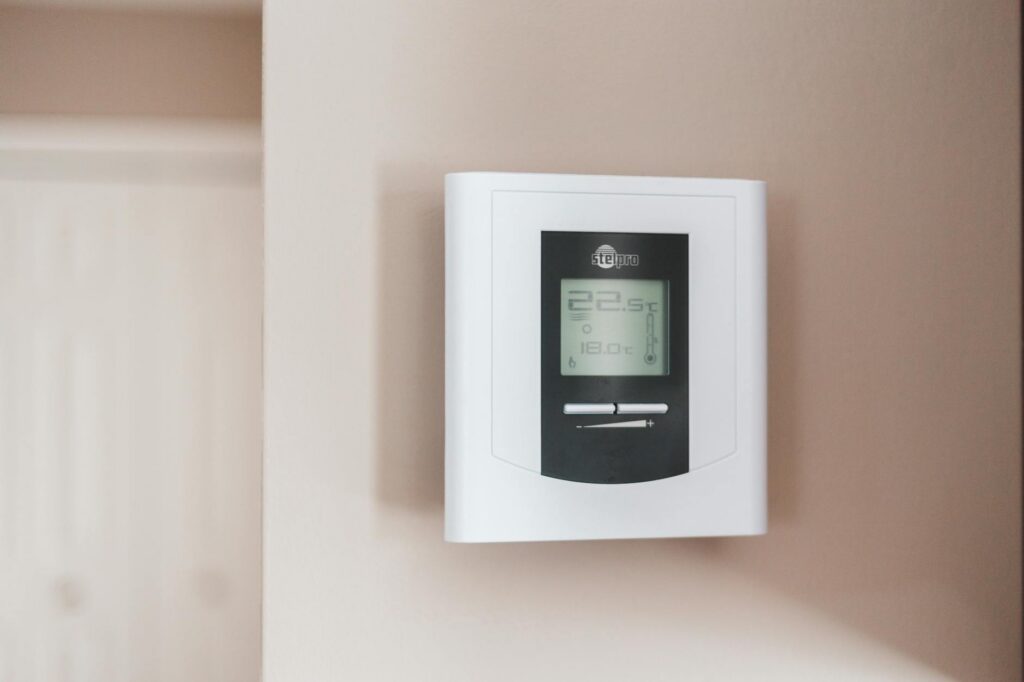
Programmable thermostats represent the earlier generation of automated temperature control. They allow you to set specific temperatures for different times of day and days of the week. You program a schedule manually—for example, lowering the temperature to 62°F when you leave for work and raising it to 70°F before you return home.
Smart thermostats take automation further by learning your habits, adjusting automatically based on weather conditions, and connecting to your smartphone for remote control. Many models use machine learning algorithms to predict when you’ll be home and optimize your heating and cooling accordingly. Some can integrate with other smart home devices and provide detailed energy usage reports.
The core difference comes down to intelligence and flexibility. Programmable thermostats follow rules you set; smart thermostats learn and adapt to your lifestyle while also responding to external factors like outdoor temperature and humidity.
Energy Savings Comparison: Numbers That Matter
Research and real-world data show measurable differences in energy efficiency between these two technologies.
Programmable Thermostat Savings: These devices typically reduce heating and cooling costs by 5-10% annually. This assumes you set a schedule that actually reflects your daily routine and stick with it consistently. The savings primarily come from avoiding unnecessary heating or cooling when no one is home or during sleeping hours.
Smart Thermostat Savings: Smart thermostats frequently deliver 10-15% energy savings annually, sometimes higher. This superior performance results from several factors: they learn your actual patterns rather than relying on a preset schedule, they adjust based on real-time weather data, and they provide detailed feedback that encourages conscious energy management.
The Catch with Programmable Models: Many people don’t achieve the full 5-10% potential because they don’t set schedules or adjust them seasonally. If your programmable thermostat is stuck on one schedule year-round or rarely modified, your actual savings could be minimal or non-existent.
Smart Thermostat Advantages: The learning capability means savings happen automatically without requiring you to reprogram seasonally. Remote access allows you to adjust temperatures when plans change unexpectedly. Energy reports show exactly where your consumption spikes, helping you make informed decisions.
Over a 10-year period, a smart thermostat could save $200-400 more than a programmable model, though this varies significantly based on your climate zone and home size.
Cost Analysis: Installation and Payback Period
Choosing between these technologies also involves upfront costs and how quickly they pay for themselves.
Programmable Thermostat Costs: These typically range from $50-150 for the unit itself, with professional installation adding $100-200. Total investment is usually $150-350. The quick payback period—often 1-2 years—makes them attractive for budget-conscious homeowners.
Smart Thermostat Costs: Units range from $200-400, with installation adding $100-200 for professional service. Some smart thermostats qualify for rebates from your utility company, which can reduce net costs significantly. Total investment is typically $300-600, sometimes less with rebates. Payback periods are typically 2-3 years, extending slightly longer but still reasonable given the additional features and benefits.
Additional Smart Thermostat Costs: Some people upgrade their wiring to accommodate smart models, which could add $100-300. However, many homes have compatible wiring already in place. Monthly subscription fees are rarely required—most smart thermostats operate on a one-time purchase basis.
Long-term Value: Smart thermostats often retain their value better and offer features beyond energy savings, such as occupancy detection, vacation mode, and integration with security systems. If you’re planning to stay in your home long-term, the additional upfront cost becomes less significant relative to total benefits.
How to Calculate Your Potential Savings
Understanding your specific savings potential requires knowing your current energy costs and usage patterns. Our HVAC calculators can help you estimate your heating and cooling needs, which directly influences potential savings. Use our HVAC system sizing calculator to determine your home’s actual heating and cooling requirements—this baseline helps you understand whether your current thermostat is keeping a properly sized system running efficiently.
To estimate thermostat savings: multiply your monthly heating/cooling costs by either 0.07 (for programmable) or 0.125 (for smart) to get approximate annual savings. Multiply by the thermostat’s expected lifespan (typically 10 years) and subtract the installation cost. This gives you potential total savings, helping you decide whether the higher upfront cost of a smart thermostat makes financial sense for your situation.
Frequently Asked Questions
Can a programmable thermostat save as much as a smart thermostat?
In theory, yes—if you actively manage it. However, in practice, smart thermostats deliver better results for most people because the learning and automatic adjustment features require no ongoing effort. Programmable thermostats demand that you manually adjust settings seasonally and account for schedule changes, which many people neglect.
Do smart thermostats work with older HVAC systems?
Most smart thermostats are compatible with standard heating and cooling systems installed within the last 20-30 years. However, some older systems with unusual wiring might require additional equipment. Programmable thermostats have broader compatibility and rarely require upgrades, making them better for very old homes.
Which is better for a frequently occupied home?
Smart thermostats excel in homes where people have varying schedules because they adapt automatically rather than following a fixed program. Programmable thermostats work best when everyone follows a consistent routine. If your schedule is irregular, a smart thermostat will likely deliver noticeably better savings.
- Nest Learning Thermostat — Direct product comparison – article discusses smart thermostats as money-saving solutions; Nest is a leading smart thermostat brand
- Ecobee SmartThermostat with Voice Control — Alternative smart thermostat option mentioned in comparison context; appeals to readers seeking energy savings
- Kill A Watt Electricity Usage Monitor — Allows readers to measure actual energy savings from thermostat upgrades; complements the article’s focus on comparing cost savings