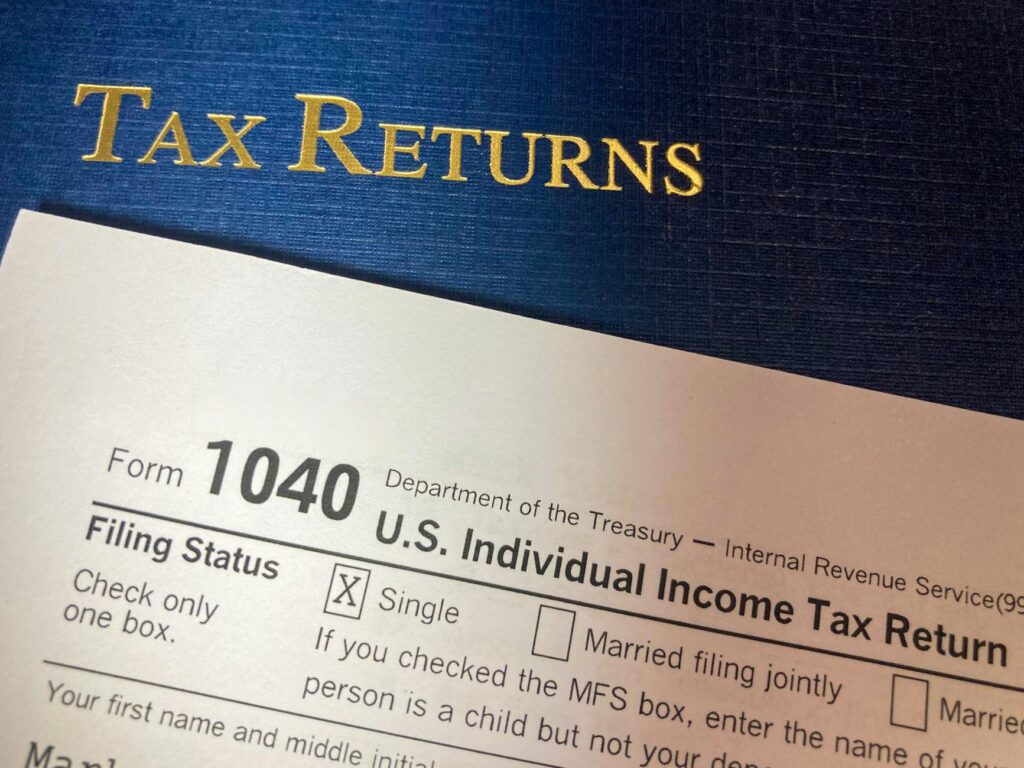
HVAC Federal Tax Credits: What You Can Claim in 2025
The IRS offers generous federal tax credits for upgrading your HVAC system to more energy-efficient models in 2025. You can claim up to $3,200 annually for qualified heat pump installations, air conditioners, and furnaces that meet strict efficiency standards. This guide explains which upgrades qualify, how much you can save, and the steps to claim your credits.
Understanding the 2025 HVAC Tax Credit Program
The Inflation Reduction Act expanded federal tax credits available for residential HVAC improvements, making energy-efficient upgrades more affordable than ever. These credits apply directly to your tax liability, meaning you reduce your taxes dollar-for-dollar rather than receiving a deduction.
For 2025, homeowners can claim tax credits for qualifying HVAC equipment including air source heat pumps, ground-source heat pumps, air conditioners, furnaces, and biomass stoves. The credit amount varies based on the specific equipment and your household income.
Key program details:
- Credits are refundable up to $1,600 for certain heat pump systems
- Maximum combined credit is $3,200 per year
- Income limits apply for single and joint filers
- Homeowners must have owned and lived in the home for at least two of the past five years
- The credit applies to both new construction and retrofits on existing homes
The program runs through 2032, giving homeowners several years to plan their upgrades and claim credits.
Qualifying Equipment and Credit Amounts for 2025
Not all HVAC equipment qualifies for federal tax credits. Your system must meet specific efficiency ratings and come from approved manufacturers. The IRS maintains an updated list of qualifying products on their website.
Air Source Heat Pumps: These systems can qualify for up to $2,000 in tax credits. They must have a Heating Season Performance Factor (HSPF2) of at least 8.5. Ground-source heat pumps, which are more efficient but more expensive, can qualify for the full $3,200 credit if they meet their respective efficiency requirements.
Air Conditioners: High-efficiency air conditioning units qualify for credits up to $300 if they meet a Seasonal Energy Efficiency Ratio (SEER2) of 16 or higher. These are typically installed as part of split systems.
Furnaces: Natural gas furnaces must achieve an Annual Fuel Utilization Efficiency (AFUE) rating of 95% or higher to qualify for credits up to $600.
Biomass Stoves: Qualifying biomass stoves and furnaces can earn credits up to $2,000.
Important note: The equipment must be installed in your primary residence in the United States. Installation labor costs do not qualify for credits, only the equipment itself.
Income limitations for 2025 determine the credit amounts you can claim:
- Single filers with income up to $75,000 receive full credit amounts
- Married filing jointly with income up to $150,000 receive full amounts
- Head of household with income up to $112,500 receive full amounts
- Phase-outs apply for higher incomes, with no credit available above $115,000 (single), $230,000 (married), or $172,500 (head of household)
Calculate whether your system qualifies using the specific efficiency ratings. Your HVAC contractor can provide these specifications when providing estimates.
How to Claim Your HVAC Tax Credit
Claiming your federal HVAC tax credit involves documenting your equipment, obtaining the correct forms, and filing with your tax return. The process is straightforward but requires proper documentation.
Step 1: Verify Eligibility
Confirm that your home qualifies (owned and lived in for at least two of the past five years) and your HVAC system meets the efficiency requirements. Request an itemized invoice and equipment specifications from your HVAC contractor showing the model numbers and efficiency ratings.
Step 2: Gather Required Documentation
Keep all receipts and invoices showing the purchase and installation date. The IRS may request proof of equipment specifications and proof that the equipment was installed in your primary residence. Your contractor’s invoice should clearly state the equipment model and efficiency ratings.
Step 3: Complete Form 5695
File IRS Form 5695 (Residential Energy Credits) with your 2025 tax return. Part II of this form applies to energy-efficient HVAC equipment. Line-by-line instructions on the form guide you through calculating your credit amount based on the equipment type and your installation date.
Step 4: Include With Your Tax Return
Submit Form 5695 along with copies of your itemized receipts when filing your federal income tax return. Whether you file electronically or by mail, keep copies for your records.
If you’re working with a tax professional or using tax preparation software, inform them about your HVAC upgrades and provide documentation. Most tax software includes prompts for energy credit claims.
Use Our HVAC Calculator to Find Your System Size
Before upgrading your HVAC system to claim federal credits, determine what size unit you actually need. An oversized or undersized system won’t operate efficiently, defeating the purpose of the upgrade and the tax credit. Our HVAC Size Calculator helps you determine the proper system capacity for your home based on square footage, climate zone, insulation quality, and other factors. Properly sizing your system ensures maximum efficiency and helps you select qualifying high-efficiency models.
Frequently Asked Questions
Can I claim the HVAC tax credit if I rent my home instead of own it?
No, the federal HVAC tax credit only applies to homeowners. Renters cannot claim these credits because they don’t own the property or have the ability to make permanent improvements. However, some landlords can claim credits for improving rental properties they own. Consult a tax professional regarding rental property eligibility.
What if my HVAC equipment doesn’t meet the 2025 efficiency standards?
Equipment that doesn’t meet the specified efficiency ratings doesn’t qualify for the federal tax credit. However, some states and local utilities offer additional rebates or incentives for any HVAC upgrade, even if it doesn’t meet federal efficiency standards. Contact your local utility company about available programs.
Can I claim the credit if I haven’t completed the installation yet?
The credit applies for the tax year in which the equipment is placed in service (fully installed and operational). If you’re planning an installation for 2025, you can claim the credit on your 2025 tax return filed in 2026. You cannot claim a credit for equipment you’ve purchased but not yet installed.
Do I need to use a certified contractor to install my HVAC system to claim the credit?
As of 2025, contractor certification is not required for HVAC equipment tax credits. You simply need the equipment to meet efficiency standards and be installed in your primary residence. However, hiring a qualified, licensed HVAC contractor ensures proper installation, which is essential for system efficiency and performance.
- ENERGY STAR Certified Heat Pump Systems — Directly aligns with the post’s focus on energy-efficient HVAC upgrades that qualify for federal tax credits
- TurboTax Deluxe Tax Software — Helps readers accurately claim HVAC tax credits and navigate the filing process to maximize their $3,200 credit
- HVAC System Programmable Thermostat — Complements efficient HVAC installations and can help homeowners optimize their new systems while reducing overall energy costs
SPONSORED
Estimating Software Built for HVAC Contractors
ArcSite lets you draw site plans, create estimates, and close jobs faster — all from your phone or tablet. Used by 100,000+ field service professionals.
Try ArcSite Free →Affiliate partner — we may earn a commission at no cost to you.
SPONSORED
Need HVAC Cleaning or Home Services?
Cleanster connects homeowners with vetted cleaning and home service professionals. Book online in minutes.
Book a Service →Affiliate partner — we may earn a commission at no cost to you.