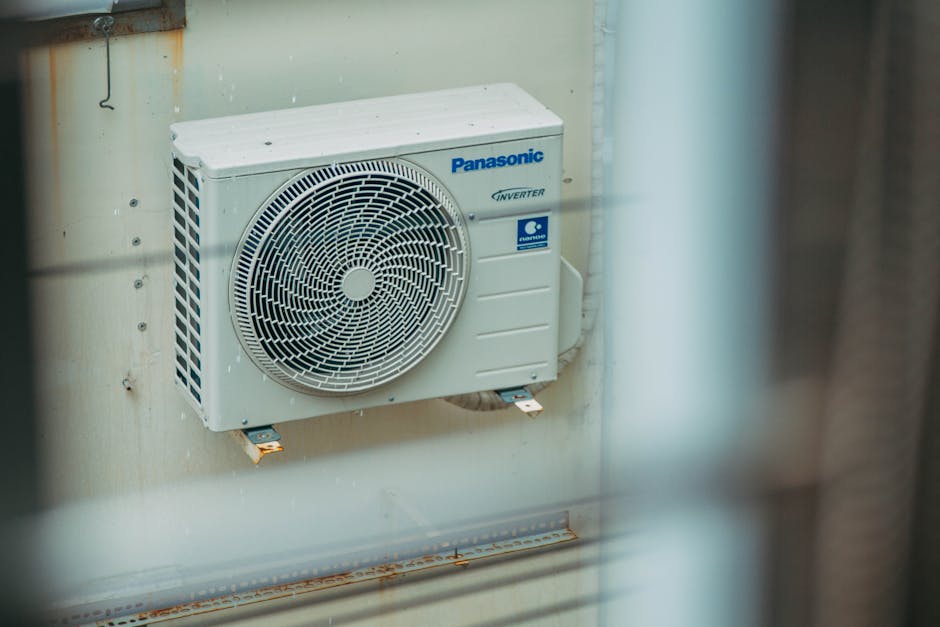
Central AC installation costs in summer 2026 typically range from $4,500 to $9,000 depending on unit capacity, home size, and regional pricing. Installing before peak season can save 15-25% compared to emergency summer installations. Planning ahead gives you negotiating power and access to your preferred contractors before their schedules fill up.
Central AC Installation Cost Breakdown for Summer 2026
How much does central AC installation cost in 2026?
The total investment for central air conditioning installation breaks down into several components. Equipment costs typically account for 40-50% of your total budget, while labor represents 30-40%. The remaining 10-20% covers permits, ductwork modifications, and miscellaneous materials.
For a standard 2,500-3,500 square foot home, expect these typical ranges:
- 3-ton system: $4,500-$6,500
- 4-ton system: $5,500-$7,500
- 5-ton system: $6,500-$9,000
These estimates reflect mid-range equipment quality and standard installation complexity. According to ENERGY.GOV’s heating and cooling guidance, proper sizing is critical for both efficiency and cost management. Oversized or undersized units waste money and energy.
Regional variations significantly impact HVAC installation expenses. Urban areas with higher labor costs may run 20-30% above rural pricing. Coastal regions often face premium pricing due to increased demand and specialized salt-air corrosion requirements.
Is it cheaper to install AC before summer?
Yes, installing before peak season consistently offers substantial savings. Off-season installation (fall through early spring) typically costs 15-25% less than summer emergency installations. During peak months, contractors command premium pricing because demand outpaces supply.
Spring installations offer additional advantages beyond price:
- Scheduling flexibility with faster completion timelines
- Better contractor availability and quality workmanship
- Time to identify issues before summer heat arrives
- Opportunity to negotiate multi-unit or package deals
Consider that waiting until June or July forces you into a seller’s market. Contractors work longer hours, charge overtime rates, and sometimes rush installations. Scheduling in March or April gives them reasonable workloads and allows proper installation quality.
Factors Affecting Your AC Installation Price
Unit capacity forms the foundation of your cost estimate. A properly sized system depends on square footage, insulation quality, climate zone, and window orientation. The AC size calculator helps determine your home’s exact requirements before getting contractor quotes.
Ductwork conditions dramatically influence total expenses. Homes with existing, properly sized ducts pay less than those requiring modifications. Installing new ductwork or sealing leaks in existing systems can add $1,500-$3,000 to your budget. Poor ductwork efficiency wastes 15-30% of your cooling capacity, making upgrades worthwhile investments.
Installation complexity varies by location. Single-story homes with accessible attics cost less than multi-story properties requiring extensive ductwork routing. Older homes with plaster walls or limited attic space face higher labor costs due to installation difficulty.
Electrical upgrades sometimes become necessary. Newer high-efficiency units may require upgraded electrical service panels or dedicated circuits, adding $500-$2,000 to your project budget. Older homes with 100-amp service may need expansion to support modern AC systems.
Equipment quality directly correlates with pricing and long-term value. Budget units (SEER 13-15) cost less upfront but consume more energy. Mid-range systems (SEER 16-18) balance affordability with efficiency. Premium units (SEER 20+) maximize energy savings and often include extended warranties.
How to Budget and Get Ahead of Peak Season
Start your planning process 8-12 weeks before you need cooling capacity. This timeline allows multiple contractor visits, equipment research, and financing arrangements without seasonal pressure.
Obtain at least three detailed quotes from licensed contractors. Compare equipment specifications, warranties, and labor costs line-by-line. Watch for vague pricing—legitimate contractors itemize every cost component. The cheapest quote often indicates corner-cutting elsewhere.
Financing options help spread costs across months or years. Many contractors offer 0% financing for 12-24 months with approved credit. Some utility companies provide HVAC cost estimator tools and rebate programs for energy-efficient upgrades. Check your state’s energy office website for available incentives.
Budget flexibility matters when unexpected conditions emerge. Set aside 10-15% contingency funds for potential ductwork repairs, electrical upgrades, or unforeseen complications discovered during installation.
Finding Certified Installers and Getting Quotes
Verify contractor credentials carefully. Look for EPA Section 608 certification, indicating technician training in proper refrigerant handling. State licensing requirements vary, so confirm your contractor holds appropriate credentials for your jurisdiction.
Check online reviews across multiple platforms, but read critically. Disregard extremely positive and extremely negative reviews, focusing on detailed mid-range feedback describing actual experiences.
Request references from recent installations in your area. Contact these homeowners directly, asking about installation quality, timeliness, and post-installation support. A contractor confident in their work willingly provides multiple references.
During the quote visit, ask contractors specific questions:
- What warranty covers equipment and labor?
- Do you handle permitting and inspections?
- What happens if complications arise during installation?
- Will you provide a detailed written contract?
- What payment schedule do you require?
Professional contractors provide written estimates detailing equipment model numbers, capacity ratings, labor hours, materials, and all associated costs. This documentation protects both parties and prevents misunderstandings.
Energy Efficiency and Long-Term Savings Calculator
Higher efficiency systems cost more initially but generate significant long-term savings. Use the HVAC efficiency calculator to compare annual operating costs between different unit options. Many homeowners recover the efficiency premium within 5-7 years through lower electricity bills.
A SEER 20 system costs roughly $1,000-$1,500 more than a SEER 14 unit but reduces cooling energy consumption by 30-35%. In warm climates where AC runs 6-8 months annually, this difference adds up quickly. Calculate your local electricity rates and estimated cooling hours to project accurate ROI.
FAQ
What’s included in central AC installation cost?
Installation cost covers equipment delivery and placement, ductwork connections or modifications, electrical hookup and safety testing, refrigerant charging, thermostat installation, system startup and calibration, and removal of old equipment. Labor typically comprises the largest expense after equipment itself. Quality installations include comprehensive testing and customer education on system operation and maintenance.
Can I save money by installing AC myself?
DIY installation isn’t feasible for central AC systems. Federal law requires EPA Section 608 certification to handle refrigerants. Most manufacturers void warranties if anyone other than certified technicians performs installation. Additionally, improper installation creates safety hazards, reduces efficiency, and may violate local building codes. Professional installation protects your investment and ensures warranty coverage.
What warranty should I expect with new AC installation?
Recommended Resources:- Smart Thermostat (Ecobee or Nest) — Complements new AC installation by optimizing system efficiency and reducing energy costs post-installation
- HVAC System Air Filter Subscription Service — Essential maintenance product for newly installed AC systems to maintain efficiency and air quality long-term
- Digital Programmable Thermostat — Budget-friendly alternative to smart thermostats that helps homeowners manage their new AC system effectively
- Smart Thermostat (Ecobee or Nest) — Complements new AC installation by optimizing system efficiency and reducing energy costs post-installation
- HVAC System Air Filter Subscription Service — Essential maintenance product for newly installed AC systems to maintain efficiency and air quality long-term
- Digital Programmable Thermostat — Budget-friendly alternative to smart thermostats that helps homeowners manage their new AC system effectively
Related: Window AC vs Central Air: Complete Cost Comparison for Summer 2026
Related: 5 Ways to Lower Your Central AC Installation Cost in 2026
Related: Central Air Installation Cost: What You Need to Know in 2026
SPONSORED
Estimating Software Built for HVAC Contractors
ArcSite lets you draw site plans, create estimates, and close jobs faster — all from your phone or tablet. Used by 100,000+ field service professionals.
Try ArcSite Free →Affiliate partner — we may earn a commission at no cost to you.
SPONSORED
Need HVAC Cleaning or Home Services?
Cleanster connects homeowners with vetted cleaning and home service professionals. Book online in minutes.
Book a Service →Affiliate partner — we may earn a commission at no cost to you.