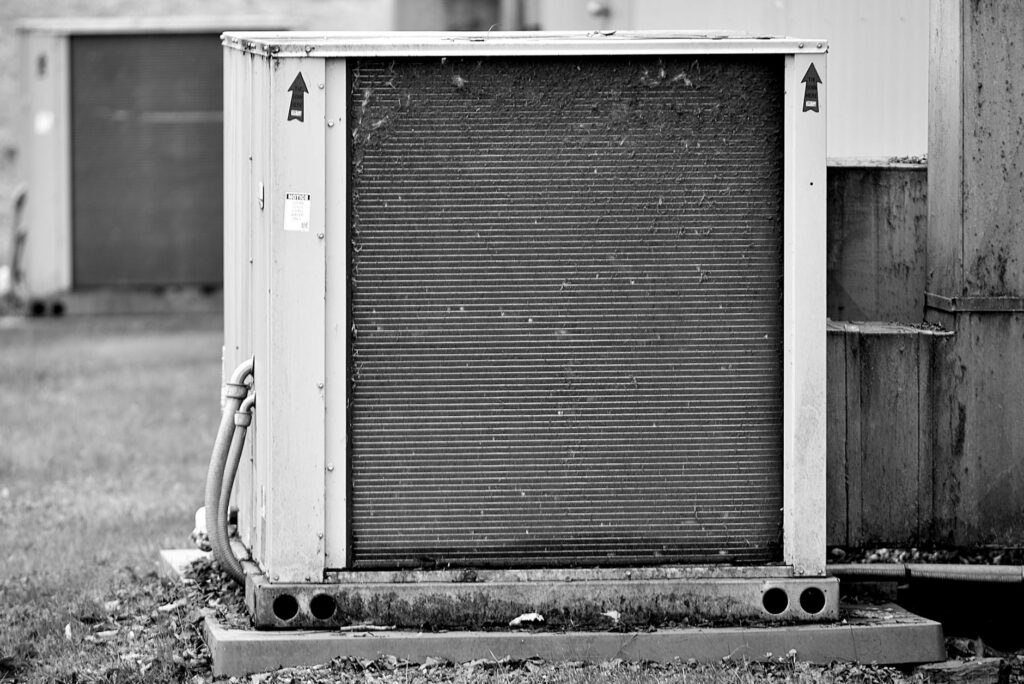
Energy Star HVAC systems meet strict federal efficiency standards set by the EPA, helping you reduce energy costs by 10-30% compared to standard units. Understanding what qualifies as Energy Star certified and calculating your potential savings can guide your investment in home comfort and lower utility bills.
What Makes an HVAC System Energy Star Certified
Energy Star certification isn’t automatically given to all efficient equipment. The EPA establishes rigorous performance benchmarks that HVAC systems must exceed to earn this prestigious label. For air conditioners and heat pumps, units must achieve a Seasonal Energy Efficiency Ratio (SEER) of at least 15 or higher, depending on your climate zone. Furnaces must reach an Annual Fuel Utilization Efficiency (AFUE) rating of 95% or better.
Beyond raw efficiency numbers, Energy Star certified systems often include advanced features that enhance performance. These may include variable-speed compressors, smart thermostats compatibility, improved refrigerant circulation, and enhanced insulation in ductwork. Manufacturers must test their equipment independently and submit results to the EPA for verification before receiving certification.
It’s important to note that Energy Star standards change periodically as technology improves. An HVAC system certified five years ago might not meet today’s standards. When shopping for new equipment, always look for the current Energy Star label to ensure you’re getting maximum efficiency benefits.
Financial Savings From Energy Star HVAC Systems
The financial benefits of upgrading to an Energy Star HVAC writer system extend far beyond the initial purchase. Homeowners typically see annual energy savings between $200 and $600, depending on system size, climate, and current equipment efficiency. A family upgrading from a 15-year-old air conditioning system to a modern Energy Star unit might save $400-$500 annually on cooling costs alone.
Over the lifespan of an HVAC system (typically 15-20 years), these savings compound significantly. A $6,000 investment in an efficient system could return $6,000-$12,000 in energy savings. Many utility companies offer rebates of $300-$1,500 for Energy Star HVAC installations, effectively reducing your upfront costs and accelerating your return on investment.
Additional financial benefits include increased home value and lower maintenance costs. Prospective buyers recognize the value of efficient systems, potentially increasing your resale price by 2-3%. Energy Star systems also operate more smoothly with fewer stress cycles, reducing wear on components and extending equipment lifespan.
Regional Efficiency Requirements and Incentives
Energy Star standards vary slightly by region because climate zones experience different heating and cooling demands. Northern states emphasize furnace efficiency, while southern regions focus on air conditioning performance. These regional variations ensure that certified equipment truly performs optimally in its intended environment.
Beyond federal Energy Star recognition, many states and municipalities offer additional incentives for upgrading to efficient HVAC systems. State energy offices, local utility companies, and environmental programs frequently provide tax credits, cash rebates, or financing assistance. Some programs target low-income households specifically, making efficient HVAC upgrades more accessible to all homeowners.
Research your local incentives before purchasing. Combining the federal Energy Tax Credit (currently up to $3,200 for HVAC systems), state rebates, and utility discounts can significantly reduce your out-of-pocket costs. Contact your local utility company or visit your state’s energy office website to discover available programs in your area.
How to Calculate Your Potential HVAC Savings
Understanding your potential savings requires knowing your current system’s efficiency and your local energy rates. Our HVAC cost calculator helps you estimate both installation expenses and long-term operational savings when upgrading to an Energy Star system. Input your home’s square footage, current equipment age, and local electricity costs to generate personalized projections.
The calculator compares your existing system’s efficiency rating against Energy Star certified alternatives, showing year-by-year savings over a 20-year period. You’ll also receive estimates for potential rebates and incentives available in your region. This data-driven approach removes guesswork from your purchasing decision.
Frequently Asked Questions
What’s the difference between SEER and SEER2 ratings?
SEER measures seasonal cooling efficiency using older test conditions established decades ago. SEER2, adopted in 2023, uses more realistic real-world conditions including higher outdoor temperatures and varying humidity levels. A SEER rating of 14 roughly equals a SEER2 rating of 11. New Energy Star systems must meet SEER2 requirements, ensuring more accurate efficiency expectations for homeowners in warmer climates.
Are Energy Star systems worth the extra upfront cost?
Yes, in most cases. While Energy Star certified systems cost 15-25% more initially, the energy savings typically recover this investment within 5-8 years. Since most systems last 15-20 years, you’ll enjoy 7-15 additional years of reduced energy bills. Combined with available rebates and tax credits, the payback period shortens significantly.
Can I upgrade just my air conditioner or furnace to Energy Star?
Absolutely. You don’t need to replace your entire system simultaneously. Upgrading your air conditioner to Energy Star while keeping your existing furnace provides cooling energy savings. However, pairing new equipment ensures optimal compatibility and efficiency. If your furnace is over 15 years old, coordinating both replacements often makes financial and operational sense.
Energy Star HVAC certification represents a significant commitment to energy efficiency and environmental responsibility. By choosing certified equipment, you’re investing in lower utility bills, increased home comfort, and reduced carbon emissions. Use available tools and incentive programs to maximize your savings potential, and consult with HVAC writer professionals to ensure proper installation and peak performance.
- Energy Star Certified Programmable Thermostat — Complements Energy Star HVAC systems by optimizing temperature scheduling and reducing energy consumption, directly supporting the efficiency goals discussed in the post
- HVAC System Air Filter (MERV 13) — Essential maintenance product for Energy Star HVAC systems to maintain peak efficiency and prevent performance degradation that reduces savings
- Smart Home Energy Monitor — Allows homeowners to track actual energy savings from their Energy Star HVAC investment and identify additional opportunities to maximize their 10-30% savings potential
SPONSORED
Estimating Software Built for HVAC Contractors
ArcSite lets you draw site plans, create estimates, and close jobs faster — all from your phone or tablet. Used by 100,000+ field service professionals.
Try ArcSite Free →Affiliate partner — we may earn a commission at no cost to you.
SPONSORED
Need HVAC Cleaning or Home Services?
Cleanster connects homeowners with vetted cleaning and home service professionals. Book online in minutes.
Book a Service →Affiliate partner — we may earn a commission at no cost to you.