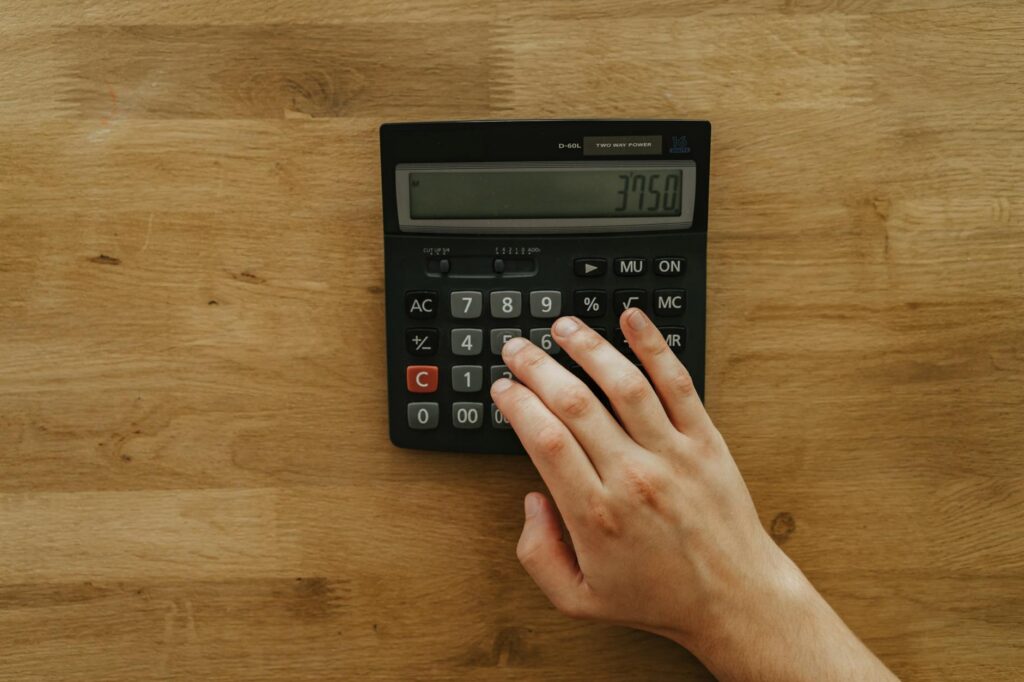
Choosing the right furnace size is one of the most important decisions you’ll make for your home’s heating system. Too small, and your house won’t heat evenly in winter. Too large, and you’ll waste thousands of dollars on energy bills while reducing your furnace’s lifespan. A furnace size calculator takes the guesswork out of this critical decision by analyzing your home’s specific heating requirements and recommending the ideal system capacity.
In this comprehensive guide, we’ll walk you through how furnace sizing works, why it matters, and how to use a calculator to find your perfect match.
Why Furnace Size Matters More Than You Think
Many homeowners assume bigger is always better, but oversizing your furnace is actually one of the costliest mistakes you can make. An oversized furnace cycles on and off more frequently than necessary—a process called short cycling—which increases wear on components and wastes energy. Studies show that an oversized furnace can increase heating costs by 15 to 30 percent annually.
An undersized furnace, meanwhile, struggles to reach your thermostat setpoint during the coldest days, leaving you uncomfortable and forcing your system to run constantly. The sweet spot is a furnace that’s sized to match your home’s heating load, typically measured in BTU/hour (British Thermal Units per hour).
Industry standards recommend that your furnace should be sized so it reaches 100 percent capacity on the coldest day of the year in your region. This ensures comfort without excess capacity or waste. A furnace size calculator uses this principle to deliver accurate recommendations tailored to your climate zone and home characteristics.
Understanding BTU and Heating Load Calculations
BTU is the standard unit for measuring heating capacity. One BTU is the amount of energy needed to raise the temperature of one pound of water by one degree Fahrenheit. Your home’s heating load—the total BTU output required to maintain comfort—depends on several factors.
Square footage is the starting point. A rough rule of thumb suggests 30 to 60 BTU per square foot, but this varies significantly based on climate. Homes in Minnesota, for example, need roughly 50 to 60 BTU per square foot, while homes in milder climates like Arizona need only 20 to 30 BTU per square foot.
Beyond location, your heating load also depends on:
- Insulation quality: Older homes with poor insulation need more heating capacity than newer, well-insulated homes of the same size.
- Air leaks and drafts: Gaps around windows, doors, and ductwork force your furnace to work harder.
- Number of stories: Multi-story homes lose heat differently than single-story ones.
- Ceiling height: Homes with vaulted ceilings require more BTU output.
- Window coverage: Homes with extensive glazing lose more heat in winter.
A furnace size calculator accounts for all these variables automatically, eliminating the need for manual spreadsheet calculations or guesswork.
How to Use a Furnace Size Calculator Step-by-Step
Using an online furnace size calculator is straightforward and takes just a few minutes. Here’s the typical workflow:
Step 1: Enter Your Location. The calculator uses your zip code or state to determine your climate zone and the design outdoor temperature for your region. This is critical because heating requirements differ dramatically between climates.
Step 2: Input Your Home’s Square Footage. Provide the total conditioned square footage you want to heat. Include finished basements but exclude unheated garages and crawl spaces.
Step 3: Describe Your Insulation. Select whether your home has poor, average, good, or excellent insulation. If you know your home’s R-value (resistance to heat flow), even better. Homes built before 1980 typically have poor insulation, while homes built after 2000 are usually better insulated.
Step 4: Answer Questions About Home Characteristics. The calculator will ask about number of stories, window type (single-pane, double-pane, etc.), basement presence, and air sealing quality. Each answer refines the calculation.
Step 5: Review Your Recommendation. The calculator outputs your recommended furnace size in BTU/hour, typically ranging from 40,000 to 150,000 BTU for residential homes. It may also recommend furnace efficiency ratings and estimated annual operating costs.
Furnace Sizing and Energy Costs: What to Expect
Once you know your ideal furnace size, you can estimate heating costs more accurately. A furnace’s efficiency is measured by AFUE (Annual Fuel Utilization Efficiency), expressed as a percentage. A 90 percent AFUE furnace converts 90 percent of fuel into usable heat; the remaining 10 percent escapes through the vent.
Here’s a rough estimate for a typical 2,000-square-foot home in a cold climate:
- Undersized furnace (60,000 BTU) with 80 percent AFUE: Higher operating costs due to constant running; increased equipment stress.
- Correctly sized furnace (80,000 BTU) with 95 percent AFUE: $1,200 to $1,800 annually for heating (depending on natural gas prices).
- Oversized furnace (100,000 BTU) with 90 percent AFUE: $1,600 to $2,400 annually due to short cycling and inefficiency.
By using a furnace size calculator to select the right capacity, you can save $300 to $600 per year compared to oversizing. Over a furnace’s 15 to 20-year lifespan, that’s $4,500 to $12,000 in savings.
Common Mistakes When Sizing a Furnace
Even with a calculator, some homeowners make critical errors. The most common is relying solely on square footage without accounting for climate or insulation. A 3,000-square-foot home in Alaska requires dramatically different heating capacity than an identical home in North Carolina.
Another mistake is trusting outdated contractor recommendations based on old HVAC rules of thumb. Modern calculators use Manual J—the HVAC industry’s gold-standard calculation method—which is far more accurate than outdated formulas.
Some homeowners also ignore ductwork efficiency. Even a perfectly sized furnace performs poorly if your ductwork is leaky or undersized. A comprehensive furnace size calculator may ask about duct condition to provide realistic recommendations.
Frequently Asked Questions
What is the average furnace size for a 2,000 square foot home?
The average furnace size for a 2,000-square-foot home ranges from 60,000 to 100,000 BTU, depending on climate, insulation, and age. Homes in cold regions like Minnesota typically need 80,000 to 100,000 BTU, while homes in moderate climates need 60,000 to 80,000 BTU. Always use a furnace size calculator for your specific location and home characteristics rather than relying on averages.
Can I use the same furnace size calculator for heat pumps and boilers?
No, furnace, heat pump, and boiler calculators use different methodologies. Heat pumps include cooling capacity calculations, while boilers account for water circulation and radiator systems. Use a heating-specific calculator for furnaces or a dedicated heat pump calculator if you’re considering that technology instead.
How accurate are online furnace size calculators?
Online calculators based on Manual J methodology are typically within 5 to 10 percent of professional HVAC load calculations. For maximum precision, hire a HVAC writer contractor to perform a detailed Manual J calculation, which costs $200 to $500 but provides engineer-level accuracy.
Should I size my furnace based on the coldest day of the year?
Yes. Your furnace should reach 100 percent capacity on your region’s design winter temperature—typically the coldest day in a 97-year cycle. This ensures comfort on extreme days without oversizing for normal winter conditions. Your furnace size calculator automatically accounts for this standard.
Does upgrading to a higher AFUE furnace save more than just sizing correctly?
Both factors matter, but sizing correctly is more important. An oversized 95 percent AFUE furnace wastes more energy than a correctly sized 80 percent AFUE furnace due to short cycling. However, combining correct sizing with high efficiency (92 to 98 percent AFUE) maximizes savings and comfort.
Conclusion
A furnace size calculator removes the mystery from one of the biggest HVAC decisions you’ll make. By considering your climate, home size, insulation quality, and other critical factors, these tools provide recommendations that save thousands of dollars in energy costs while ensuring year-round comfort. Whether you’re replacing an old furnace or installing a new heating system, taking time to calculate the right size upfront prevents costly mistakes and inefficiency down the road.
The difference between a properly sized furnace and an oversized one can mean $300 to $600 in annual savings—money that adds up quickly over your furnace’s 15 to 20-year lifespan.
Use Our Free HVAC Sizing Calculator
Don’t leave furnace sizing to guesswork. Head to our free HVAC sizing calculator at hvacsizecalc.com to get a customized recommendation in minutes. Our
- Honeywell Home Programmable Thermostat — Complements furnace sizing by optimizing heating efficiency and temperature control, helping homeowners maximize savings from properly-sized systems
- Furnace Air Filter 16x25x1 (Multi-pack) — Essential maintenance product for furnace owners that directly supports system performance and longevity after sizing selection
- HVAC Duct Insulation Wrap — Helps maximize heating efficiency gains from proper furnace sizing by reducing heat loss in ductwork distribution
Related: What Size Furnace Do I Need? BTU Calculations Explained
SPONSORED
Estimating Software Built for HVAC Contractors
ArcSite lets you draw site plans, create estimates, and close jobs faster — all from your phone or tablet. Used by 100,000+ field service professionals.
Try ArcSite Free →Affiliate partner — we may earn a commission at no cost to you.
SPONSORED
Need HVAC Cleaning or Home Services?
Cleanster connects homeowners with vetted cleaning and home service professionals. Book online in minutes.
Book a Service →Affiliate partner — we may earn a commission at no cost to you.