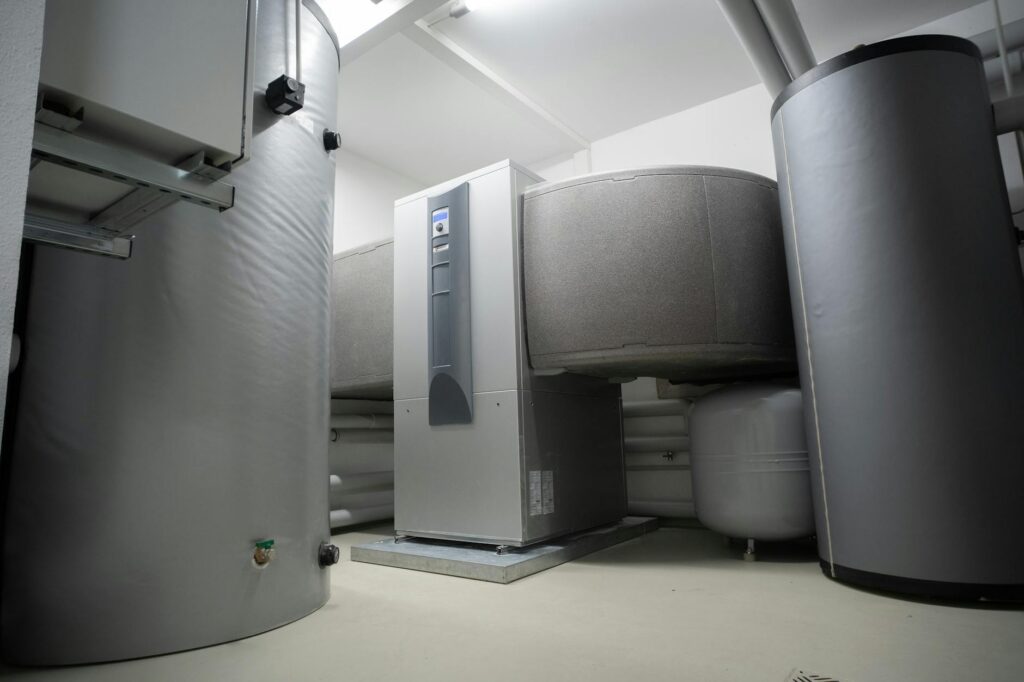
Geothermal heat pumps are one of the most efficient heating and cooling systems available, but their high upfront cost means they’re not the right choice for everyone. If you’re willing to invest $15,000–$30,000 upfront and plan to stay in your home long-term, geothermal systems can deliver substantial savings through reduced energy bills and potential tax incentives. We’ll help you understand whether this premium technology makes financial sense for your situation.
Understanding Geothermal Heat Pump Efficiency and Long-Term Savings
Geothermal heat pumps operate by transferring heat from deep underground where temperatures remain stable year-round, rather than extracting heat from outdoor air like traditional systems. This underground resource delivers remarkable efficiency—typically 300–600% seasonal coefficient of performance (SCOP), meaning they move 3–6 units of heat for every 1 unit of electricity consumed.
In practical terms, this translates to energy savings between 30–70% compared to conventional heating and cooling systems, depending on your local climate and electricity rates. Homeowners in regions with harsh winters and expensive heating fuels see the most dramatic returns. If you spend $2,000 annually on heating and cooling, a geothermal system could reduce that to $600–$1,400 per year.
The payback period typically ranges from 5–10 years, though some homeowners achieve full cost recovery in as little as 3–5 years when federal and state incentives apply. After reaching payback, you’re essentially running a highly efficient heating and cooling system for minimal operational cost. Most geothermal systems last 25–50 years, meaning 15–45 years of pure savings after the initial investment is recovered.
Installation Costs and What Affects Your Total Investment
The primary barrier to geothermal adoption is upfront cost. A typical residential geothermal installation runs $15,000–$30,000 depending on several key factors:
Soil composition and loop installation: The cost of drilling underground loops varies dramatically based on your ground conditions. Clay and bedrock require expensive drilling, while sandy or loamy soil is cheaper to excavate. Horizontal loop systems (less common) cost less than vertical loops in areas with available land.
System size and home square footage: Larger homes require larger geothermal systems with longer loops, driving costs higher. This is where accurate sizing becomes crucial—oversizing wastes money on unnecessary capacity, while undersizing leaves your home uncomfortable.
Geographic location: Installation labor costs vary by region. Rural areas may have limited geothermal contractors, potentially increasing costs or requiring travel fees. Urban markets with more competition often offer better pricing.
Existing HVAC infrastructure: If you’re replacing an older system and ductwork is already present, installation costs drop significantly. Homes requiring new ductwork or significant structural modifications pay more.
Federal tax credits currently cover 30% of installation costs with no maximum cap (through 2032), effectively reducing a $25,000 system to $17,500. Many states offer additional rebates ranging from $1,000–$10,000. These incentives dramatically improve the financial case for geothermal investment.
When Geothermal Makes Financial Sense and When It Doesn’t
Geothermal is worth it if: You plan to remain in your home for at least 7–10 years, you have sufficient land for loop installation (especially for vertical drilling), your property has suitable soil conditions, and you live in a climate with significant heating and cooling demands. Homes in cold climates where heating represents 50%+ of annual energy costs see exceptional returns. Properties with high electricity rates also benefit more dramatically.
Geothermal may not be worth it if: You’re planning to move within 5 years and won’t recoup the investment, your lot is too small or has restrictive soil conditions that prohibit loop installation, you live in a mild climate with minimal heating/cooling needs, or your home already has a newer, efficient heat pump system. If installation requires significant structural work or professional grading, costs may climb beyond justifiable returns.
The best approach is calculating your specific payback timeline. If your current annual heating and cooling costs are $2,500, and geothermal reduces that to $1,000, you’re saving $1,500 yearly. On a $22,500 system (after federal credit), that’s a 15-year payback. Add state incentives and the payback drops to 10–12 years—a reasonable investment for a homeowner planning to stay long-term.
How to Determine If Geothermal Works for Your Home
Start by calculating your optimal HVAC system size for your home’s square footage and climate zone. Our HVAC sizing calculator helps you determine the exact capacity you’ll need, which directly impacts geothermal system costs and efficiency ratings. Getting the size right prevents overspending on unnecessary capacity.
Next, obtain quotes from at least 3 certified geothermal installers in your area. Ask specifically about soil testing costs, loop installation depth, and whether they’ll help you apply for available rebates. Request references from recent installations in similar-sized homes in your region.
Finally, calculate your personal payback timeline using current heating and cooling costs, anticipated system size, local installation quotes, and available incentives. If payback is under 10 years and you plan to stay in your home long-term, geothermal represents a sound investment in comfort and savings.
Frequently Asked Questions
How much space do I need for a geothermal system?
Vertical closed-loop systems (most common in residential installations) require a small drilling footprint—often just 3–6 feet of surface area per loop. You can install multiple loops in your yard’s available space. Horizontal loops require more land area but no drilling. If you have limited space or difficult soil, your installer may recommend a hybrid approach or air-source heat pump instead.
Will geothermal work in my cold climate?
Yes—geothermal systems actually perform exceptionally well in cold climates because underground temperatures remain constant regardless of outdoor conditions. Homes in harsh winters see the highest savings rates because they avoid the efficiency penalties that air-source systems experience in freezing temperatures. Cold climates are ideal for geothermal investment.
What maintenance does a geothermal system require?
Geothermal systems require minimal maintenance—typically annual filter changes and occasional refrigerant checks. The underground loops are sealed and rarely need servicing. The indoor heat pump component has fewer moving parts than traditional HVAC systems, reducing maintenance costs over the system’s 25–50 year lifespan.