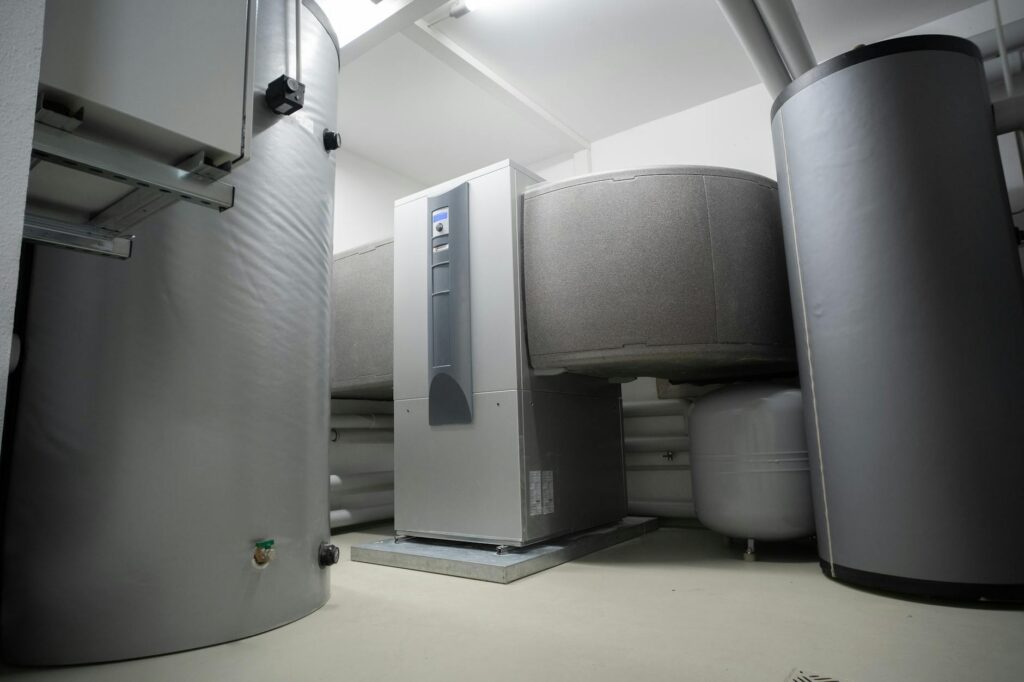
Selecting the right heat pump size is one of the most critical decisions you’ll make when installing a new heating and cooling system. An oversized unit wastes energy and money, while an undersized system struggles to maintain comfort and runs constantly. A heat pump size calculator removes the guesswork, delivering precise capacity recommendations based on your home’s unique characteristics. This guide walks you through everything you need to know about sizing heat pumps, why accuracy matters, and how modern calculators streamline the process.
Why Heat Pump Sizing Matters More Than You Think
Heat pump sizing directly impacts your utility bills, comfort levels, and system lifespan. According to the U.S. Department of Energy, an improperly sized heat pump can increase energy consumption by 15-25% compared to a correctly sized unit. Many homeowners assume bigger is better, but oversizing creates several problems: excessive cycling (turning on and off frequently), reduced efficiency, higher wear on components, and wasted money on upfront costs.
Undersizing presents equally serious issues. A heat pump that’s too small cannot reach your desired indoor temperature during extreme weather, forcing you to rely on expensive backup heating. You’ll hear the system running constantly without adequate output, leading to occupant discomfort and premature component failure. The sweet spot—proper sizing—ensures your heat pump operates at peak efficiency, maintaining comfort while minimizing energy waste and maintenance costs.
How a Heat Pump Size Calculator Works
A heat pump size calculator uses industry-standard methods to analyze your home and recommend capacity in tons (typically ranging from 1.5 to 5 tons for residential applications). The calculator evaluates several key variables:
Square footage: Larger homes require greater heating and cooling capacity. A 1,500-square-foot home in a moderate climate might need 2.5-3 tons, while a 3,500-square-foot home could require 4-5 tons.
Climate zone: Your geographical location determines heating and cooling demands. Homes in frigid northern climates need robust heating capacity, often 20-30% larger than similar homes in mild regions. Heat pump calculators adjust recommendations based on ASHRAE climate data for your area.
Insulation quality: Well-insulated homes with modern windows, sealed ductwork, and adequate attic insulation retain conditioned air longer, reducing capacity requirements. Older, poorly insulated homes need larger units to compensate for heat loss.
Window area and orientation: Homes with extensive south-facing glass gain solar heat in winter (beneficial) but also lose heat rapidly when it’s cold. East and west-facing windows create summertime heat gain challenges. A heat pump calculator factors these solar load variations into sizing.
Number of occupants: More people generate internal heat through activities and appliances. A family of five occupies a home differently than a single resident, affecting heating and cooling demands by 5-10%.
Ductwork condition: Leaky ducts can reduce system efficiency by 15-30%. Modern calculators ask about ductwork condition and adjust capacity to account for these losses.
Manual Calculation vs. Using a Digital Calculator
HVAC professionals typically use the Manual J load calculation method, a detailed procedure that requires climate data, construction details, and several hours to complete. Professional Manual J calculations cost $300-$700 but provide room-by-room breakdowns and highest accuracy.
A heat pump size calculator offers a practical middle ground. These tools deliver 90-95% of Manual J accuracy in seconds, based on simplified inputs. They’re ideal for homeowners seeking quick estimates, preliminary planning, or validation of contractor quotes. Online calculators perform the complex algorithms instantly, accounting for regional climate variations and building science principles that would take professionals hours to calculate manually.
The advantage of digital calculators is speed and accessibility. You can run multiple scenarios—comparing different insulation upgrades, window replacements, or geographical moves—and see how each variable impacts sizing. This transparency helps you understand what drives your capacity needs and where efficiency improvements deliver the greatest benefit.
Understanding Heat Pump Capacity and Efficiency Ratings
Heat pump capacity is measured in British Thermal Units per hour (BTU/h), commonly expressed in “tons.” One ton equals 12,000 BTU/h. A 3-ton heat pump moves 36,000 BTU/h between your home and outdoors.
Efficiency ratings matter equally. The Seasonal Energy Efficiency Ratio (SEER) measures cooling efficiency, ranging from 13 (minimum standard) to 24+ for premium models. Higher SEER ratings reduce summer cooling costs significantly. The Heating Seasonal Performance Factor (HSPF) measures heating efficiency, with values from 7.8 to 12+. For every 1-point increase in HSPF, heating costs drop approximately 8-12%.
A correctly sized heat pump operating at high efficiency (SEER 18+, HSPF 10+) costs roughly $800-$1,500 annually to operate for a typical 2,000-square-foot home. An oversized, lower-efficiency unit can cost 30-40% more. Proper sizing combined with high-efficiency equipment generates savings of $2,000-$4,000 over a system’s 15-20 year lifespan.
Common Sizing Mistakes and How to Avoid Them
Many homeowners and even some contractors make predictable sizing errors. The “rule of thumb” approach—assigning 400-600 BTU per square foot—ignores crucial variables like insulation, climate, and window quality. Homes in different climates with identical square footage need vastly different capacities. This shortcut often results in 15-30% oversizing.
Another mistake involves replacing old systems with identically sized units. Older homes often had oversized equipment by today’s standards. Modern insulation, window technology, and air sealing have reduced capacity needs by 20-40% for many homes. Installing a new unit matching an old one’s size wastes money and energy.
Contractor bias also skews sizing. Some contractors recommend larger units because they command higher prices and generate bigger commissions. Always request a detailed load calculation or use an independent heat pump size calculator to verify recommendations. If a contractor’s sizing differs significantly from calculator results, seek a second opinion.
Frequently Asked Questions
What happens if my heat pump is oversized?
Oversized heat pumps short-cycle (turn on and off excessively), reducing efficiency by 10-20%, increasing energy bills, and accelerating component wear. Your system reaches desired temperature quickly but doesn’t run long enough for proper humidity control, leaving homes feeling clammy in summer. Oversized units also cost $1,500-$3,000 more upfront with no performance benefit.
Can I use a heat pump size calculator if my home has an unusual layout?
Most online calculators accommodate unusual layouts through adjustable square footage and zone inputs. However, homes with vaulted ceilings, open floor plans, or multiple stories may benefit from professional Manual J calculations for maximum accuracy. You can also use calculator results as a baseline and adjust by 5-10% if you know your home has atypical characteristics.
How often should I re-evaluate my heat pump size?
Major home renovations—adding insulation, replacing windows, finishing a basement, or expanding square footage—warrant re-evaluation. A heat pump sized for your original 2,000-square-foot home may be undersized after finishing a 400-square-foot bonus room. Recalculate whenever you make substantial modifications affecting heating or cooling demands.
Does a heat pump size calculator account for future climate changes?
Most calculators use historical climate data (30-year averages) from your region. For some areas experiencing increased summer heat waves, you might consider 5-10% additional capacity beyond calculator recommendations. Conversely, northern regions with milder winter trends could potentially size down slightly. Discuss regional climate trends with your installer.
What’s the cost difference between correctly sized and oversized heat pumps?
An oversized unit typically costs $2,000-$3,500 more upfront, wastes $15-$40 monthly in excess energy consumption (varying by climate and efficiency), and requires more frequent repairs. Over a 15-year lifespan, oversizing costs homeowners $3,000-$8,000 in wasted energy plus earlier component replacement. Proper sizing recaptures these savings immediately.
Conclusion
Sizing a heat pump correctly is fundamental to HVAC comfort and efficiency. Your climate, home construction, insulation quality, and window specifications each play critical roles in determining the ideal capacity. A heat pump size calculator delivers fast, accurate recommendations by analyzing these factors simultaneously, eliminating manual calculation complexity while maintaining professional-grade precision.
By understanding how sizing works, recognizing common mistakes, and using reliable calculation tools, you make informed decisions that protect your comfort and budget. Whether you’re replacing an aging system or installing your first heat pump, prioritize proper sizing above all else. The modest effort invested in accurate sizing returns thousands in energy savings and reliability over the system’s lifetime.
Use Our Free HVAC Sizing Calculator
Ready to discover your ideal heat pump capacity? Head to hvacsizecalc.com and use our free HVAC sizing calculator today. Simply enter your home’s square footage, location, insulation level, and a few other details, and our advanced calculator delivers a precise capacity recommendation within seconds. You’ll receive specific tonnage sizes, efficiency grade suggestions, estimated annual operating costs, and potential savings from upgrading to high-efficiency equipment. Try our calculator now to see exactly what size heat pump your home needs—no registration required, completely free, and instantly actionable results you can share with contractors or use for confident purchasing decisions.
- Killian Pro Digital Psychrometer for HVAC — Helps readers accurately measure humidity and temperature needed for proper heat pump sizing calculations
- Fieldpiece HS33 Expandable Wireless Thermometer — Essential tool for HVAC professionals and DIY users to verify temperature readings when sizing and testing heat pump systems
- HVAC Ductulator Slide Rule Calculator — Complements the sizing guide by helping calculate duct sizing requirements to match properly sized heat pump capacity
Related: The Complete Guide to Heat Pump vs Furnace Heating in 2026
Related: How to Size Your Air Conditioner for Extreme Heat: A Sudbury Homeowner's Guide
Related: Heat Load Calculation: The Complete Guide for 2025
Related: How to Choose the Right Heat Pump for Cold Climates
SPONSORED
Estimating Software Built for HVAC Contractors
ArcSite lets you draw site plans, create estimates, and close jobs faster — all from your phone or tablet. Used by 100,000+ field service professionals.
Try ArcSite Free →Affiliate partner — we may earn a commission at no cost to you.
SPONSORED
Need HVAC Cleaning or Home Services?
Cleanster connects homeowners with vetted cleaning and home service professionals. Book online in minutes.
Book a Service →Affiliate partner — we may earn a commission at no cost to you.