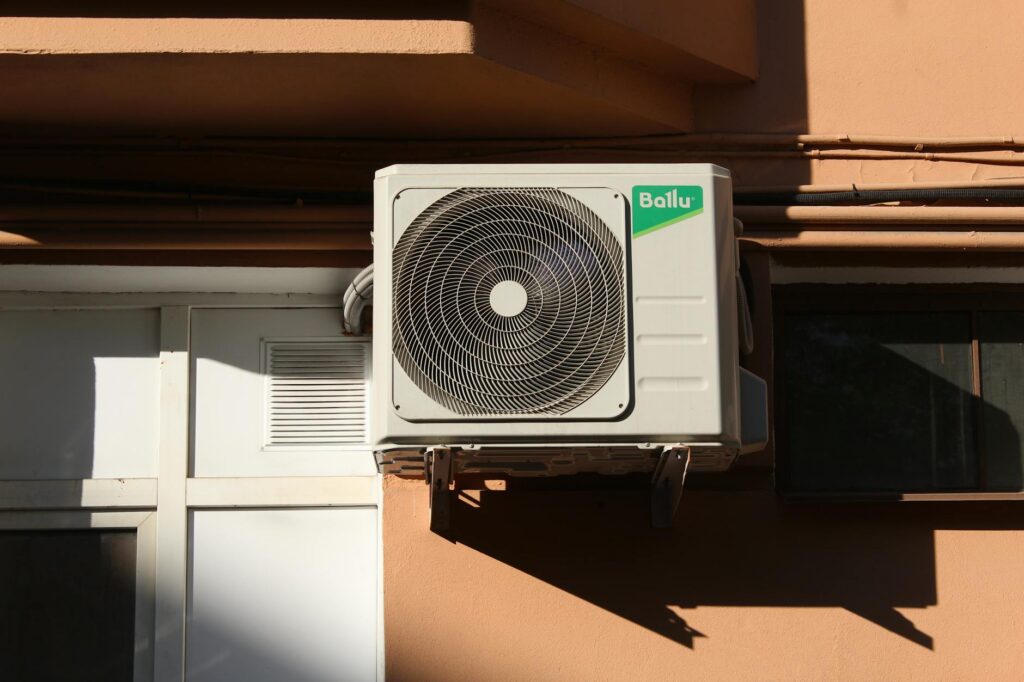
High-efficiency air conditioners qualify for significant federal tax credits and utility rebates in 2026, potentially saving you thousands on installation costs. These incentives make upgrading to an efficient cooling system more affordable than ever. Understanding what credits apply and how to claim them is essential for maximizing your savings.
Federal Tax Credits for Air Conditioning Systems
The federal government continues to offer substantial tax credits for homeowners who install qualifying high-efficiency air conditioning systems. For 2026, the Energy Efficient Home Improvement Credit provides up to $3,200 per year for HVAC system upgrades, including central air conditioning units that meet or exceed ENERGY STAR certification standards.
To qualify for federal tax credits, your new air conditioning system must meet specific efficiency ratings. The Seasonal Energy Efficiency Ratio (SEER2) rating is the current industry standard, replacing the older SEER rating. Most qualifying units must achieve a SEER2 rating of 16 or higher, though some regional variations apply depending on your climate zone.
These credits are non-refundable, meaning they reduce your tax liability dollar-for-dollar but cannot exceed your tax owed. You’ll claim the credit on IRS Form 5695 when filing your tax return. It’s important to keep receipts, invoices, and certification documents from your HVAC contractor, as the IRS may request proof of the equipment’s efficiency ratings and installation costs.
The credit applies to the equipment cost and installation labor, though labor costs are often capped. Check current IRS guidance for 2026 to understand the exact limitations, as rules can change annually.
State and Utility Rebate Programs
Beyond federal incentives, most states and local utility companies offer their own rebate programs for high-efficiency air conditioning installations. These programs vary significantly by location, with some utilities providing rebates of $300 to $1,500 or more for upgrading to ENERGY STAR certified units.
Many utility companies base their rebates on the efficiency improvement over your existing system. If you’re replacing an older, less efficient air conditioner, you may qualify for higher rebate amounts. Some programs require you to use approved contractors, so always verify contractor eligibility before signing any agreements.
To find available rebates in your area, contact your local electric and gas utility companies directly. Most maintain updated rebate programs on their websites and can provide specific dollar amounts based on your equipment choice. Some states also operate centralized rebate databases that consolidate offers from multiple utilities, making comparison easier.
Timing matters when applying for rebates. Many utility programs operate on a first-come, first-served basis with limited annual funding. Applying promptly after your installation can help ensure you receive the full rebate amount. Some utilities require pre-approval before installation, so check requirements early in your planning process.
State Tax Incentives and Additional Programs
Several states offer additional tax credits specifically for air conditioning upgrades beyond federal incentives. States like California, New York, and Massachusetts have established their own programs to encourage residential HVAC efficiency improvements. These state credits often stack with federal credits, significantly increasing your total savings.
Some states offer rebate programs through their energy offices or environmental agencies. These might include direct mail-in rebates, instant discounts at participating contractors, or financing programs with special interest rates for qualified HVAC upgrades. A few states even offer grants for low-income homeowners upgrading to efficient cooling systems.
To research state-specific incentives, visit your state’s energy office website or the Database of State Incentives for Renewables & Efficiency (DSIRE). This comprehensive resource lists all available state-level programs and helps you understand eligibility requirements.
Additionally, some manufacturers offer their own instant rebates and promotions on specific high-efficiency models. These manufacturer rebates can combine with federal and state incentives for even greater savings. Ask your HVAC contractor about current manufacturer programs when getting quotes.
How to Use the Calculator to Estimate Your Savings
Determining the right air conditioning system for your home is the first step toward claiming available incentives. Our HVAC sizing calculator helps you determine the appropriate capacity for your home, ensuring you select a properly sized unit that qualifies for efficiency rebates.
Using the calculator, input your home’s square footage, insulation level, climate zone, and current cooling system details. The tool provides recommendations for efficient system sizing, which directly impacts your eligibility for certain rebate programs. Many utilities require proper sizing as a rebate condition, so this step is crucial for maximizing your incentives.
Frequently Asked Questions
What SEER2 rating do I need to qualify for 2026 tax credits?
For federal tax credits in 2026, most qualifying air conditioning systems must have a SEER2 rating of at least 16. However, regional requirements can vary based on climate zones established by the Department of Energy. Check with your HVAC contractor or the IRS guidance for your specific region, as some areas may have different minimum efficiency standards.
Can I claim both federal tax credits and state rebates for the same AC installation?
Yes, in most cases you can claim both federal tax credits and state rebates or utility incentives for the same air conditioning installation. These programs are designed to complement each other. However, always verify with your state tax authority, as a few states may have specific rules limiting stacking of incentives. Your HVAC contractor can help clarify what combinations apply in your area.
How much can I actually save with these incentives combined?
The total savings depend on your system cost, local utility rebates, state programs, and your tax situation. Many homeowners see combined savings of $2,000 to $4,000 or more when combining federal credits, state incentives, and utility rebates. On a $6,000 to $8,000 system installation, incentives can cover 25% to 50% of the total cost, making high-efficiency cooling systems very affordable.
To get an accurate estimate of your potential savings, gather quotes from HVAC contractors and check your local utility company’s rebate offerings. Then calculate your federal credit based on your tax bracket, and research available state incentives for your location.
- Energy Star Certified Smart Thermostat — Complements high-efficiency AC systems and qualifies for federal energy tax credits, directly supporting the post’s focus on tax credits and efficiency upgrades
- HVAC System Installation Tools & Supplies — Relevant for homeowners planning AC upgrades; supports DIY preparation and understanding of the systems discussed in rebate/credit eligibility
- Home Energy Audit Kit — Helps readers assess current AC efficiency and identify upgrade needs before applying for 2026 tax credits and rebates
SPONSORED
Estimating Software Built for HVAC Contractors
ArcSite lets you draw site plans, create estimates, and close jobs faster — all from your phone or tablet. Used by 100,000+ field service professionals.
Try ArcSite Free →Affiliate partner — we may earn a commission at no cost to you.
SPONSORED
Need HVAC Cleaning or Home Services?
Cleanster connects homeowners with vetted cleaning and home service professionals. Book online in minutes.
Book a Service →Affiliate partner — we may earn a commission at no cost to you.