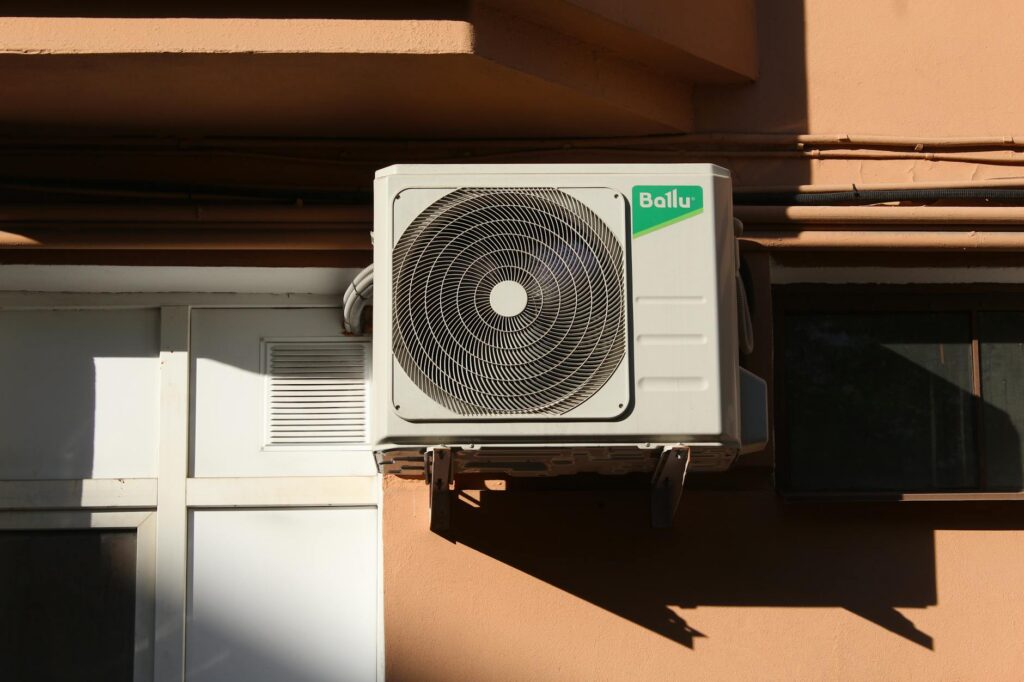
High-efficiency air conditioner rebates and tax credits for 2026 can significantly reduce your cooling system upgrade costs. Federal tax credits up to $2,000 and various state/local rebate programs make energy-efficient cooling more affordable than ever. Understanding these incentives helps you maximize savings while improving your home’s comfort and efficiency.
Federal Tax Credits for Energy-Efficient Air Conditioners
The federal government continues to incentivize homeowners to upgrade to high-efficiency cooling systems through the Inflation Reduction Act. For 2026, qualifying air conditioning units can earn you a tax credit of up to $2,000 when installed by a licensed professional.
To qualify for the full federal tax credit, your air conditioner must meet specific SEER2 (Seasonal Energy Efficiency Ratio 2) ratings. Most qualifying units need a minimum SEER2 rating of 16 or higher, though some regional variations exist. The credit applies to both central air conditioning systems and ductless mini-split systems, making it accessible for various home cooling needs.
Installation requirements are strict—only systems installed by EPA-certified contractors qualify. The contractor must also meet prevailing wage standards in many cases. Keep all receipts, invoices, and manufacturer documentation to claim the credit on your 2026 tax return. The credit is non-refundable, meaning it reduces your tax liability but won’t result in a refund if your liability is lower than the credit amount.
Income limits also apply to the federal tax credit. For 2026, single filers earning up to approximately $130,000 and joint filers earning up to approximately $260,000 qualify. Always verify current income thresholds with the IRS or your tax professional before planning your installation.
State and Local Rebate Programs Available in 2026
Beyond federal incentives, many states and local utilities offer additional rebates for installing high-efficiency air conditioning systems. These programs vary significantly by location, so checking your specific area is essential for maximum savings.
Utility companies often sponsor rebate programs to reduce peak summer demand and encourage energy conservation. These rebates typically range from $300 to $1,500 depending on your system’s efficiency rating and your location. Some programs offer instant rebates at the point of purchase, while others require mail-in applications after installation.
State programs are equally important. California, New York, Colorado, and other states maintain robust incentive programs for high-efficiency HVAC upgrades. Some states offer additional rebates for low-income households or homes in climate zones requiring significant cooling. Check your state’s energy office website or contact your local utility company for current 2026 program details.
Municipal and county programs sometimes supplement state offerings. Certain counties provide extra incentives for upgrading older systems or installing systems with refrigerants that minimize environmental impact. The combination of federal, state, and local incentives can reduce your total installation cost by 30-50%, making premium efficiency upgrades financially sensible.
Maximizing Your HVAC Rebates and Credits Strategy
Strategic planning ensures you capture every available incentive when upgrading your air conditioning system. Start by researching all programs applicable to your address before purchasing or scheduling installation.
Timing matters significantly. Some rebate programs have annual funding limits and distribute incentives on a first-come, first-served basis. Beginning your research in early spring gives you the best chance of accessing full rebate amounts before programs reach capacity during peak cooling season.
Selecting the right contractor is crucial. Your contractor must be EPA-certified for federal tax credit eligibility and must meet your utility company’s requirements for rebate qualification. Ask potential contractors about their experience claiming federal credits and participating in your utility’s rebate program. Many qualified contractors handle the paperwork and rebate applications on your behalf.
Choose your system specifications carefully. While higher SEER2 ratings earn larger rebates and credits, the additional cost may not always justify the return in certain climates. Balance efficiency ratings with your cooling needs and budget. A SEER2 rating of 16-18 typically offers the best value for most homeowners while maximizing available incentives.
Document everything meticulously. Keep manufacturer specifications, equipment serial numbers, installer licenses, paid invoices, and rebate confirmation numbers. These documents prove eligibility if the IRS questions your tax credit or if a rebate program requires verification.
How to Use Our HVAC Calculator for Your Rebate Planning
Determining the right system size and efficiency level is essential before applying for rebates and credits. Our HVAC sizing calculator helps you identify the optimal air conditioning capacity for your home, ensuring you select equipment that qualifies for incentives while meeting your cooling requirements efficiently.
Input your home’s square footage, insulation quality, window area, and climate zone into the calculator. The tool provides recommended SEER2 ratings and system sizes that balance efficiency incentives with real-world performance needs. Using data-driven sizing recommendations strengthens your rebate and credit applications by demonstrating that your equipment selection matches your home’s actual cooling demands.
FAQ: High Efficiency AC Rebates and Credits
Can I claim both federal tax credits and state rebates on the same air conditioning system?
Yes, in most cases you can claim both federal tax credits and state or local rebates simultaneously. Federal tax credits don’t count as taxable income, and state rebates are generally separate programs with independent eligibility requirements. However, verify your specific state’s rules, as a few states have coordination provisions. Always inform your tax professional about all incentives claimed to ensure proper tax return filing.
What SEER2 rating do I need to qualify for the 2026 federal tax credit?
Most federal tax credit-qualifying air conditioners require a minimum SEER2 rating of 16 for standard installations. However, the specific requirement varies by regional climate zones and equipment type. Ductless mini-split systems may have different ratings than central systems. Always verify current requirements with your contractor or the ENERGY STAR website before making equipment selections.
Do I need to install my new air conditioner before filing my 2026 taxes?
Yes, the federal tax credit requires that your high-efficiency air conditioning system be installed and operational before you file your 2026 tax return. Installation must occur in the tax year you’re claiming the credit. Plan your installation timeline accordingly, as contractor schedules fill quickly during spring and summer months when demand is highest.
- ENERGY STAR Certified High-Efficiency Air Conditioners — Directly relevant to the post’s focus on high-efficiency AC units that qualify for federal tax credits and rebates. Readers seeking eligible systems would benefit from exploring ENERGY STAR certified options.
- AC System Installation & Maintenance Tools — Supports readers who may be preparing for AC upgrades or maintenance work. Useful for those looking to optimize their systems before applying for rebates.
- EnergySage Solar & Efficiency Program — Complementary service that helps homeowners find and compare energy-efficient upgrades, calculate tax credit eligibility, and connect with local installers—directly aligned with the post’s incentive information.
SPONSORED
Estimating Software Built for HVAC Contractors
ArcSite lets you draw site plans, create estimates, and close jobs faster — all from your phone or tablet. Used by 100,000+ field service professionals.
Try ArcSite Free →Affiliate partner — we may earn a commission at no cost to you.
SPONSORED
Need HVAC Cleaning or Home Services?
Cleanster connects homeowners with vetted cleaning and home service professionals. Book online in minutes.
Book a Service →Affiliate partner — we may earn a commission at no cost to you.