`html
Quick Answer
Prepare your AC for summer by cleaning or replacing air filters, having a professional tune-up done, clearing outdoor condenser units, checking thermostat settings, sealing ductwork, and ensuring proper refrigerant levels. These steps typically cost $100-300 for professional maintenance but can prevent costly repairs and reduce energy bills by 15-20%.
Why Summer AC Preparation Matters
As temperatures rise and summer approaches, your air conditioning system is about to work harder than ever. Many homeowners neglect pre-season maintenance, leading to reduced efficiency, higher utility bills, and potential system failures during peak cooling season. Preparing your AC now can extend its lifespan, improve performance, and help you avoid emergency repair calls when outdoor temperatures reach 95°F or higher.
According to the U.S. Department of Energy, a well-maintained AC system runs 15-20% more efficiently than a neglected one. For homeowners with average annual cooling costs of $1,200, this translates to savings of $180-240 annually.
Essential AC Maintenance Steps
1. Replace or Clean Air Filters
This is the most critical maintenance task and the easiest for homeowners to perform themselves. Air filters trap dust, pollen, and debris, preventing them from damaging your system’s components.
What you need to know:
- Check filters monthly during cooling season
- Replace standard 1-inch filters every 1-3 months
- High-efficiency HEPA filters may last 6-12 months
- MERV ratings between 8-13 provide optimal balance of filtration and airflow
- Cost: $15-50 per filter
A clogged filter forces your system to work 15-25% harder, consuming more electricity and straining the compressor. If you have pets or live in a dusty area, check filters every two weeks.
2. Schedule a Professional Tune-Up
Before summer heat hits, hire a HVAC writer contractor to perform a comprehensive system inspection and maintenance visit. This is the single most important step for preventing mid-summer breakdowns.
What a professional tune-up includes:
- Inspecting refrigerant lines for leaks
- Checking refrigerant pressure (typically 25-30 PSI for R-22 or R-410A systems)
- Testing thermostat accuracy and calibration
- Cleaning evaporator and condenser coils
- Inspecting electrical connections and capacitors
- Lubricating fan motors and blower components
- Testing system safety controls
Cost: $100-300 depending on location and system complexity
Schedule this service in late April or early May, before technicians become fully booked. Many contractors offer package deals if you maintain both heating and cooling systems.
3. Clean Outdoor Condenser Unit
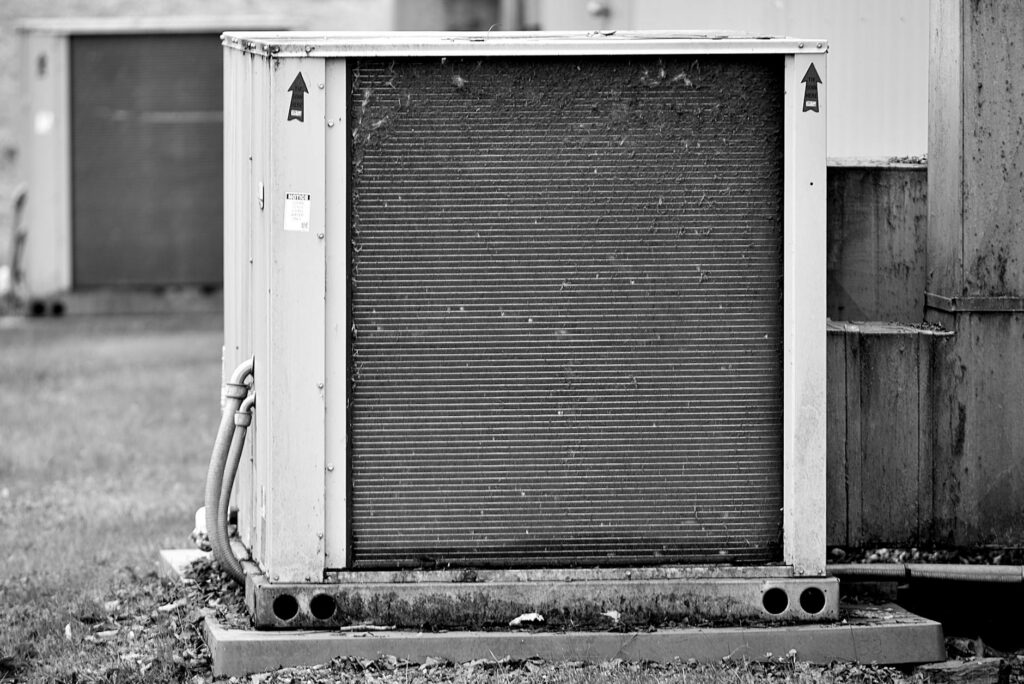
Your AC’s outdoor condenser unit pulls in surrounding air to release heat. Debris buildup significantly reduces efficiency.
How to clean your condenser:
- Turn off power at the breaker before cleaning
- Remove leaves, grass clippings, and twigs by hand
- Use a soft brush to gently remove debris from fins
- Hose down the unit with low-pressure water from the outside in
- Never use pressure washers—they damage delicate fins
- Maintain 2-3 feet of clearance around the unit year-round
Restricted airflow can reduce system efficiency by 10-15% and increase cooling costs by $100-150 per summer season.
4. Verify Thermostat Settings
Your thermostat controls your entire cooling system. Incorrect settings waste energy and create comfort problems.
Thermostat checklist:
- Set cooling mode to “cool” (not “auto” if you want manual control)
- Recommended summer temperature: 78°F when home, 82°F+ when away
- Each degree lower costs 3-5% more in energy consumption
- Test programmable/smart thermostat scheduling
- Check that display readings match actual room temperature
- Consider upgrading to a smart thermostat (saves 10-15% annually)
Modern programmable thermostats cost $150-400 installed and can reduce cooling costs by $100-180 per year.
5. Seal and Insulate Ductwork
Leaky ducts allow cooled air to escape into attics, crawlspaces, and walls—wasting 15-30% of your system’s output before air reaches your living spaces.
What to check:
- Inspect accessible ductwork for visible gaps and disconnections
- Use mastic sealant (not duct tape) to seal small leaks
- Add 1-2 inches of fiberglass insulation around ducts in unconditioned spaces
- Professional duct sealing costs $300-600 but recovers investment in 2-3 years
6. Check Refrigerant Levels
Refrigerant is the lifeblood of your AC system. Low levels indicate a leak and reduce cooling capacity. Only a licensed technician should handle refrigerant due to EPA regulations.
Signs of low refrigerant:
- System runs constantly but doesn’t cool below 76°F
- Hissing sounds from outdoor unit
- Ice buildup on refrigerant lines
- Higher than normal electric bills
Refrigerant recharging typically costs $150-300. If your system needs refrigerant more than once yearly, a leak investigation is necessary.
System Sizing Considerations
If your AC struggles to cool your home even after maintenance, your system may be undersized for your space. AC capacity is measured in BTUs (British Thermal Units). A typical 2,000 sq ft home requires 24,000-36,000 BTU/hour cooling capacity, depending on:
- Climate zone and average summer temperatures
- Home insulation quality (R-value)
- Window type and quantity
- Number of occupants and heat-generating appliances
Use our HVAC sizing calculator to determine if your current system is appropriately sized for your home, or consult a HVAC writer contractor for a professional load calculation.
Preparing for Peak Summer Season
- Reusable/Disposable AC Air Filters (16x25x1, 16x25x4, 20x25x1) — Directly addresses the first maintenance step mentioned – cleaning or replacing air filters, which is essential AC summer preparation
- Digital Smart Thermostat (Nest, Ecobee, Honeywell Home) — Aligns with the post’s recommendation to check/optimize thermostat settings, offering readers an upgrade option for better summer AC control
- AC Ductwork Sealing Tape & Mastic Sealant Kit — Supports the DIY ductwork sealing step mentioned in the post, enabling homeowners to complete this preparation task themselves
SPONSORED
Estimating Software Built for HVAC Contractors
ArcSite lets you draw site plans, create estimates, and close jobs faster — all from your phone or tablet. Used by 100,000+ field service professionals.
Try ArcSite Free →Affiliate partner — we may earn a commission at no cost to you.
SPONSORED
Need HVAC Cleaning or Home Services?
Cleanster connects homeowners with vetted cleaning and home service professionals. Book online in minutes.
Book a Service →Affiliate partner — we may earn a commission at no cost to you.