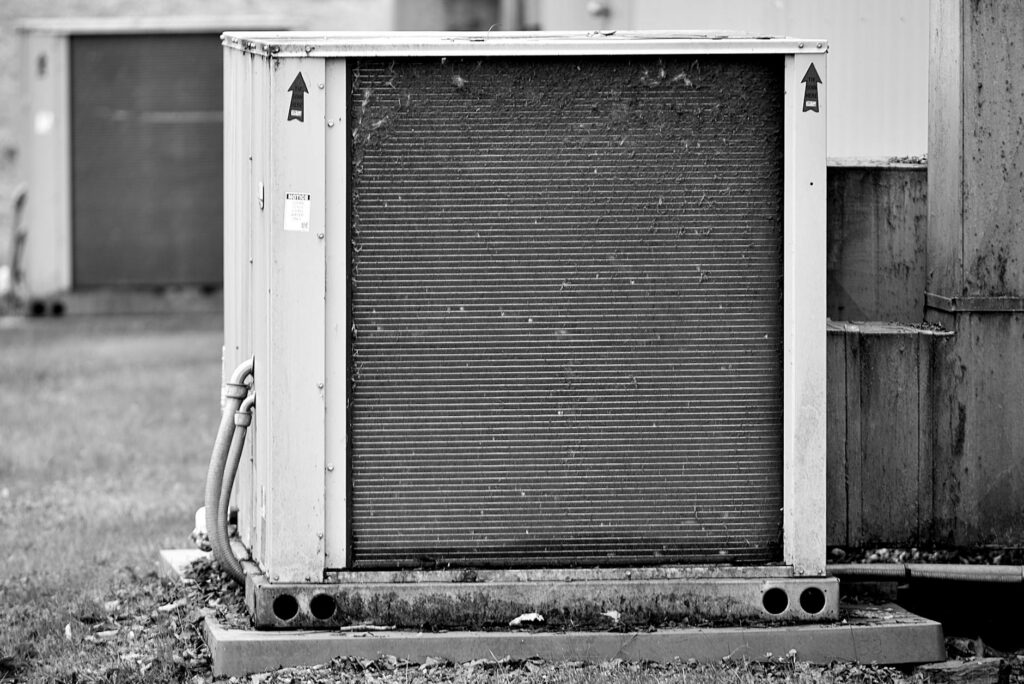
Deciding whether to repair or replace your HVAC system is one of the biggest decisions homeowners face, with costs ranging from a few hundred dollars to over $10,000. The answer depends on your system’s age, efficiency, repair history, and budget—factors we’ll help you evaluate so you can make the smartest financial choice for your home.
Understanding HVAC Repair Costs
HVAC repairs can vary dramatically depending on what component needs attention. A simple refrigerant leak might cost $300-$600, while a compressor replacement could run $1,500-$3,000. Service calls alone typically range from $100-$200, and many contractors charge hourly rates between $75-$150 for labor.
The most common repairs include:
- Refrigerant leaks: $300-$800
- Capacitor replacement: $150-$400
- Compressor failure: $1,200-$3,000
- Fan motor replacement: $400-$800
- Thermostat issues: $150-$300
While repairs are initially cheaper, keep in mind that older systems often experience recurring problems. If your system requires multiple repairs within a year or two, you’re throwing money at a dying system. A good rule of thumb: if the repair cost exceeds 50% of a new system’s price, replacement is usually the smarter investment.
When Replacement Makes Financial Sense
A new HVAC system typically costs between $3,500-$12,000 installed, depending on your home’s size, system type, and regional labor rates. While this is a significant upfront investment, modern systems offer substantial long-term savings through improved efficiency and reliability.
You should seriously consider replacement if:
- Your system is 15+ years old (most HVAC systems last 10-25 years)
- It requires expensive repairs regularly
- Your energy bills are climbing despite maintenance
- Your system uses R-22 refrigerant (being phased out, making repairs expensive)
- You need a repair that costs more than 50% of replacement cost
Modern HVAC systems are significantly more efficient than older units. A new system can reduce your energy consumption by 20-40%, translating to $300-$600 annual savings on heating and cooling costs. Over a 15-year lifespan, this efficiency gain easily pays for the replacement investment while improving your home’s comfort and air quality.
Additionally, new systems come with manufacturer warranties (often 5-10 years), eliminating unexpected repair costs during that period. Many homeowners also qualify for tax credits and rebates when upgrading to high-efficiency systems, potentially offsetting 10-30% of the installation cost.
The Age Factor: Your System’s Decision Point
Your HVAC system’s age is the most critical factor in the repair vs. replacement decision. Here’s a practical breakdown:
Systems Under 10 Years Old: Repair is typically the right choice. Most systems in this age range haven’t reached their operational limit, and repairs are generally cost-effective investments that will extend the system’s lifespan.
Systems 10-15 Years Old: This is the gray zone. Consider the repair cost relative to replacement cost, your system’s repair history, and your long-term plans for your home. If you plan to stay in your home for several more years and the repair is under $2,000, fixing it makes sense. If the repair is expensive and your energy bills are high, replacement might be better.
Systems Over 15 Years Old: Unless the repair is simple and costs under $500, replacement is usually the smarter choice. These systems are operating on borrowed time, and you risk major failure during peak heating or cooling seasons when emergency repair costs skyrocket.
Consider the cumulative cost approach: add up all repairs over the past three years. If that total approaches 25% or more of a replacement system’s cost, you’re likely looking at increasing failure rates. Planning a replacement now gives you flexibility to shop rates and avoid emergency situations.
How to Use the Calculator
Making this decision becomes easier with the right tools. Our HVAC sizing calculator helps you determine what system capacity you’ll need if you choose replacement, which directly impacts installation costs. By entering your home’s square footage, climate zone, insulation quality, and window count, you’ll get a clear picture of the equipment investment required, making it easier to compare against your current repair estimate.
Frequently Asked Questions
Is it cheaper to repair my HVAC system or buy a new one?
Repairs are cheaper upfront but become expensive long-term if your system is old or needs frequent fixes. A single major repair on a 15-year-old system might cost $2,000, but you could face another $2,000 failure six months later. A new system, while costing $5,000-$10,000 initially, provides reliability and efficiency gains for 15-25 years. Calculate your total cost-of-ownership rather than just the immediate bill.
What’s the 5000 rule for HVAC repair vs replacement?
The “5000 rule” suggests multiplying your system’s age by the repair cost. If the result exceeds $5,000, replacement is recommended. For example, a 10-year-old system needing a $600 repair would calculate as 10 × $600 = $6,000, suggesting replacement. While this rule isn’t absolute, it’s a helpful quick screening tool that accounts for both age and repair cost simultaneously.
Can I get rebates or financing for a new HVAC system?
Yes. Many manufacturers offer $300-$1,500 rebates for high-efficiency systems, and some utilities provide additional incentives. Federal tax credits are available for qualifying systems. Many HVAC contractors also offer financing options, including 0% interest plans over 24-60 months, making replacement more affordable than paying a large repair bill upfront. Ask your contractor about current programs in your area.
- HVAC System Thermostat (Programmable/Smart) — Homeowners considering HVAC repair vs replacement often want to optimize their current system’s efficiency before replacing it. Smart thermostats are a cost-effective upgrade that improves efficiency and helps justify keeping an older system.
- HVAC Air Filter Replacement Pack — Essential maintenance product for homeowners deciding to repair rather than replace. Regular filter changes extend system life and improve efficiency, directly supporting the repair decision path discussed in the guide.
- Home Energy Audit Kit/Thermal Camera — Helps homeowners assess whether their HVAC system is performing efficiently before making expensive repair or replacement decisions. Useful diagnostic tool for evaluating the cost-benefit analysis presented in the guide.
SPONSORED
Estimating Software Built for HVAC Contractors
ArcSite lets you draw site plans, create estimates, and close jobs faster — all from your phone or tablet. Used by 100,000+ field service professionals.
Try ArcSite Free →Affiliate partner — we may earn a commission at no cost to you.
SPONSORED
Need HVAC Cleaning or Home Services?
Cleanster connects homeowners with vetted cleaning and home service professionals. Book online in minutes.
Book a Service →Affiliate partner — we may earn a commission at no cost to you.