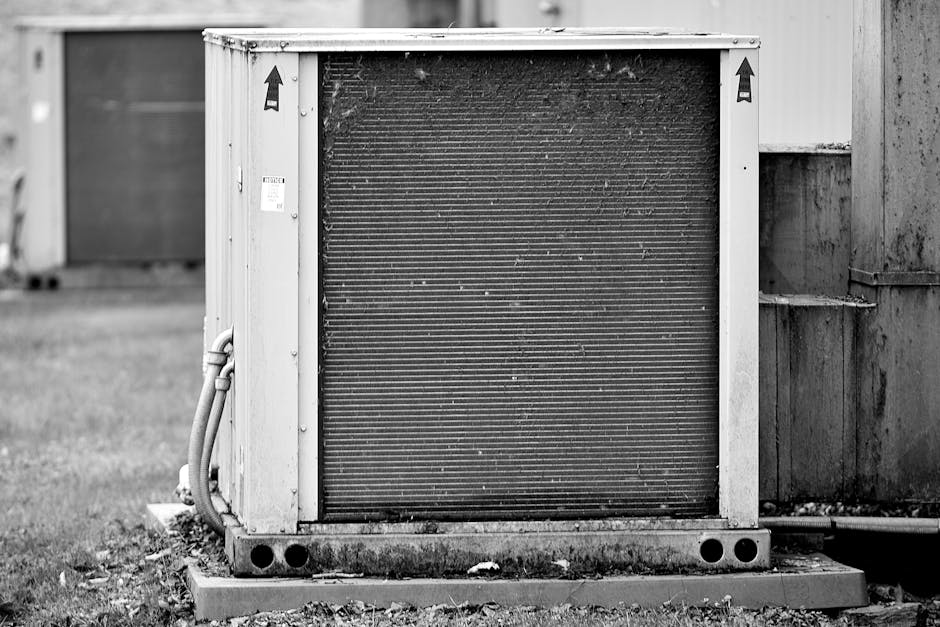
Retrofitting an HVAC system in an older home requires careful sizing to account for outdated insulation, ductwork, and thermal characteristics that differ from modern construction. Getting the wrong capacity wastes money, reduces efficiency, and leaves you uncomfortable—while proper sizing ensures your new system runs optimally and lasts longer. This guide breaks down what you need to know before replacing your heating and cooling system.
Why Sizing Matters for Older Home Retrofits
Many homeowners assume they should simply match their old system’s tonnage when upgrading. This approach overlooks a critical fact: older homes often have completely different heating and cooling loads than when the original system was installed.
Older homes typically suffer from:
- Poor insulation: Homes built before 1980 often have minimal or degraded attic and wall insulation, increasing energy loss significantly.
- Single-pane windows: Original windows lose tremendous heat in winter and gain excessive solar heat in summer.
- Air leaks: Gaps around doors, windows, and foundation allow conditioned air to escape.
- Outdated ductwork: Old ducts may be undersized, leaky, or routed inefficiently through unconditioned spaces.
- Uneven layout: Many older homes weren’t designed for central HVAC, making balanced comfort difficult.
Installing an oversized system won’t solve these problems—it’ll create short-cycling (frequent on-off cycles), wasting energy and reducing lifespan. An undersized system won’t reach target temperatures. Professional load calculation accounts for your home’s actual condition, not assumptions.
Key Factors That Change Sizing for Older Homes
Before replacement, have a qualified technician perform a Manual J load calculation specific to your home. Here’s what influences the numbers:
Insulation Condition
Old insulation loses effectiveness over decades. If your attic insulation is compressed, damp, or originally minimal (R-11 or less), your home loses heating and cooling much faster than modern standards. Adding insulation before HVAC replacement can significantly reduce required system capacity, lowering installation and operating costs.
Window and Door Condition
Single-pane windows are thermal sieves. If replacement isn’t in your budget yet, window films and storm windows help. However, a proper load calculation must account for existing windows, not theoretical upgrades. Modern HVAC systems are sized for your home’s actual condition right now.
Duct System Evaluation
Old ductwork often has problems invisible to the eye: leaks, crushed sections, disconnects, and inadequate sizing. Before replacing your furnace or air conditioner, have your ductwork tested for leakage and proper airflow. Sealing ducts can dramatically improve efficiency and may allow a smaller capacity system to meet your needs comfortably.
Square Footage vs. Actual Load
Never size an HVAC system by square footage alone. A 2,000 sq ft home in Minnesota with poor insulation needs a vastly different system than a 2,000 sq ft home in Arizona with modern insulation. Climate, orientation, shade from trees, appliance heat, and occupancy all factor into real cooling and heating load.
Common Retrofit Mistakes to Avoid
Older homes present unique challenges that inexperienced contractors sometimes miss:
Assuming the old system size was correct: The previous owner may have lived with an inadequate or oversized system for years. A professional load calculation is your only reliable guide.
Ignoring ductwork problems: New equipment can’t overcome leaky, undersized ducts. Budget for duct sealing and modifications if needed.
Skipping the blower door test: This diagnostic identifies air leaks. Sealing them before HVAC installation reduces load and saves money on equipment capacity.
Failing to account for zoning: Older homes with odd layouts, multiple stories, or finished basements often benefit from zone control systems. Proper sizing becomes even more critical when serving multiple zones.
Neglecting future improvements: If you plan to upgrade insulation or windows within 5 years, mention this to your contractor. Some oversizing might make sense if significant improvements are coming—but this decision should be intentional, not accidental.
How to Use the HVAC Sizing Calculator
To get a preliminary estimate of your home’s heating and cooling load, use the HVAC sizing calculator. Input your home’s square footage, climate zone, insulation level, window type, and air leakage factors. The calculator generates a load estimate in BTU/hour, helping you understand the ballpark capacity needed before talking to contractors.
While this calculator provides valuable guidance, it’s not a substitute for a professional Manual J calculation. Use it to:
- Educate yourself about your home’s load characteristics
- Identify which factors most impact your sizing (often revealing where improvements pay off)
- Verify that contractor quotes seem reasonable
- Compare scenarios (what if we add insulation? Replace windows?)
Next Steps for Your Retrofit
Start with a comprehensive home energy audit. Many utility companies offer these free or subsidized. The audit identifies air leaks, insulation gaps, and ductwork issues—information essential for accurate HVAC sizing.
Get multiple quotes from licensed HVAC contractors who perform Manual J calculations. Request detailed load calculations showing your home’s heating and cooling requirements by room. Compare not just price, but the reasoning behind their capacity recommendations.
Ask about rebates and incentives. Federal tax credits, utility rebates, and state programs often apply to high-efficiency equipment, offsetting retrofit costs substantially.
FAQ
Can I install the same size system as my old unit?
Not necessarily. A professional load calculation specific to your home’s current condition is the only reliable way to determine correct sizing. If your previous system was oversized or undersized, matching it compounds the original mistake.
Does adding insulation reduce HVAC costs?
Yes, significantly. Better insulation reduces your home’s heating and cooling load, allowing you to install a smaller (less expensive) system. Many retrofits pay for themselves through lower operating costs and equipment savings within 5-10 years.
What if my old ducts won’t work with the new system?
Many retrofit installations require duct modifications or replacement. Some homes benefit from completely new ductwork routed for efficiency. This adds cost upfront but dramatically improves comfort and system performance. Include duct evaluation and modification costs in your retrofit budget.
- Kill A Watt Electricity Usage Monitor — Helps homeowners measure current energy usage of old HVAC systems before retrofitting, enabling accurate sizing decisions based on actual consumption data
- Thermal Imaging Camera — Essential tool for identifying insulation gaps and thermal inefficiencies in older homes, critical information needed for proper HVAC sizing during retrofits
- Digital Psychrometer/Hygrometer — Measures humidity and temperature levels in older homes to assess thermal characteristics and ductwork performance, supporting accurate system sizing calculations
SPONSORED
Estimating Software Built for HVAC Contractors
ArcSite lets you draw site plans, create estimates, and close jobs faster — all from your phone or tablet. Used by 100,000+ field service professionals.
Try ArcSite Free →Affiliate partner — we may earn a commission at no cost to you.
SPONSORED
Need HVAC Cleaning or Home Services?
Cleanster connects homeowners with vetted cleaning and home service professionals. Book online in minutes.
Book a Service →Affiliate partner — we may earn a commission at no cost to you.