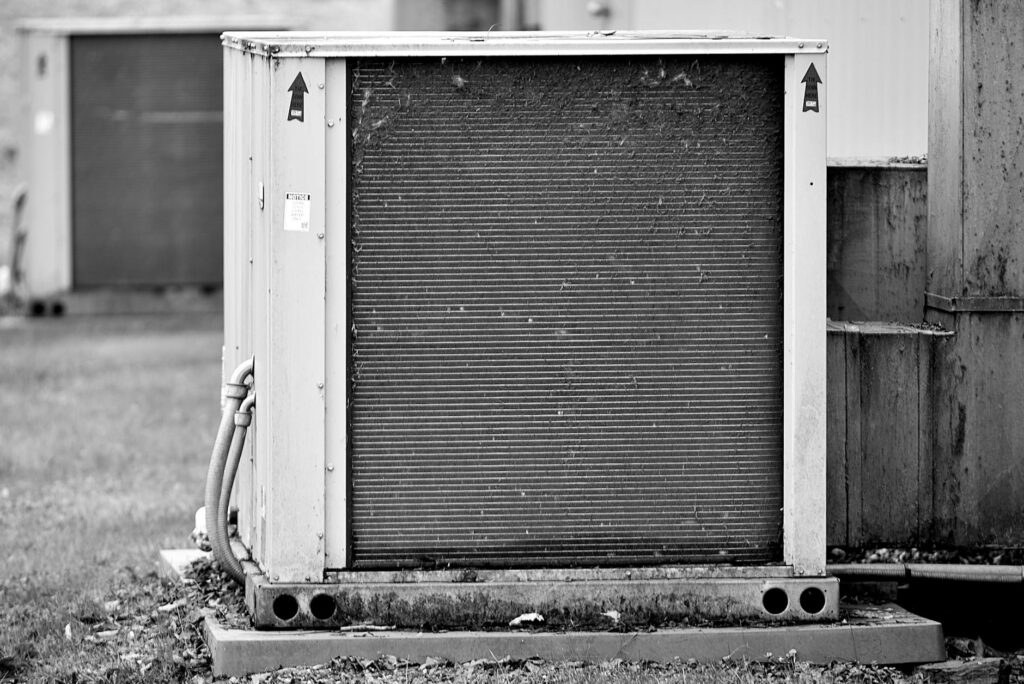
Choosing the right HVAC system is one of the most important decisions homeowners make. An undersized unit won’t heat or cool your home efficiently, while an oversized system wastes energy and money. This comprehensive guide explains how HVAC sizing works, why it matters, and how to determine the perfect system capacity for your home.
What Is HVAC Sizing?
HVAC sizing refers to the process of calculating the correct heating and cooling capacity your home needs based on its unique characteristics. System capacity is measured in BTU/h (British Thermal Units per hour) for heating and tons for cooling, where one ton equals 12,000 BTU/h. A properly sized system maintains consistent indoor temperatures, operates efficiently, and has a longer lifespan than one that’s incorrectly matched to your home.
Many homeowners assume bigger is better, but this misconception leads to costly mistakes. An oversized unit cycles on and off too frequently, increasing wear and tear while raising your utility bills by 10 to 20 percent annually. Undersized systems struggle to maintain comfort during extreme weather, forcing them to run constantly and consuming more energy than necessary.
Key Factors in HVAC Sizing Calculations
Professional HVAC sizing involves analyzing multiple factors specific to your property. The most critical element is your home’s square footage, which directly impacts the BTU/h requirements. As a rough baseline, you need approximately 20 to 25 BTU per square foot of conditioned space, though this varies significantly based on other variables.
Insulation quality dramatically affects sizing needs. Homes with superior insulation in walls, attics, and crawl spaces require smaller systems because they retain heated or cooled air more effectively. Conversely, older homes with minimal insulation need larger capacity units. Climate zone is equally important; a 2,000 square-foot home in Minnesota requires substantially more heating capacity than the same home in North Carolina.
Window and door efficiency matter too. Modern double-pane, low-emissivity windows minimize heat transfer, reducing your system’s workload. Older single-pane windows allow significant energy loss. The number, orientation, and sun exposure of windows also influence heat gain and loss throughout the day.
Additional factors include ceiling height, number of occupants, kitchen appliances that generate heat, and whether your home has a basement or crawl space. East and west-facing homes experience greater solar heat gain than north-facing properties, requiring adjustments to cooling capacity.
The HVAC Sizing Calculation Process
Professional HVAC contractors use the Manual J calculation method, the industry standard approved by the Air Conditioning Contractors of America (ACCA). This detailed process analyzes your home’s thermal characteristics rather than relying on simple square-footage rules of thumb.
A qualified technician will inspect your home’s insulation levels, measure window areas and orientations, assess air leakage points, and review your location’s heating and cooling degree days. They’ll document wall and attic R-values, duct locations, and any existing energy upgrades. This information feeds into specialized software that calculates precise BTU/h requirements for both heating and cooling seasons.
The process typically takes 1 to 2 hours and costs between $150 and $300 for a comprehensive load calculation. While this upfront investment seems significant, it prevents expensive mistakes. An incorrectly sized system costs $4,000 to $8,000 to replace prematurely, making a proper calculation an exceptional value.
Once your heating and cooling loads are calculated, contractors recommend equipment with capacity within 90 to 110 percent of your home’s requirements. Never select a unit sized significantly above or below this range, regardless of price or available models.
HVAC System Capacity and Costs
HVAC systems are available in standardized capacity increments. Common cooling capacities range from 1.5 tons to 5 tons, with heating capacity typically measured in thousands of BTU/h from 30,000 to 100,000. Residential systems most commonly fall between 2 and 4 tons for cooling.
System costs correlate with capacity but also vary by type, efficiency rating, and installation complexity. A basic 3-ton air conditioning unit costs $2,500 to $4,000, while a 3-ton heat pump suitable for heating and cooling ranges from $4,000 to $6,500. High-efficiency models with SEER2 ratings of 16 or higher cost $6,000 to $9,000 for the equipment alone. Installation labor typically adds $1,500 to $3,000 depending on your home’s existing ductwork condition.
Over a system’s 15 to 20-year lifespan, a properly sized high-efficiency unit saves 20 to 30 percent on energy costs compared to an oversized standard-efficiency system. A home spending $1,500 annually on heating and cooling could save $300 to $450 per year with correct sizing and high efficiency, totaling $4,500 to $9,000 in savings over the system’s life.
Common HVAC Sizing Mistakes to Avoid
The most frequent error homeowners make is replacing their old system with an identical size without recalculating needs. Your home’s insulation, weatherization, or usage patterns may have changed, making the old capacity inappropriate. Always obtain a fresh load calculation before purchasing replacement equipment.
Accepting contractor recommendations without verification is another common pitfall. Not all HVAC professionals perform rigorous Manual J calculations; some use shortcuts that result in oversized equipment. Request documentation of the load calculation and understand how the contractor arrived at their capacity recommendation.
Ignoring ductwork assessment is equally problematic. Even a perfectly sized system won’t perform well if ducts are undersized, leaky, or poorly insulated. Professional installers evaluate ductwork and recommend improvements as part of the sizing process.
Frequently Asked Questions
How many tons of cooling do I need for a 2,000 square-foot home?
Most 2,000 square-foot homes require 3.5 to 4.5 tons of cooling capacity, but this depends entirely on your insulation, climate, windows, and specific location. A home in Maine might need 3.5 tons while an identical home in Arizona needs 4.5 tons. Only a Manual J calculation provides an accurate answer for your specific situation.
What is the difference between SEER and SEER2 ratings?
SEER2 is the updated efficiency rating standard that replaced SEER in 2023, using more realistic testing conditions at higher outdoor temperatures. SEER2 ratings are approximately 20 to 25 percent lower numerically than equivalent SEER ratings. A SEER2 16 system provides excellent efficiency and qualifies for most federal tax credits.
Can I use an oversized HVAC system to cool my home faster?
No, oversized systems actually cool your home less effectively. They reach desired temperatures quickly and shut off before adequately removing humidity, leading to clammy indoor air. Properly sized systems run longer cycles that remove humidity while maintaining consistent temperatures.
How often should I replace my HVAC system?
Well-maintained HVAC systems last 15 to 20 years. If your system is approaching 15 years old, consider replacement even if it still operates, as modern high-efficiency units offer substantial energy savings and improved comfort compared to aging equipment.
Does ductwork size matter for HVAC sizing?
Absolutely. Ductwork must be properly sized to deliver air from your new system efficiently. Undersized ducts create excessive pressure, wasting energy and reducing comfort. Professional installers evaluate existing ducts and recommend modifications or complete replacement if necessary.
Conclusion
Proper HVAC sizing is essential for home comfort, energy efficiency, and long-term cost savings. The process requires analyzing multiple factors including square footage, insulation, climate, windows, and ductwork through a detailed Manual J calculation. While undersized systems fail to maintain comfort and oversized units waste money, correctly matched equipment operates efficiently and reliably for decades.
Don’t rely on guesswork or outdated sizing rules. Invest in a professional load calculation or use tools that account for your home’s specific characteristics. The difference between a properly sized system and an incorrectly matched unit can amount to thousands of dollars over your system’s lifetime.
Use Our Free HVAC Sizing Calculator
Ready to discover the right system capacity for your home? Head to hvacsizecalc.com and use our free HVAC sizing calculator. In just a few minutes, you’ll receive personalized capacity recommendations in tons and BTU/h, estimated equipment costs for different efficiency levels, and projected annual energy expenses. Our calculator analyzes square footage, climate zone, insulation type, window details, and other critical factors to deliver accurate sizing instantly—without waiting for a contractor visit. Get your custom HVAC sizing report today and make a confident decision about your home’s heating and cooling system.
- Digital Thermometer and Humidity Meter — Homeowners calculating HVAC needs benefit from accurate temperature and humidity readings to assess their current home conditions and validate system performance after installation.
- HVAC System Air Filter Replacement Pack — Essential maintenance item for HVAC systems that readers will need regardless of sizing calculations; complements the guide by helping maintain proper system efficiency.
- Ductwork Sealing Tape and Mastic Sealant — Proper duct sealing maximizes HVAC efficiency and system performance, which directly relates to sizing considerations discussed in the guide.
Related: The Complete Guide to HVAC Sizing: Calculate the Right System for Your Home
Related: The Complete Guide to HVAC Sizing: How to Calculate the Right System for Your Home
Related: How to Size an HVAC System for Your Home: A Complete Guide
Related: Radiant Heating vs Forced Air: Which System to Size for Your Home
Related: HVAC Sizing Guide: How to Calculate the Right System for Your Home
SPONSORED
Estimating Software Built for HVAC Contractors
ArcSite lets you draw site plans, create estimates, and close jobs faster — all from your phone or tablet. Used by 100,000+ field service professionals.
Try ArcSite Free →Affiliate partner — we may earn a commission at no cost to you.
SPONSORED
Need HVAC Cleaning or Home Services?
Cleanster connects homeowners with vetted cleaning and home service professionals. Book online in minutes.
Book a Service →Affiliate partner — we may earn a commission at no cost to you.