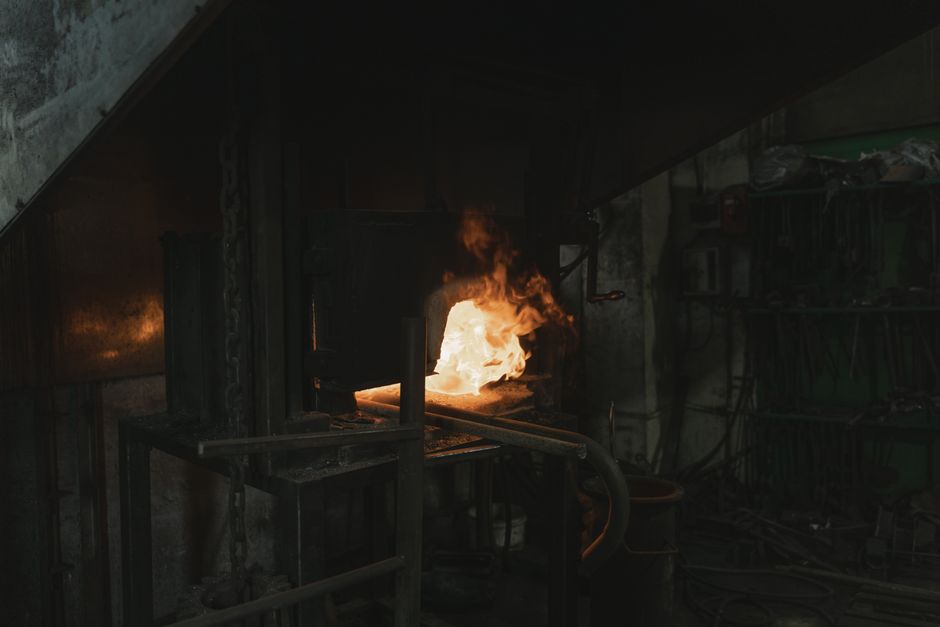
Modulating furnaces adjust heating output in increments to match your home’s actual heating needs, operating at partial capacity most of the time. This variable operation reduces energy waste, improves efficiency ratings up to 98% AFUE, and provides more consistent indoor temperatures compared to traditional single-stage furnaces. (Related: How to Size HVAC Systems for Different Climate Zones in Southern Ontario) (Related: Ductwork Sizing Calculator: Get the Right CFM Every Time) (Related: Two-Stage Cooling Explained: Is It Worth It in 2026?) (Related: How to Size Mini-Split Systems: Capacity Guide for 2026 Models) (Related: Two-Stage Cooling Explained: 5 Essential Facts for 2026) (Related: 5 Costly Consequences of Undersized HVAC Systems in 2026)
What Are Modulating Furnaces and How Do They Work
Unlike a single-stage furnace that operates at only 100% or 0%, a modulating furnace uses a variable gas valve and variable speed blower motor to adjust output anywhere from roughly 40% to 100% capacity. Most systems make incremental adjustments — typically in 1% steps — based on continuous feedback from indoor temperature sensors.
When outdoor temperatures drop slightly, the furnace responds with a modest heat output increase. During a polar vortex, it ramps up to full capacity. This intelligent load-matching is what drives modulating furnaces efficiency to levels that single-stage systems simply cannot reach.
Key mechanical components that enable modulation include:
- Modulating gas valve: Precisely controls fuel flow based on demand signals
- Variable speed ECM blower motor: Adjusts airflow to match heat output, improving comfort and humidity control
- Two-stage or fully modulating heat exchanger: Designed to handle the thermal stress of variable firing rates
- Advanced control board: Continuously monitors indoor conditions and sends adjustment commands
The variable speed furnace benefits extend beyond just fuel savings. Because the blower runs at lower speeds for extended periods, air circulates more consistently through your home, reducing hot and cold spots significantly.
Energy Efficiency Benefits of Modulating Furnaces
Modulating furnace AFUE ratings routinely reach 96% to 98%, compared to 80% for standard single-stage models. According to the U.S. Department of Energy, upgrading from an older 60% AFUE furnace to a modern 95%+ condensing unit can cut heating fuel costs by up to 38%. Modulating systems push those savings even further through continuous load optimization.
Here are the five core efficiency benefits modulating furnaces deliver:
- Reduced short-cycling: Shorter on/off bursts waste energy during startup. Modulating furnaces stay on longer at lower outputs, eliminating excessive cycling.
- Lower average firing rate: The furnace operates at 40–60% capacity on most winter days, consuming significantly less gas per hour.
- Improved humidity retention: Slower, longer air cycles prevent over-drying, reducing the need for supplemental humidification.
- Better heat exchanger efficiency: Extended low-fire operation allows more heat transfer from combustion gases before they exhaust.
- Optimized duct system performance: Lower airflow speeds reduce duct leakage pressure and noise, improving overall system delivery efficiency.
These energy efficient heating systems traits make modulating furnaces the top choice for homes in climates with prolonged heating seasons, particularly in IECC Climate Zones 4 through 7.
Sizing Advantages and System Matching
One of the most overlooked modulating furnaces efficiency advantages is how they compensate for imperfect sizing. Traditional furnace sizing advice relies heavily on Manual J load calculations, which are accurate but based on design-day worst-case conditions. In practice, design-day conditions occur only a handful of times each winter.
A single-stage furnace sized for those peak conditions will be significantly oversized on 90% of operating days, causing short-cycling and inefficiency. A modulating furnace sized to the same design load will simply throttle down during milder weather, maintaining efficiency across the full operating range.
Furnace sizing advantages of modulating systems include:
- Broader acceptable sizing range: A modulating furnace can be slightly oversized without the comfort and efficiency penalties associated with single-stage units
- Better zoning compatibility: Variable output pairs naturally with multi-zone systems by adjusting to reduced airflow without pressure problems
- Improved part-load performance: Where single-stage units struggle at mild temperatures, modulating furnaces thrive
Proper sizing still matters — our furnace size calculator helps you determine the correct BTU range before you purchase.
Modulating vs Single-Stage Furnaces Comparison
| Feature | Single-Stage | Modulating |
|---|---|---|
| AFUE Rating | 80–96% | 95–98% |
| Operating Stages | 1 (on/off) | 40–100% variable |
| Temperature Consistency | Moderate | Excellent |
| Noise Level | Higher | Very Low |
| Equipment Cost | $800–$1,500 | $1,800–$3,200 |
| Short-Cycling Risk | High if oversized | Minimal |
Cost Savings and ROI Analysis
How much money can you save with a modulating furnace?
Annual savings depend on your current system efficiency, local gas rates, and climate. A typical upgrade from an 80% AFUE single-stage furnace to a 97% AFUE modulating unit in a 2,000 sq ft home using 800 therms of natural gas annually could save approximately $180–$280 per year at $1.50/therm gas pricing.
At that savings rate, the $800–$1,400 price premium over a standard high-efficiency unit pays back in 4–7 years. Factor in utility rebates — many gas utilities offer $150–$400 for high-efficiency furnace installations — and that payback window shortens considerably.
Additional ROI contributors include reduced wear from less short-cycling (extending system lifespan by 3–5 years), lower humidity-related maintenance costs, and improved home comfort value if you plan to sell.
How to Size a Modulating Furnace Correctly
What size modulating furnace do I need for my home?
Correct sizing starts with a Manual J load calculation based on your home’s square footage, insulation levels, window area, air leakage rate, and local design temperatures. The Department of Energy recommends that all furnace replacements use load calculations rather than simply matching the existing unit’s capacity.
General BTU guidelines by climate zone and square footage:
- Honeywell Home Smart Thermostat — Smart thermostats optimize modulating furnace performance by adjusting heating cycles based on occupancy and preferences, maximizing the efficiency benefits discussed in the post
- HVAC Ductwork Insulation Tape & Sealant — Proper duct sealing complements modulating furnace efficiency by preventing heat loss, working together to achieve the 98% AFUE efficiency mentioned
- Digital Programmable Thermostat — Allows homeowners to schedule heating cycles that work synergistically with modulating furnace technology to maintain consistent indoor temperatures while reducing energy waste
See also: Demand-Controlled Ventilation: The Complete 2026 HVAC Sizing Guide
See also: The True Cost of HVAC Repair vs Replacement: 5 Essential Facts for 2026
SPONSORED
Estimating Software Built for HVAC Contractors
ArcSite lets you draw site plans, create estimates, and close jobs faster — all from your phone or tablet. Used by 100,000+ field service professionals.
Try ArcSite Free →Affiliate partner — we may earn a commission at no cost to you.
SPONSORED
Need HVAC Cleaning or Home Services?
Cleanster connects homeowners with vetted cleaning and home service professionals. Book online in minutes.
Book a Service →Affiliate partner — we may earn a commission at no cost to you.