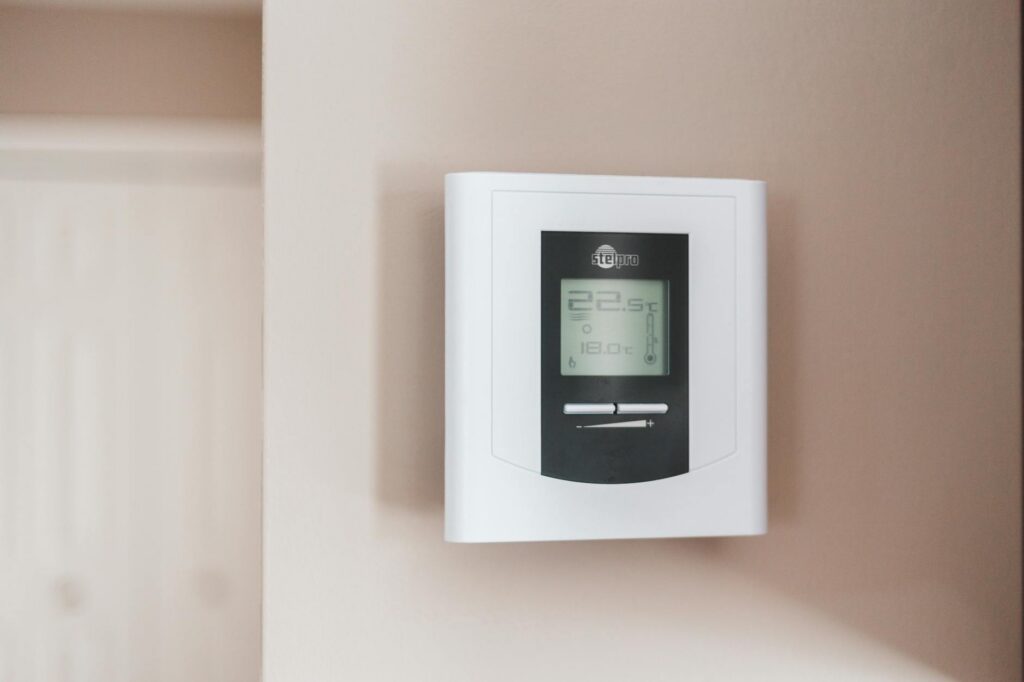
Programmable Thermostat vs Smart Thermostat: Which Saves More?
Smart thermostats typically save 10-15% on heating and cooling costs compared to programmable models, according to research from the U.S. Department of Energy. While programmable thermostats offer basic scheduling at lower upfront costs, smart thermostats provide adaptive learning, remote control, and integration with home automation systems that maximize energy efficiency. The choice depends on your budget, tech comfort level, and how much control you want over your HVAC system.
Understanding Programmable Thermostats and Their Savings Potential
Programmable thermostats have been a staple in energy-conscious homes for over two decades. These devices allow you to set temperature schedules based on time of day and day of week, automatically adjusting your HVAC system without manual intervention.
A programmable thermostat typically reduces energy consumption by 1-3% annually compared to manual adjustment, according to the Department of Energy’s ENERGY STAR program. For a household spending $1,200 annually on heating and cooling, this translates to $12-$36 in yearly savings.
The primary advantage is their affordability. Standard programmable models cost between $50-$150, with installation often handled by homeowners themselves. They’re straightforward to use—most offer 4, 5, or 7-day programming options with simple buttons or basic digital interfaces. Many accommodate multiple temperature setpoints per day, ideal for families with predictable schedules.
However, programmable thermostats have notable limitations. They can’t adjust for unexpected weather changes, occupancy variations, or vacations without manual reprogramming. Energy savings depend entirely on user discipline and proper setup. Studies show that improper programming reduces savings significantly, as many homeowners either program ineffective schedules or don’t reprogram seasonally.
Smart Thermostats: Advanced Efficiency and Real-World Savings
Smart thermostats represent the evolution of temperature control, combining machine learning algorithms with connectivity features. Brands like Ecobee, Nest, and Honeywell produce models that learn your preferences, adjust automatically, and integrate with smartphones and home automation systems.
According to Nest’s own user data analysis, their smart thermostat users save an average of 10-15% on heating costs and 10-23% on cooling costs annually. Ecobee reports similar savings ranges of 8-15% depending on climate and usage patterns. These figures significantly exceed programmable thermostat performance.
Smart thermostats achieve higher savings through several mechanisms. Geofencing tracks your location and adjusts temperatures when you’re away, preventing energy waste in empty homes. Machine learning analyzes weather forecasts and adjusts heating or cooling preemptively. Some models include smart room sensors that optimize comfort across your entire home rather than just the thermostat location. Real-time energy reports encourage behavioral changes that further reduce consumption.
The upfront investment is higher—smart thermostats range from $200-$400, with professional installation adding $100-$200. However, many utilities offer rebates of $75-$150 for smart thermostat purchases, particularly for ENERGY STAR certified models. Over a 10-year lifespan, this investment typically pays for itself through energy savings alone.
Smart thermostats also offer convenience benefits beyond energy savings. Remote control via smartphone lets you adjust temperatures away from home, useful for unexpected schedule changes. Integration with voice assistants like Alexa or Google Home adds hands-free control. Detailed energy reports help identify heating and cooling patterns you might not notice otherwise.
Making the Right Choice for Your Home
Your decision should consider several factors beyond just energy savings. If your household maintains a consistent routine with predictable schedules, a properly programmed programmable thermostat may meet your needs adequately. Renters or those planning to move soon might prefer programmable models since they’re easily portable and don’t require professional installation.
Smart thermostats make sense if you have variable schedules, travel frequently, or want remote control capabilities. Families with irregular work hours or students who come home at different times benefit from adaptive learning rather than fixed schedules. Homeowners prioritizing long-term investment also favor smart models—the energy savings compound over 5-10 years, making the higher upfront cost worthwhile.
Climate matters too. Smart thermostats provide greater savings in climates with variable weather patterns, as their weather-responsive adjustments prevent wasted heating or cooling during seasonal transitions. In stable climates, savings differentials narrow slightly, though smart thermostats still outperform programmable models.
Consider also your home’s age and insulation quality. Homes with poor insulation or air sealing issues may see smaller percentage savings from either thermostat type, though smart models’ adaptive capabilities still provide advantages. Modern, well-sealed homes typically show the highest savings percentages with smart thermostats.
How to Use the Calculator to Estimate Your Potential Savings
To determine realistic energy savings for your specific situation, use our HVAC cost calculator to input your current energy costs, home size, climate zone, and heating/cooling system type. This tool estimates your baseline annual HVAC expenses and projects potential savings with different thermostat upgrades, helping you calculate precise payback periods for smart thermostat investments.
Frequently Asked Questions
Can I install a smart thermostat myself, or do I need a professional?
Many smart thermostats are designed for DIY installation, with detailed app-based guides and video tutorials. Basic wiring knowledge helps, but most homeowners can complete installation in 30-45 minutes. However, if your HVAC system uses unusual wiring (common in older homes or heat pump systems), professional installation for $100-$200 ensures proper setup and avoids costly errors. Professional installation typically includes a system check and optimization, potentially increasing your savings.
How much can I actually save with a smart thermostat?
Average savings range from $10-$40 monthly, or $120-$480 annually, depending on your climate, current heating/cooling costs, and how effectively you adjust settings. A household in a cold climate spending $150 monthly on heating might save $15-$30 monthly during winter months. These savings vary seasonally—heating savings occur in winter, cooling savings in summer—so annual figures average out fluctuations. Your actual savings depend on behavioral changes and local energy prices.
Is a smart thermostat worth the cost?
For most homeowners planning to stay 5+ years, smart thermostats provide excellent ROI through energy savings alone. Add in convenience features (remote control, automated scheduling, weather adaptation), and many homeowners find them worthwhile even at shorter ownership periods. Utility rebates often reduce net costs to $75-$250, shortening payback periods to 1-3 years. If you value home automation integration or have unpredictable schedules, the non-monetary benefits strengthen the case for upgrading.
- Nest Learning Thermostat — Directly addresses the smart thermostat topic and is one of the most popular energy-saving options mentioned in comparisons
- Ecobee SmartThermostat with Voice Control — Leading smart thermostat alternative that delivers the 10-15% energy savings discussed in the post
- Honeywell Home T9 Smart Thermostat — Budget-friendly smart thermostat option that appeals to readers comparing costs between programmable and smart models
Related reading: What Is a Variable Speed HVAC and Why It Saves Energy.
Related: 7 Proven Smart Thermostat Benefits for Energy Savings in 2026
Related: Programmable vs Smart Thermostat: Which Saves More?
Related: How to Install a Programmable Thermostat Yourself
SPONSORED
Estimating Software Built for HVAC Contractors
ArcSite lets you draw site plans, create estimates, and close jobs faster — all from your phone or tablet. Used by 100,000+ field service professionals.
Try ArcSite Free →Affiliate partner — we may earn a commission at no cost to you.
SPONSORED
Need HVAC Cleaning or Home Services?
Cleanster connects homeowners with vetted cleaning and home service professionals. Book online in minutes.
Book a Service →Affiliate partner — we may earn a commission at no cost to you.