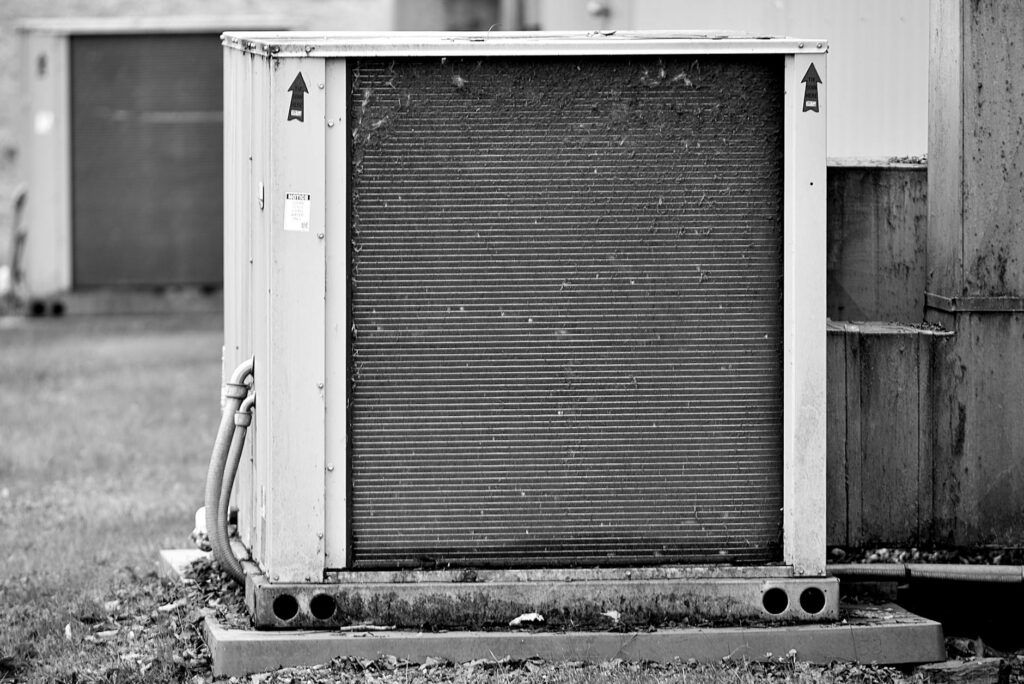
Choosing the right HVAC system for your home is one of the most important decisions you’ll make as a homeowner. An improperly sized unit can waste thousands of dollars in energy costs, fail to maintain comfortable temperatures, and wear out prematurely. Yet many homeowners don’t understand how HVAC sizing works or why it matters so much. This guide will walk you through the essential principles of HVAC sizing, help you understand the calculations involved, and show you how to avoid costly mistakes.
What Is HVAC Sizing and Why Does It Matter?
HVAC sizing refers to calculating the correct heating and cooling capacity your home needs based on square footage, climate zone, insulation quality, window placement, and other factors. This capacity is measured in BTU/h (British Thermal Units per hour) for heating and tons for cooling, where one ton equals 12,000 BTU/h.
An oversized system cycles on and off too frequently, consuming excess energy and failing to dehumidify your home properly. An undersized system runs constantly without reaching desired temperatures, increasing wear and utility bills. According to the U.S. Department of Energy, properly sized HVAC systems can reduce energy consumption by 20 to 40 percent compared to oversized units. Getting the sizing right directly impacts your comfort, energy bills, and equipment lifespan—typically 15 to 20 years for modern systems costing $5,000 to $15,000 installed.
Key Factors That Determine HVAC Sizing
Several critical variables go into calculating the correct HVAC size for your home. Understanding these factors helps you work more effectively with contractors and makes it easier to verify quotes.
Square Footage: The most basic factor is your home’s conditioned square footage—the living space you actually heat and cool. A general rule of thumb suggests 25 to 30 BTU per square foot for cooling in moderate climates, but this varies significantly by location.
Climate Zone: Homes in hot, humid regions like Florida or Texas require larger cooling capacities than homes in mild climates. Northern homes need more heating capacity. The International Code Council divides the U.S. into climate zones that directly influence sizing calculations.
Insulation and Air Sealing: A well-insulated home with air sealing around doors, windows, and ducts requires less HVAC capacity than a poorly sealed older home. Modern homes with R-38 attic insulation need smaller systems than homes with R-11 insulation.
Window Area and Orientation: Large south-facing windows increase cooling loads in summer; north-facing windows minimize this impact. The total window area and quality of glass (single-pane vs. double-pane) significantly affect sizing calculations.
Ductwork Condition: Leaky ducts can reduce system efficiency by 15 to 30 percent. Professional sizing accounts for duct losses when selecting the right capacity.
Number of Occupants and Appliances: More people and heat-generating appliances increase cooling loads. Professional calculations factor in internal heat gain from lights, electronics, and cooking.
How HVAC Sizing Is Calculated: The Manual J Method
Professional HVAC contractors use the ACCA Manual J calculation, the industry standard for sizing heating and cooling systems. This method accounts for all the factors mentioned above and produces a precise BTU requirement for your specific home.
The calculation process involves measuring your home’s dimensions, documenting insulation levels in walls, attics, and basements, noting window specifications, and gathering information about air leakage points. Contractors input this data into specialized software that calculates heating and cooling loads for each room and the entire home.
A proper Manual J calculation typically costs $200 to $500 but is essential for getting accurate sizing. Many reputable contractors provide this calculation free when you obtain a full system quote. The resulting report shows your home needs a specific capacity—for example, 48,000 BTU/h for heating and 36,000 BTU/h (3 tons) for cooling, which might translate to a 4-ton system with dual-fuel capability.
Never rely on rough estimates like “one ton per 400 square feet.” While this rule of thumb provides a starting point, it ignores critical variables like climate, insulation, and construction quality. Two identical-looking homes in different regions or with different insulation levels may need systems differing by 25 percent or more.
Common HVAC Sizing Mistakes to Avoid
Understanding what goes wrong during sizing helps you protect yourself during the purchasing process. The most common mistake is oversizing—selecting a system larger than necessary. Contractors sometimes do this believing “bigger is better,” but this assumption costs you money in initial purchase price, ongoing energy bills, and premature system failure.
Another frequent error is undersizing to save money upfront. While a smaller system costs less initially, you’ll pay far more in energy costs and may experience inadequate heating or cooling, particularly during extreme weather when you need the system most.
Using outdated sizing methods or rule-of-thumb calculations instead of Manual J analysis is extremely common. Some contractors still use formulas based on square footage alone, ignoring your home’s specific characteristics.
Failing to account for future improvements can also cause problems. If you’re planning to add insulation, replace windows, or seal air leaks, your sizing calculation should reflect this planned improvement—potentially allowing for a smaller, more efficient system.
Finally, many homeowners ignore the importance of proper installation. Even a correctly sized system will perform poorly with improper ductwork design, inadequate refrigerant charge, or poor airflow configuration. Always hire a licensed, insured contractor with good references and certifications like NATE (North American Technician Excellence).
HVAC Sizing and Energy Efficiency Ratings
Once you know your required capacity, you’ll encounter efficiency ratings like SEER (Seasonal Energy Efficiency Ratio) for cooling and AFUE (Annual Fuel Utilization Efficiency) for heating. A higher-efficiency system costs more upfront but saves significantly over time.
For example, comparing two 3-ton air conditioning systems: a 13 SEER unit costs approximately $4,500 installed, while a 18 SEER unit costs roughly $6,500. In a hot climate requiring 2,500 cooling hours annually, the 18 SEER system saves about $300 to $500 yearly in electricity costs. Over a 15-year lifespan, this amounts to $4,500 to $7,500 in savings, easily justifying the higher upfront cost.
Federal minimum standards now require 13 SEER for air conditioning and 95 AFUE for gas furnaces. Consider equipment rated at least 15 SEER and 95+ AFUE for optimal long-term savings and comfort, particularly if you plan to stay in your home for more than 10 years.
Using Online Tools and Calculators for Initial Sizing Estimates
While professional Manual J calculations are essential for final sizing decisions, online HVAC sizing calculators can provide initial estimates and help you understand the process. These tools ask questions about your home’s square footage, location, insulation level, and other characteristics, then estimate the required system capacity.
Online calculators are excellent for comparing contractor quotes—if one contractor recommends a system significantly larger than your calculator estimate suggests, ask them to provide detailed Manual J documentation explaining why. This protects you from oversizing and unnecessary expense.
Try our free HVAC sizing calculator to get a quick estimate for your home. This tool provides personalized capacity recommendations and estimated installation costs, giving you a baseline for contractor discussions.
Frequently Asked Questions
What size HVAC system do I need for a 2,000 square foot home?
A 2,000 square foot home in a moderate climate typically needs approximately 4 to 5 tons of cooling capacity (48,000 to 60,000 BTU/h). However, this varies significantly based on your specific location’s climate, your home’s insulation level, and window configuration. A professional Manual J calculation is the only way to determine your exact requirements.
How much does HVAC sizing cost?
A professional Manual J sizing calculation costs $200 to $500 when purchased separately. Many HVAC contractors include this service free when you obtain a system quote. The installed cost of a complete HVAC system ranges from $5,000 to $15,000 depending on system size, efficiency rating, and regional labor costs.
Can I use an undersized HVAC system to save money?
No—undersizing creates long-term problems that cost far more than the initial savings. An undersized system runs continuously without reaching desired temperatures, consuming excess energy and wearing out prematurely. You’ll also experience discomfort, particularly during extreme weather when you need adequate capacity most.
How often should HVAC sizing be recalculated?
If you make significant home improvements like adding insulation, replacing windows, or finishing a basement, recalculate sizing to ensure your system remains appropriately matched to your home’s needs. Most homes don’t require resizing unless substantial changes occur.
What’s the difference between heating and cooling capacity requirements?
Heating and cooling loads are calculated separately because they depend on different factors. Your heating requirement depends on winter outdoor temperatures and how quickly heat escapes your home. Cooling requirement depends on summer heat gain from solar radiation and outdoor temperatures. A home might need 48,000 BTU/h heating but only 36,000 BTU/h cooling, or vice versa.
Conclusion
HVAC sizing is too important to leave to guesswork or outdated estimation methods. Properly sized systems save thousands in energy costs, maintain consistent comfort, and last longer with fewer repairs. Professional Manual J calculations consider your specific home’s characteristics, climate zone, and construction quality—information that generic formulas cannot capture.
- HVAC BTU Calculator & Sizing Tools — Directly complements the guide by providing practical tools homeowners need to measure and calculate their HVAC requirements accurately
- Thermal Imaging Camera for Home Inspection — Helps readers identify heat loss and insulation issues that are critical factors in proper HVAC sizing calculations
- Professional HVAC System Design Software — Enables homeowners and contractors to apply the sizing principles from the guide with professional-grade calculation tools
Related: HVAC Sizing Guide: How to Calculate the Right System Size for Your Home
Related: The Complete Guide to HVAC Sizing: Calculate Your System Needs Accurately
Related: HVAC Sizing: The Complete Guide to Getting Your System Right
Related: The Complete Guide to HVAC Sizing: How to Calculate the Right System for Your Home
SPONSORED
Estimating Software Built for HVAC Contractors
ArcSite lets you draw site plans, create estimates, and close jobs faster — all from your phone or tablet. Used by 100,000+ field service professionals.
Try ArcSite Free →Affiliate partner — we may earn a commission at no cost to you.
SPONSORED
Need HVAC Cleaning or Home Services?
Cleanster connects homeowners with vetted cleaning and home service professionals. Book online in minutes.
Book a Service →Affiliate partner — we may earn a commission at no cost to you.