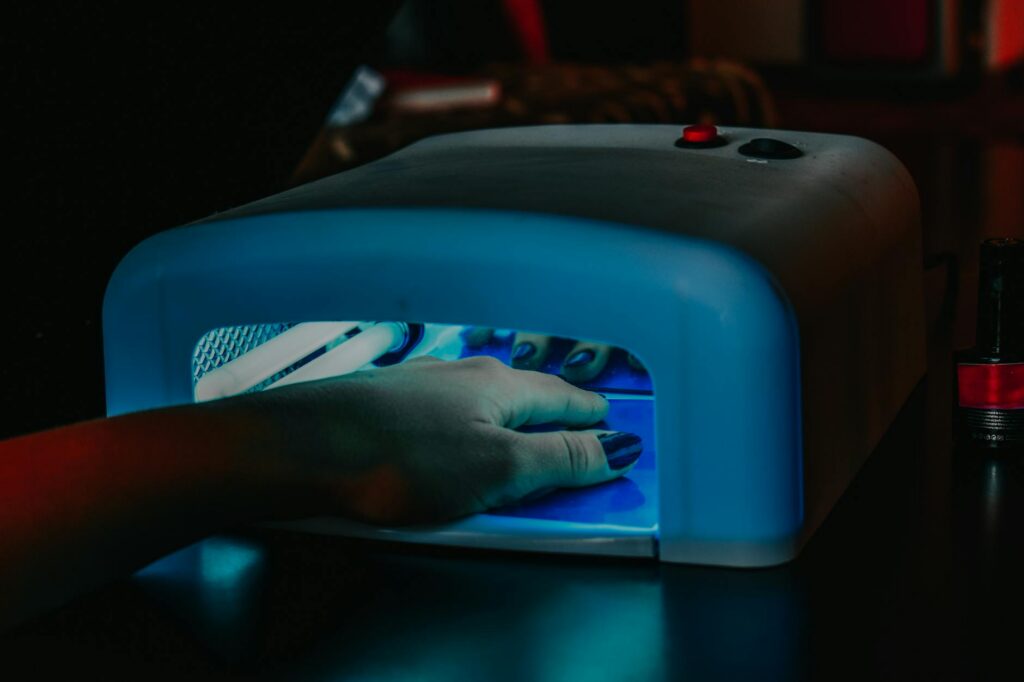
UV lights in HVAC systems actively eliminate airborne pathogens, mold, and bacteria by damaging their DNA, significantly improving your indoor air quality. Installing UV technology in your ductwork or air handler can reduce allergens and prevent microbial growth that compromises both comfort and health. This proven technology works continuously as air circulates through your system, creating cleaner breathing environments for your family.
How UV Light Technology Works in HVAC Systems
Ultraviolet-C (UVC) light operates at a wavelength of 254 nanometers, which directly penetrates and destroys the genetic material of microorganisms. When air passes through your HVAC system, UV lamps emit this light energy that damages bacterial, viral, and fungal cells, rendering them unable to reproduce or cause illness.
There are two main installation approaches for UV systems. Coil sterilization units mount directly above your evaporator coil, preventing mold and bacterial growth on the cooling surfaces where moisture accumulates. Air stream sanitization systems install in the ductwork or air handler, treating all air circulating through your system before it reaches living spaces.
The effectiveness depends on several factors: lamp intensity, exposure time, air velocity, and the type of microorganism targeted. Modern UV HVAC systems use durable lamps rated for 9,000 to 14,000 operating hours, typically lasting one to two years before requiring replacement. The systems require minimal maintenance and operate silently without producing ozone or harmful byproducts.
Health and Air Quality Benefits You’ll Experience
Installing UV lights in your HVAC system delivers measurable improvements to your indoor air quality. Homeowners typically report reduced allergy symptoms, fewer respiratory infections, and less dust accumulation on surfaces. These benefits come from the system’s ability to neutralize common airborne threats before they circulate throughout your home.
UV technology specifically targets problematic microorganisms that thrive in HVAC environments. Mold spores, which commonly develop on cool, moist evaporator coils, are eliminated before releasing into your air. Bacteria like Legionella pneumophila, which can cause serious respiratory infections, are destroyed before multiplication occurs. Virus particles, including influenza and coronavirus types, have their genetic material disrupted, preventing infection.
For families with asthma, allergies, or compromised immune systems, UV light installation provides substantial relief. Children and elderly members of your household benefit most from the reduction in airborne irritants. Pet owners appreciate decreased allergen circulation from dander, while those sensitive to mold find dramatic improvements in symptoms during humid seasons.
The continuous operation means 24/7 protection as long as your HVAC system runs. Unlike portable air purifiers limited to single rooms, UV systems treat all air passing through your entire home’s ductwork, providing comprehensive coverage regardless of which rooms you occupy.
Installation Types and System Considerations
Understanding different UV installation options helps you choose the best solution for your HVAC setup. Coil sterilization lights mount above the evaporator coil in your air handler unit, focusing on the wettest part of your system where mold thrives. These units are ideal if coil fouling and mold growth represent your primary concerns. Installation typically costs between $300 and $600 for materials and labor.
In-duct UV systems install directly in your ductwork, treating all circulating air before distribution. These units work well for comprehensive air treatment and fit various duct configurations. They require adequate duct space and may need professional installation to ensure proper placement and electrical connections. Expect installation costs ranging from $400 to $800.
Whole-home UV systems integrate into your air handler unit itself, providing maximum treatment efficiency. Professional installation is recommended for this option, though retrofit kits exist for existing systems. These comprehensive solutions typically cost $500 to $1,000 installed.
Compatibility matters when selecting UV systems. Most modern HVAC systems accommodate UV installation without modifications, but your specific equipment should be evaluated by an HVAC professional. Factors like ductwork diameter, air handler dimensions, and electrical availability influence which installation type works best for your situation.
Calculate Your HVAC System Requirements
Before installing UV lights, understand your system’s specifications and capacity needs. Our HVAC BTU Calculator helps you determine whether your current system adequately conditions your space, which directly impacts air circulation rates and UV treatment effectiveness. Proper system sizing ensures optimal UV light exposure time for maximum pathogen elimination.
Frequently Asked Questions
Are UV lights safe for my home and family?
Yes, UV-C light systems installed in HVAC ductwork are completely safe for occupied spaces. The light remains contained within sealed ducts or air handler units, preventing direct human exposure. The UV lamps produce no ozone or harmful chemical byproducts. Safety standards established by the EPA and ASHRAE confirm that properly installed HVAC UV systems pose no health risks to families, pets, or household members. Your HVAC professional ensures all safety protocols are followed during installation.
How often do UV lamps need replacement?
Most UV lamps in HVAC systems require replacement every 12 to 24 months depending on usage hours and specific lamp quality. Premium lamps rated for 14,000 hours last longer than standard 9,000-hour rated units. Your HVAC system typically runs 8-12 hours daily, so a 9,000-hour lamp lasts approximately 2-3 years. Replacing lamps annually ensures maximum effectiveness, as lumen output gradually decreases over time. Lamp replacement costs typically range from $75 to $150 per unit.
Can UV lights eliminate all airborne contaminants?
UV-C light effectively eliminates bacteria, viruses, mold spores, and fungal particles, but it works best combined with mechanical filtration. Larger particles like dust, pet dander, and pollen respond better to high-efficiency filters (MERV 11 or higher). The most effective air quality strategy combines UV light technology with quality filter changes every 3 months. This dual approach addresses both visible particles and microscopic biological contaminants that UV light targets, providing comprehensive indoor air purification.