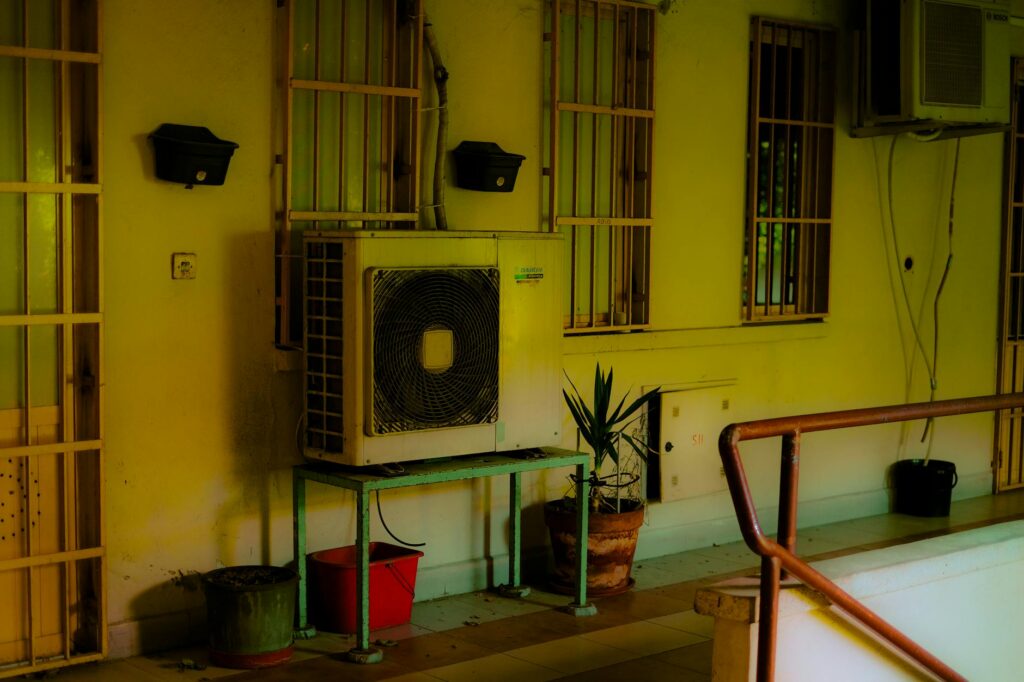
A variable speed HVAC system automatically adjusts its compressor and blower motor speeds to match your home’s heating and cooling demands, rather than running at full capacity continuously. This intelligent technology can reduce energy consumption by 20-40% compared to traditional single-stage systems, making it one of the most effective upgrades for homeowners seeking lower utility bills. Understanding how these systems work helps you make informed decisions about your home comfort investment.
How Variable Speed HVAC Systems Work
Traditional HVAC systems operate like a light switch—they’re either completely on or completely off. When your thermostat detects temperature changes, the system kicks into full-speed operation until the desired temperature is reached, then shuts down entirely. This on-off cycling creates temperature swings and wastes significant energy during the startup phase.
Variable speed systems, by contrast, feature inverter-driven compressors and modulating blower motors that continuously adjust their operating speed. These systems ramp up gradually to meet your comfort needs and can maintain consistent temperatures at lower speeds most of the time. The compressor might run at 40% capacity on a mild day, ramping up to 100% only during extreme weather conditions.
This variable operation delivers several advantages: reduced energy consumption, quieter operation, improved humidity control, and more consistent indoor temperatures. The system’s ability to fine-tune output means it reaches your desired temperature efficiently without overshooting or the dramatic temperature fluctuations common with traditional systems.
Why Variable Speed Technology Saves Energy
Energy savings with variable speed HVAC systems stem from several interconnected factors. The most significant is reduced compressor runtime. Since the system doesn’t cycle on and off repeatedly, it avoids the energy surge that occurs during startup. A compressor uses the most energy when it first engages, similar to how a car uses more fuel accelerating from a stop than cruising at steady speed.
Variable speed motors also operate at peak efficiency when running at partial loads. Most HVAC components are engineered for optimal performance in the 40-70% capacity range, not at maximum output. By allowing systems to operate within this sweet spot throughout most of the year, variable speed technology maximizes efficiency during normal conditions.
Additionally, these systems improve dehumidification performance. Traditional systems cool quickly and shut down before adequately removing humidity. Variable speed systems run longer at lower speeds, giving the evaporator coil more time to extract moisture from the air. Better humidity control reduces the need for subsequent cooling cycles, further lowering energy demand.
The technology also minimizes ductwork losses. Blower fans in variable speed systems run more continuously at lower speeds rather than creating powerful bursts of air. This reduces air leakage through duct seams and improves distribution efficiency throughout your home.
Comparing Variable Speed to Traditional Systems
Single-stage traditional systems represent the baseline in HVAC technology. They run at full capacity whenever activated, offering no modulation between on and off states. Annual energy consumption is typically 15-20% higher than variable speed alternatives. Homeowners also experience noticeable temperature fluctuations and higher humidity levels during cooling season.
Two-stage systems offer a middle ground, featuring a low-speed and high-speed mode. These provide moderate improvements over single-stage systems but lack the fine-tuning capability of true variable speed equipment. Two-stage systems typically save 10-15% in energy costs.
Variable speed systems represent the premium option with the highest efficiency ratings and best performance characteristics. While initial installation costs run 15-25% higher than single-stage systems, the energy savings typically recover this investment within 5-7 years. After that point, superior efficiency directly increases your financial returns.
Consider your climate when evaluating the investment. Regions with longer heating and cooling seasons see faster payback periods. If you spend most of the year in light heating or cooling mode, variable speed systems excel because they operate frequently at the efficiency-optimized partial loads.
Calculate Your System Size Requirements
Selecting the right capacity variable speed system is critical for achieving optimal efficiency and comfort. An undersized system won’t meet peak demands, while oversizing causes excessive cycling and defeats the efficiency advantages. Use our HVAC Size Calculator to determine the appropriate tonnage for your home based on square footage, insulation quality, window count, and climate zone. Proper sizing ensures your variable speed system operates in its efficiency sweet spot year-round.
Frequently Asked Questions
What temperature difference will I notice with a variable speed system?
Most homeowners report temperature variations of only 0.5-1°F with variable speed systems, compared to 2-3°F with traditional units. This superior consistency creates greater comfort, especially in multi-story homes where temperature stratification is common. The gradual adjustments maintain your setpoint more precisely throughout the day.
Are variable speed systems reliable and durable?
Variable speed technology has proven reliable over two decades of residential use. Modern inverter compressors are built to handle continuous modulation with enhanced durability compared to traditional compressors that undergo repeated start-stop stress. Most manufacturers offer 10-year warranties on variable speed compressors. Regular maintenance—annual filter changes and professional tune-ups—keeps these systems operating optimally for 15-20+ years.
Can I retrofit a variable speed system into my existing home?
Yes, variable speed units can be installed as replacements for traditional systems in existing homes, though some considerations apply. Your ductwork should be in good condition with proper sealing, as inefficient ducts undermine variable speed efficiency benefits. Your thermostat may need upgrading to communicate with the new system’s advanced controls. A qualified HVAC professional can assess your existing infrastructure and recommend necessary modifications to ensure the new system performs optimally.
- Programmable Smart Thermostat — Smart thermostats optimize variable speed HVAC system performance by intelligently scheduling temperature adjustments and learning user preferences, maximizing the energy-saving benefits discussed in the post.
- HVAC System Energy Monitor — Allows homeowners to track and measure the actual energy savings achieved by their variable speed systems, helping them understand the ROI and efficiency gains mentioned in the article.
- Furnace/AC Maintenance Kit — Regular maintenance is essential to maintain peak efficiency of variable speed HVAC systems; filters and cleaning supplies help preserve the 20-40% energy savings potential highlighted in the post.
Related reading: What Is a Variable Speed HVAC and Why It Saves Energy.
SPONSORED
Estimating Software Built for HVAC Contractors
ArcSite lets you draw site plans, create estimates, and close jobs faster — all from your phone or tablet. Used by 100,000+ field service professionals.
Try ArcSite Free →Affiliate partner — we may earn a commission at no cost to you.
SPONSORED
Need HVAC Cleaning or Home Services?
Cleanster connects homeowners with vetted cleaning and home service professionals. Book online in minutes.
Book a Service →Affiliate partner — we may earn a commission at no cost to you.