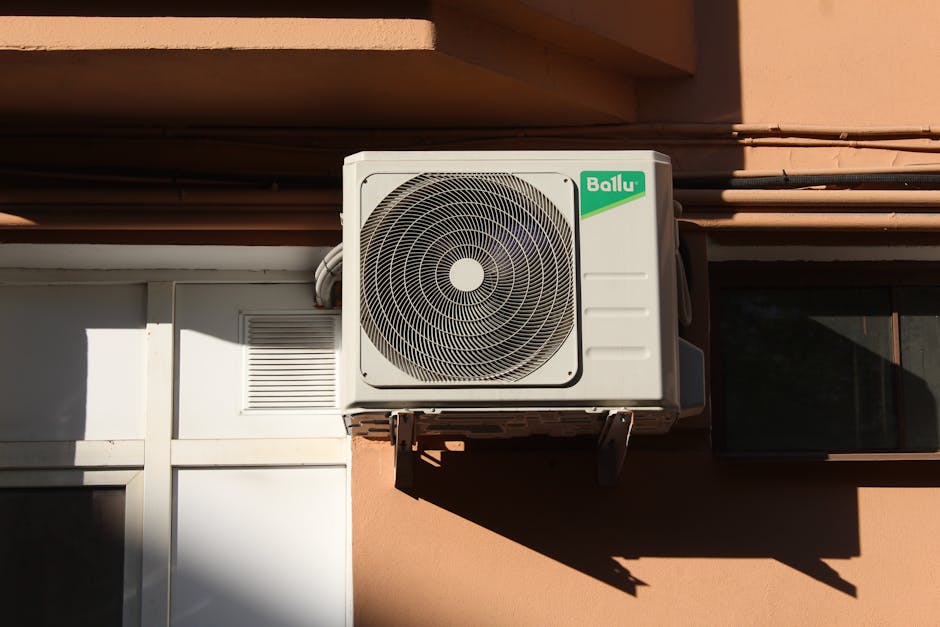
In 2026, homeowners can claim up to $2,000 in federal tax credits for upgrading to high-efficiency air conditioners. Additional state rebates and utility incentives may provide extra savings. Credits require SEER2 ratings of 16 or higher. Check Energy.gov for current programs.
Federal Tax Credits for High Efficiency Air Conditioners in 2026
The federal government continues supporting homeowners who invest in energy-efficient cooling systems. For 2026, the tax credit structure remains attractive for those upgrading from older, inefficient units.
The maximum federal tax credit available is $2,000 per household for qualifying air conditioner installations. This credit applies to your federal income tax return and can significantly offset installation costs. Unlike rebates that reduce your upfront costs, tax credits reduce the taxes you owe to the federal government dollar-for-dollar.
To qualify for federal air conditioner tax credits, your unit must meet specific efficiency standards. The SEER2 rating (Seasonal Energy Efficiency Ratio 2) measures cooling efficiency under real-world conditions. Your system must achieve a minimum SEER2 rating of 16 to qualify for the tax credit. Higher-efficiency units with SEER2 ratings of 18, 20, or above may be eligible for enhanced benefits, depending on the specific year’s regulations.
Installation must occur in your primary residence—second homes and rental properties generally don’t qualify. The system must be new equipment, not a used unit. Keep all documentation, including the manufacturer’s specifications showing the SEER2 rating and the contractor’s invoice showing installation date and costs.
What is the maximum tax credit for a high efficiency air conditioner in 2026?
The maximum federal tax credit for a high-efficiency air conditioner in 2026 is $2,000. This applies to qualified systems with SEER2 ratings of 16 or higher installed in your primary residence. You’ll claim this credit when filing your federal income tax return for the year of installation.
State and Local Rebate Programs for AC Units
Beyond federal tax credits, many states and local utility companies offer additional rebates for high-efficiency air conditioners. These programs exist because upgrading cooling systems reduces energy consumption across communities, lowering strain on the electrical grid.
State rebate amounts vary dramatically. Some states offer $500–$1,500 additional rebates for qualifying air conditioner installations, while others may provide smaller incentives. Utility-sponsored programs are often the most generous—some utilities rebate $1,000 or more for upgrading to high-efficiency cooling systems.
To find available programs in your area, start by contacting your local utility company directly. Many utilities maintain online databases of current HVAC rebate programs with eligibility requirements and application deadlines. Your state’s energy office also tracks state-level incentives. Many states coordinate with the Department of Energy to publicize available programs.
Timeline matters significantly. Some rebate programs operate on first-come, first-served bases with limited annual funding. If you’re planning an AC upgrade, applying for rebates before your installation date ensures you don’t miss deadlines. Some programs require pre-approval before purchase, while others allow you to claim rebates after installation is complete.
Which air conditioners qualify for federal tax credits and rebates?
Air conditioners qualify for federal tax credits and rebates when they meet specific efficiency standards. The primary requirement is a SEER2 rating of 16 or higher. SEER2 represents the cooling efficiency ratio under realistic operating conditions, replacing the older SEER standard.
Different types of cooling systems qualify: central air conditioners, heat pumps, and mini-split systems with qualifying SEER2 ratings all potentially qualify. The equipment must be new—not refurbished or used. Installation must occur in your primary residence by a licensed contractor.
Check the manufacturer’s specification sheet for the exact SEER2 rating before purchasing. Retailers and contractors should clearly label equipment with current SEER2 ratings. Don’t assume that newer equipment automatically qualifies—verify the specific model’s rating against current federal requirements.
How to Calculate Your Potential Savings
Understanding your total potential savings requires calculating three components: federal tax credits, state/utility rebates, and long-term energy savings from operating a high-efficiency system.
Start with the baseline: your current cooling costs. An aging air conditioner with a SEER2 rating of 10 or lower consumes significantly more energy than a modern SEER2 16 unit. The difference in annual energy consumption directly translates to utility bill savings.
Use our air conditioner calculator to estimate your current system’s operating costs versus a high-efficiency replacement. Input your current system’s age and efficiency rating, along with your local electricity rates, to generate accurate cost comparisons.
Next, add your available incentives. Federal tax credit: up to $2,000. State rebate: varies by location (typically $500–$1,500). Utility rebate: check with your provider (often $500–$1,000). These upfront incentives reduce your net installation cost immediately.
Finally, calculate annual energy savings. A typical household upgrading from an older 10 SEER2 unit to a 16+ SEER2 system saves 20–30% on cooling costs annually. If you currently spend $1,200 yearly on cooling, expect to save $240–$360 per year. Over a 15-year system lifespan, that’s $3,600–$5,400 in operational savings—above and beyond rebates and tax credits.
Eligibility Requirements and SEER2 Ratings
Meeting eligibility requirements ensures your rebate and tax credit claims succeed. Several factors determine whether your installation qualifies for available incentives.
Property Requirements: Your residence must be your primary home, not a rental property or vacation home. Some state programs make limited exceptions for certain rental properties, but most federal credits apply only to owner-occupied residences.
Equipment Requirements: The air conditioning system must be new equipment installed after the incentive program’s start date. SEER2 rating must be 16 or higher for federal credits. Most state programs follow federal minimum standards, though some states offer enhanced incentives for SEER2 18 or higher units.
Contractor Requirements: Installation must be performed by a licensed HVAC contractor. DIY installations typically don’t qualify for federal tax credits. The contractor should provide documentation of the installation date, equipment specifications, and system model numbers for your records.
Timing Requirements: The system must be placed in service (fully installed and operational) during the tax year you claim the credit. For 2026 credits, installation must be completed by December 31, 2026. Many rebate programs have earlier deadlines, so don’t wait until year-end to apply.
Keep all documentation: purchase receipts, contractor invoices, manufacturer specification sheets showing SEER2 ratings, and any rebate approval forms. These documents prove eligibility if questions arise during tax filing.
How to Claim Your AC Rebates and Tax Credits
Claiming rebates and tax credits involves separate processes. Start rebate applications before or immediately after installation—some utilities require pre-approval. Submit rebate forms with required documentation (proof of purchase, installation receipt, equipment serial numbers) to your utility company or state energy office.
For federal tax credits, complete IRS Form 5695 (Residential Energy Credits) and file it with your federal tax return for the year installation occurred. You’ll need your contractor’s documentation confirming the SEER2 rating and installation date. If you use a tax preparer, provide them with these documents before filing.
- SEER2 16+ High Efficiency Air Conditioner Units — Directly addresses the post’s focus on high-efficiency AC systems qualifying for $2,000 federal tax credits with SEER2 ratings of 16 or higher
- HVAC System Calculator & Load Estimation Tools — Complements the site’s core purpose by helping homeowners accurately size AC systems before upgrading, ensuring proper efficiency ratings and rebate eligibility
- Home Energy Audit Kit & Thermal Imaging Camera — Helps homeowners identify energy inefficiencies and prepare for AC upgrades, supporting informed decisions about rebate-eligible high-efficiency systems
Related: 5 Proven Ways to Cut Your Summer 2026 AC Costs: Window vs Central Air
Related: High-Efficiency AC Rebates & Tax Credits 2026
Related: High Efficiency AC Rebates & Tax Credits 2026
Related: 5 Ways to Lower Your Central AC Installation Cost in 2026
SPONSORED
Estimating Software Built for HVAC Contractors
ArcSite lets you draw site plans, create estimates, and close jobs faster — all from your phone or tablet. Used by 100,000+ field service professionals.
Try ArcSite Free →Affiliate partner — we may earn a commission at no cost to you.
SPONSORED
Need HVAC Cleaning or Home Services?
Cleanster connects homeowners with vetted cleaning and home service professionals. Book online in minutes.
Book a Service →Affiliate partner — we may earn a commission at no cost to you.