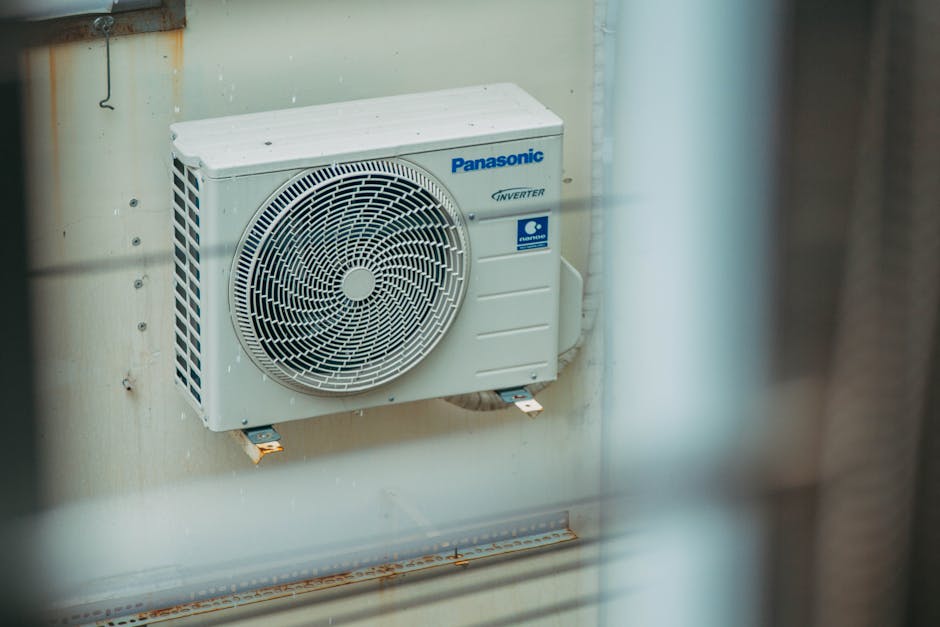
Central AC installation costs in summer 2026 typically range from $5,000 to $12,000 depending on system size, efficiency rating, and geographic location. Installing now helps avoid peak-season price premiums and ensures cooler comfort before extreme heat arrives.
Average Central AC Installation Costs in Summer 2026
What is the average cost of central AC installation in 2026?
The average central AC system cost has climbed steadily over the past few years, reflecting inflation, labor availability, and refrigerant regulations. In summer 2026, homeowners can expect to invest between $5,000 and $12,000 for a complete central air conditioning installation, with most installations clustering around $7,500 to $9,500 for mid-range systems.
This pricing breaks down roughly as follows:
- Basic systems (13-15 SEER): $5,000–$7,500
- Mid-range systems (16-18 SEER): $7,500–$9,500
- High-efficiency systems (19+ SEER): $9,500–$12,000+
These estimates include the AC unit itself, ductwork modifications, labor, and basic installation. However, according to the Department of Energy, prices vary significantly by region, home size, and existing infrastructure.
How much does it cost to install a new central air conditioning system?
The true cost of installing a new central air conditioning system extends beyond the equipment price tag. You’ll need to factor in:
- Unit size and capacity (measured in tons)
- Efficiency rating (SEER2 standard for 2026 units)
- Ductwork inspection and potential repairs
- Refrigerant type and charge
- Electrical upgrades if required
- Permit and inspection fees
Using an AC unit size calculator helps you determine the exact capacity needed for your home, which directly impacts installation cost. Oversizing increases expenses unnecessarily, while undersizing reduces cooling efficiency and drives up operating costs.
Factors That Affect AC Installation Pricing
Understanding what drives air conditioning installation prices helps you make informed decisions and budget accurately.
System Size and Capacity: Larger homes require larger AC units. A 2,000 square-foot home typically needs a 3-4 ton system, while a 4,000 square-foot home might require a 5-6 ton unit. Each additional ton of capacity adds $1,500–$2,000 to the total cost.
Efficiency Ratings: Higher SEER2 ratings reduce long-term energy costs but increase upfront expenses. A 16 SEER2 unit costs roughly 15–20% more than a 13 SEER2 model, but delivers measurable savings on monthly cooling bills. Over a 15-year lifespan, efficient systems often pay for themselves through lower electricity consumption.
Geographic Location: Labor costs, local permitting fees, and regional market demand influence HVAC installation summer 2026 pricing. Installation in urban areas typically costs 10–25% more than rural regions due to higher labor rates.
Existing Infrastructure: Homes with outdated or damaged ductwork may require additional repairs. Sealed duct systems reduce energy loss and improve efficiency, but retrofitting older homes can add $1,000–$3,000 to project costs.
Refrigerant Type: Newer, environmentally-friendly refrigerants required in 2026 systems cost more than legacy options but comply with EPA regulations and support long-term sustainability.
Why You Should Install Before Peak Summer Season
Timing your installation strategically saves money and ensures reliable comfort. Several compelling reasons support early-season installation:
Avoid Peak-Season Pricing: Demand peaks during June through August when homeowners scramble to replace failed systems. Contractors charge premium rates—sometimes 20–40% higher—during peak demand. Installing in spring or early summer lets you secure better pricing and faster scheduling.
Contractor Availability: Experienced, reputable contractors book quickly during summer. Installing in May or early June guarantees you can work with established professionals rather than settling for less experienced crews.
System Reliability Testing: New installations benefit from thorough testing under typical operating conditions. Summer heat stress tests reveal any performance issues before extreme temperatures demand maximum output.
Energy Savings Commence Immediately: A high-efficiency system installed in late spring operates throughout the cooling season, reducing your energy bills starting immediately. Every summer month your new system runs delivers utility savings that compound over time.
Ways to Save on Central AC Installation
Strategic choices reduce central AC system cost without sacrificing comfort or reliability:
Choose Right-Sized Equipment: Properly sizing your unit prevents overpaying for unnecessary capacity. An AC tonnage calculator determines exact requirements based on square footage, insulation, window count, and climate zone. Right-sized systems operate more efficiently and cost less upfront.
Invest in Mid-Range Efficiency: Premium high-efficiency units deliver diminishing returns in some climates. A 16 SEER2 system balances upfront cost with meaningful energy savings for most homeowners—offering better value than entry-level or ultra-premium options.
Bundle Services: Request quotes that bundle furnace replacement with AC installation if you need both. Package deals often include discounts on labor and materials.
Explore Rebates and Incentives: Federal tax credits, state rebates, and utility company incentives offset installation expenses. Check with your local utility provider—many offer rebates for high-efficiency system installations.
Plan Ahead: Scheduling installation during off-peak periods (April, May, or September) secures better rates than emergency summer replacements.
Getting Accurate Quotes from HVAC Contractors
Comparing multiple quotes ensures you receive fair pricing and quality workmanship:
- Request quotes from at least three established contractors
- Ensure quotes specify equipment model, efficiency rating, and warranty terms
- Verify contractor licensing, insurance, and customer reviews
- Ask about labor guarantees and follow-up service plans
- Confirm quotes include permits, inspections, and old unit disposal
Detailed quotes reveal the true cost of installation and help you understand where your budget allocation goes. Comparing vague estimates wastes time and leads to hidden costs later.
How to Use the Calculator
Estimating your specific AC installation expenses becomes straightforward using HVAC sizing tools. Our HVAC installation cost calculator guides you through key variables—home size, climate zone, existing ductwork condition, and desired efficiency level—to generate customized cost estimates for your situation.
Input your details, and the calculator provides realistic pricing ranges aligned with 2026 market conditions. This information strengthens contractor negotiations and prevents budget surprises.
FAQ
Will central AC installation costs increase further in 2026?
Pricing pressure remains
- Smart Thermostat (Programmable) — Complements AC installation by helping homeowners optimize energy efficiency and reduce cooling costs after installation
- HVAC System Maintenance Kit — Essential for maintaining newly installed AC systems, extending lifespan, and ensuring peak performance to protect the investment
- Window Air Conditioner Units — Budget-friendly alternative or supplementary cooling solution for homeowners exploring cost-saving options before committing to central AC
See also: HVAC Maintenance Schedule: What to Do Every Season
Related: Central Air Installation Cost: What You Need to Know in 2026
Related: Central AC Installation Cost Summer 2026: Beat the Rush
SPONSORED
Estimating Software Built for HVAC Contractors
ArcSite lets you draw site plans, create estimates, and close jobs faster — all from your phone or tablet. Used by 100,000+ field service professionals.
Try ArcSite Free →Affiliate partner — we may earn a commission at no cost to you.
SPONSORED
Need HVAC Cleaning or Home Services?
Cleanster connects homeowners with vetted cleaning and home service professionals. Book online in minutes.
Book a Service →Affiliate partner — we may earn a commission at no cost to you.