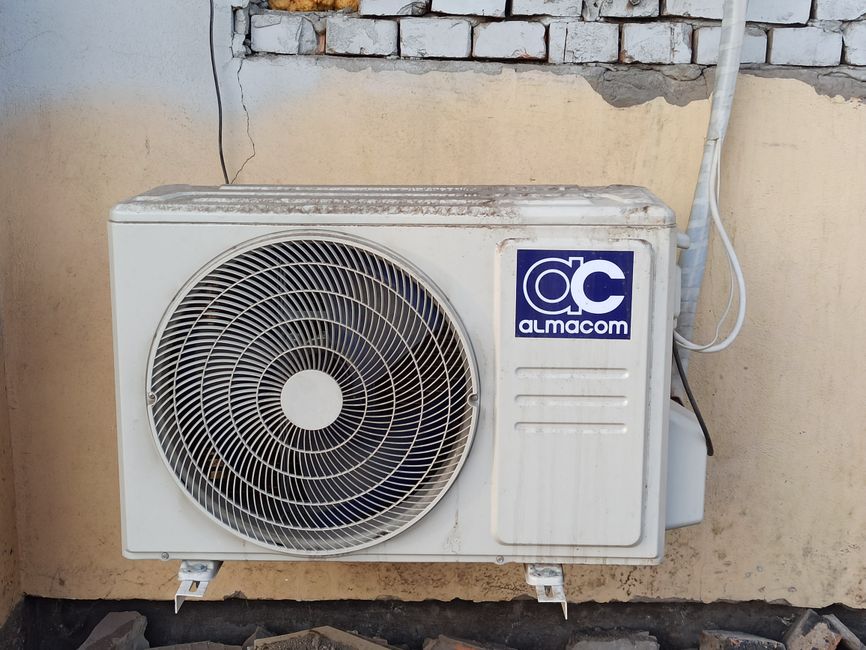
Ductless mini split systems are sized by calculating BTU (British Thermal Units) needed based on room square footage, insulation, and climate zone. A general rule is 20 BTU per square foot, with adjustments for factors like sun exposure and occupancy patterns. Proper sizing ensures efficient heating and cooling while preventing energy waste and equipment strain.
What Are Ductless Mini Split Systems?
Ductless mini split systems represent a modern alternative to traditional central HVAC. These systems consist of an outdoor compressor unit connected to one or more indoor wall-mounted air handlers via refrigerant lines. Unlike conventional systems, they eliminate the need for extensive ductwork, making installation faster and less invasive.
According to the U.S. Department of Energy, ductless heat pumps can reduce energy consumption by 25-50% compared to electric resistance heating in certain climates because they use heat pump technology to transfer warmth rather than generate it. This efficiency makes them particularly attractive for homeowners seeking to lower operating costs while maintaining precise temperature control in individual rooms or zones.
Mini split systems work year-round, providing both heating and cooling capabilities. They’re ideal for room additions, basements, attics, or homes where installing ductwork is impractical or prohibitively expensive.
How to Calculate the Right Size for Your Ductless Mini Split System
Sizing a ductless mini split correctly is critical to performance and efficiency. Undersized units struggle to reach desired temperatures, while oversized systems cycle on and off frequently, wasting energy and increasing wear on components.
What size ductless mini split do I need for my home?
Start with the basic calculation: multiply your room’s square footage by 20 BTU. For example, a 300-square-foot bedroom requires roughly 6,000 BTU. However, this baseline needs adjustment based on several factors:
- Climate Zone: Colder climates may require 25-30 BTU per square foot, while warmer regions might need only 15-20 BTU.
- Insulation Quality: Well-insulated rooms need less capacity; poorly insulated spaces require more.
- Sun Exposure: South-facing rooms with large windows gain significant solar heat, requiring 10-25% additional capacity.
- Ceiling Height: Rooms with vaulted or cathedral ceilings need upward adjustments of 10-20%.
- Occupancy Patterns: Rooms with multiple occupants or frequent use may benefit from slightly larger units.
- Equipment in the Room: Kitchens, home offices, and rooms with heat-generating appliances need additional cooling capacity.
For multi-zone installations covering an entire home, sum the BTU requirements for all rooms, then add 15-20% for distribution efficiency losses. Most residential installations range from 18,000 to 36,000 BTU total capacity.
How to Use the Mini Split Sizing Calculator
Rather than performing manual calculations, our ductless HVAC sizing calculator streamlines the process by automatically accounting for climate zone, insulation type, and room characteristics. Simply input your room dimensions and select relevant factors—the tool generates a precise BTU recommendation within seconds.
The calculator uses industry-standard methodologies aligned with manufacturer guidelines to ensure accuracy. After receiving your sizing recommendation, cross-reference it with available unit models to find options matching your calculated capacity range.
Installation Costs and Labor Expenses
How much does it cost to install a ductless mini split system?
Mini split system installation costs vary significantly based on unit capacity, the number of zones, and regional labor rates. Here’s what homeowners should expect:
- Single-Zone Systems (9,000-12,000 BTU): $2,500-$4,500 installed
- Dual-Zone Systems (18,000-24,000 BTU): $4,000-$7,000 installed
- Triple-Zone Systems (27,000-36,000 BTU): $6,000-$10,000 installed
- Four+ Zone Systems: $8,000-$15,000+ installed
Equipment typically accounts for 40-50% of total cost, while labor represents 50-60%. Additional expenses include:
- Electrical work: $500-$1,500 (permits, wiring, disconnects)
- Refrigerant line extensions: $200-$500 per 25 feet beyond standard 25-foot length
- Wall penetrations and indoor unit mounting: $200-$800
- Permits and inspections: $100-$500 (varies by jurisdiction)
Labor-intensive factors include outdoor unit placement (on ground level vs. roof), distance between indoor and outdoor units, and indoor wall preparation. A 200-foot separation between components can add $1,000-$2,000 to installation costs.
Energy Efficiency and Operating Costs
Operating costs for ductless systems depend on local electricity rates, seasonal usage, and system efficiency ratings. Most ductless mini splits have SEER2 ratings (Seasonal Energy Efficiency Ratio) between 18-26, compared to 13-15 for older central AC units.
A properly sized 18,000 BTU mini split costs approximately $30-$60 monthly to operate during peak cooling season, based on $0.12-$0.15 per kilowatt-hour electricity rates. Heating costs vary by climate but typically run 20-30% less than operating air conditioning due to heat pump efficiency.
An important statistic from industry data shows that ductless systems experience zero ductwork losses—traditional ducted systems lose 20-30% of conditioned air through leaks and poor insulation, making mini splits inherently more efficient when properly sized.
Consider using our cooling capacity calculator to estimate monthly operating costs based on your specific system size and local energy rates.
Mini Split vs Traditional HVAC Systems
Ductless mini splits offer distinct advantages over traditional central HVAC systems, particularly in specific applications. Central systems excel at conditioning entire homes uniformly, while mini splits provide zone-based temperature control with minimal infrastructure.
Traditional systems cost $4,000-$8,000 for complete installation in existing homes (including ductwork), whereas mini splits start at $2,500-$3,500 for basic single-zone setups. However, central systems become more cost-effective when conditioning larger areas, as mini split costs increase with each additional zone.
Energy efficiency differs slightly—mini splits avoid duct losses but require proper sizing. Oversized central systems are more forgiving than oversized mini splits, which cycle inefficiently. For maximum efficiency in either system, professional sizing following manufacturer guidelines is essential.
Frequently Asked Questions
Can I install a ductless mini split system myself?
While outdoor unit placement and basic installation are straightforward, refrigerant line connections, electrical work, and evacuation of the refrigerant circuit require EPA-certified technicians. Most manufacturers void warranties on DIY installations. Hiring licensed professionals ensures proper operation, safety compliance, and warranty protection. Labor costs ($1,500-$3,000) are worth the investment for reliable, code-compliant installation.
How long do ductless mini
Recommended Resources:- Kill A Watt Meter — Helps homeowners measure actual energy consumption of mini split systems after installation to verify efficiency claims and optimize settings
- Digital Psychrometer/Thermohygrometer — Essential tool for measuring room temperature and humidity levels during mini split sizing calculations and system commissioning
- HVAC Ductless Mini Split Installation Kit — DIY-friendly installation accessories and tools that complement the sizing guide for homeowners considering self-installation or monitoring professional work
- Kill A Watt Meter — Helps homeowners measure actual energy consumption of mini split systems after installation to verify efficiency claims and optimize settings
- Digital Psychrometer/Thermohygrometer — Essential tool for measuring room temperature and humidity levels during mini split sizing calculations and system commissioning
- HVAC Ductless Mini Split Installation Kit — DIY-friendly installation accessories and tools that complement the sizing guide for homeowners considering self-installation or monitoring professional work
See also: Air Purifier vs HVAC Filter: Do You Need Both?
See also: How to Clean Your AC Condenser Coils Step by Step
See also: HVAC Maintenance Schedule: What to Do Every Season
Related: Packaged AC Units vs Split Systems: 7 Sizing and Cost Differences in 2026
Related: What Is a Mini Split System and Is It Right for You?
Related: Mini-Split Installation Cost: What to Expect in 2026
Related: How to Size Mini-Split Systems: Capacity Guide for 2026 Models
Related: Complete Guide to Central AC Installation Cost Summer 2026: Beat the Rush
SPONSORED
Estimating Software Built for HVAC Contractors
ArcSite lets you draw site plans, create estimates, and close jobs faster — all from your phone or tablet. Used by 100,000+ field service professionals.
Try ArcSite Free →Affiliate partner — we may earn a commission at no cost to you.
SPONSORED
Need HVAC Cleaning or Home Services?
Cleanster connects homeowners with vetted cleaning and home service professionals. Book online in minutes.
Book a Service →Affiliate partner — we may earn a commission at no cost to you.