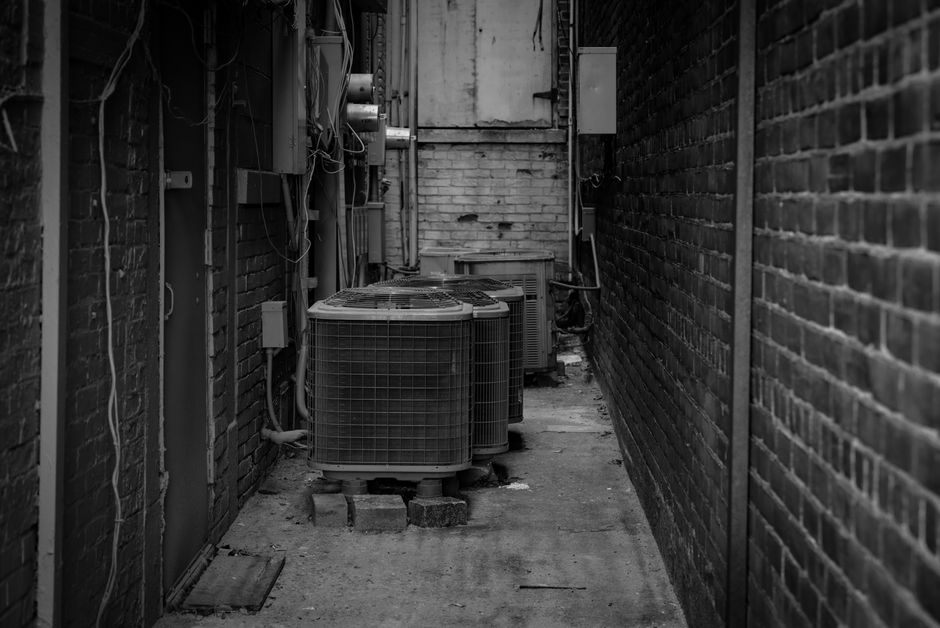
Dehumidifiers in HVAC systems remove excess moisture from indoor air, maintaining relative humidity between 30–50%. They work alongside your cooling system to prevent mold growth, improve air quality, and enhance comfort while optimizing energy efficiency and system performance. (Related: Heat Pump Sizing Calculator: How to Right-Size a Heat Pump for Maximum Energy Savings and Lower Bills) (Related: Tons of Cooling Calculator: Size Your AC System Right) (Related: Air Handler vs Air Conditioner: The Complete 2026 Difference Guide) (Related: How Climate Resilience Programs Impact HVAC Sizing and Cooling Demand in Urban Areas) (Related: How to Read Your AC Unit Nameplate: The Complete 2026 Guide) (Related: How to Size a Furnace for Your Home: Complete 2026 Guide)
Understanding Humidity in HVAC Systems
Indoor humidity levels have a direct impact on how comfortable, healthy, and energy-efficient your home feels year-round. When relative humidity climbs above 50%, your living space can feel sticky and oppressive even at moderate temperatures. Below 30%, the air becomes dry enough to irritate skin, aggravate respiratory conditions, and damage wood flooring or furniture.
Your HVAC system is already doing some moisture removal as a byproduct of cooling — when warm air passes over a cold evaporator coil, water vapor condenses and drains away. However, this passive dehumidification is often insufficient, especially in humid climates, older homes with poor air sealing, or during mild weather when the air conditioner doesn’t run long enough to pull meaningful amounts of moisture out of the air.
According to the U.S. Department of Energy’s heating and cooling guidance, controlling indoor moisture is a key factor in maintaining healthy indoor air quality and reducing the energy burden on your cooling equipment. HVAC dehumidification systems that work independently of cooling cycles give you precise, year-round moisture control that an air conditioner alone simply cannot deliver.
How Dehumidifiers Work in HVAC
Whole-home dehumidifiers integrate directly into your existing ductwork, drawing humid air from living spaces, extracting moisture, and returning drier air back through the system. This is fundamentally different from portable units, which only treat one room at a time and require manual emptying of collection tanks.
The moisture removal HVAC process works through a refrigerant-based cycle. Humid air is pulled across a cold evaporator coil, causing water vapor to condense into liquid. That liquid drains away through a condensate line while the now-drier air passes over a warm condenser coil before being returned to your home. The result is conditioned, comfortable air distributed evenly throughout every room.
Modern HVAC dehumidification systems include a humidistat — a sensor that monitors relative humidity control in real time. When humidity rises above your set point, the dehumidifier activates automatically, independent of whether your air conditioner is running. This is especially valuable during spring and fall shoulder seasons when outdoor temperatures are mild but humidity remains high.
Do I need a dehumidifier if I have air conditioning?
Yes, in many cases. While air conditioning does remove some humidity as a side effect of cooling, it’s not designed or optimized for dedicated moisture control. In humid climates, during shoulder seasons, or in homes with high moisture loads from cooking, showers, or occupancy, an air conditioner alone often can’t maintain indoor humidity levels below 50%. A dedicated whole-home dehumidifier fills this gap efficiently and without over-cooling your home.
What humidity level should my HVAC system maintain?
According to Energy.gov’s indoor air quality resources, the recommended indoor relative humidity range is 30–50%. Staying within this window discourages mold and dust mite growth, protects building materials, and keeps occupants comfortable. During winter heating season, targeting the lower end of that range (30–40%) helps prevent condensation on windows and cold surfaces.
Signs Your Home Needs Better Humidity Control
Recognizing the warning signs of inadequate HVAC dehumidification early can save you from costly mold remediation or structural repairs down the road.
- Persistent condensation on windows — especially in cooler months — signals that indoor moisture levels are too high for your surface temperatures.
- Musty or stale odors in rooms, closets, or basements indicate active mold or mildew growth driven by excess humidity.
- Warping or buckling wood floors and swelling door frames are physical signs that structural materials are absorbing too much airborne moisture.
- Allergy or asthma flare-ups during certain seasons may correlate with elevated dust mite populations, which thrive above 50% relative humidity.
- Your AC runs constantly but the air still feels clammy — a classic sign that your cooling system is overwhelmed by the moisture load and needs dedicated dehumidifier support.
If you’re noticing two or more of these signs consistently, it’s worth evaluating your system’s dehumidification capacity alongside your overall HVAC load calculation. Use our HVAC load calculator to understand your home’s full thermal and moisture requirements.
Sizing Dehumidifiers for Your HVAC Setup
Dehumidifier sizing is measured in pints of moisture removed per 24-hour period. Choosing the right capacity requires an honest assessment of your home’s square footage, ceiling height, climate zone, construction quality, and typical occupancy.
As a general baseline, whole-home dehumidifiers for average residential use range from 70 to 130 pints per day. Homes in hot-humid climate zones (ASHRAE Climate Zones 1A, 2A, and 3A) typically need units at the higher end of that range. Homes in mixed or marine climates may manage well with mid-range capacity units.
Undersizing is the most common mistake homeowners make. A unit that can’t keep up with the moisture load will run continuously, wear out faster, and never actually achieve your target humidity set point. Oversizing, while less common, can lead to short-cycling, which reduces efficiency and increases wear on components.
For a precise starting point, check our dehumidifier sizing calculator, which factors in your climate zone and floor plan to recommend appropriate capacity ranges.
Energy Efficiency and Humidity Balance
One of the most overlooked benefits of proper relative humidity control is its direct impact on perceived temperature and energy bills. At 75°F with 65% relative humidity, most people feel uncomfortably hot. At the same temperature with 45% relative humidity, the space feels significantly cooler and more comfortable.
This means effective moisture removal HVAC strategies can actually let you raise your thermostat set point by 2–4 degrees without sacrificing comfort — a meaningful reduction in cooling energy consumption. Over a full summer season, that translates to real savings on utility costs while extending the lifespan of your air conditioning compressor.
Dehumidifiers vs. Air Conditioning Alone
Air conditioning and dedicated dehumidification serve overlapping but distinct purposes. AC prioritizes temperature reduction with humidity control as a secondary benefit. A whole-home dehumidifier prioritizes moisture removal efficiently, without necessarily changing the temperature of the air it processes.
Using both systems together, coordinated through a smart thermostat or integrated HVAC controller, gives you independent control over temperature and humidity — the gold standard for year-round indoor comfort. This combination also protects your cooling system by reducing the latent load it has to handle, which can extend equipment service life.
How to Use the Dehumidifier Calculator
Getting the right size whole-home dehumidifier starts with accurate inputs. Head to our whole-home dehumidifier size calculator and enter your home’s conditioned square footage, the number of floors, your climate zone, and your current
See also: Complete Guide to VRF System Sizing and Zoning in 2026
See also: Window AC Sizing Guide: 5 Essential Steps for 2026
- Honeywell Home Dehumidifier — Directly relevant as a trusted HVAC dehumidifier brand that readers interested in humidity control would want to purchase or learn more about
- Aprilaire Whole Home Dehumidifier — Industry-leading HVAC dehumidifier system that integrates with existing HVAC systems, matching the post’s focus on integrated humidity control solutions
- Digital Hygrometer & Humidity Monitor — Essential companion product for readers to monitor and maintain the 30-50% relative humidity range discussed in the post
Related: Complete Guide to Humidity Control HVAC Dehumidifiers in 2026
Related: The Complete Guide to HVAC Humidity Control & Dehumidifiers in 2026
SPONSORED
Estimating Software Built for HVAC Contractors
ArcSite lets you draw site plans, create estimates, and close jobs faster — all from your phone or tablet. Used by 100,000+ field service professionals.
Try ArcSite Free →Affiliate partner — we may earn a commission at no cost to you.
SPONSORED
Need HVAC Cleaning or Home Services?
Cleanster connects homeowners with vetted cleaning and home service professionals. Book online in minutes.
Book a Service →Affiliate partner — we may earn a commission at no cost to you.