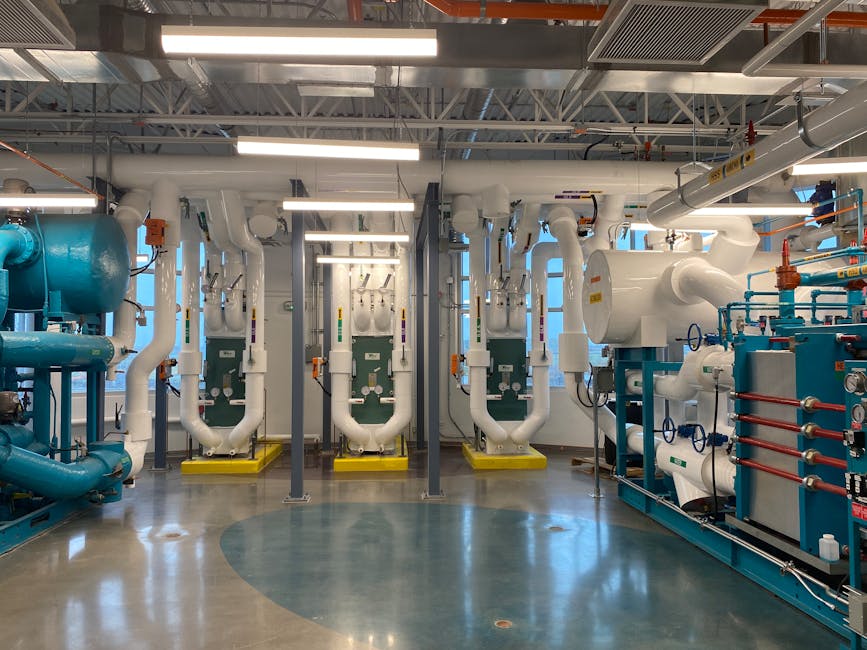
VRF system sizing involves calculating total cooling and heating loads for each zone, selecting appropriately-sized outdoor compressors, and distributing indoor units to match room-specific demands. Advanced zoning allows simultaneous heating and cooling in different areas while optimizing energy consumption through precise load matching and intelligent refrigerant distribution. (Related: How Climate Resilience Programs Impact HVAC Sizing and Cooling Demand in Urban Areas) (Related: How to Read Your AC Unit Nameplate: The Complete 2026 Guide) (Related: Complete Guide to Humidity Control HVAC Dehumidifiers in 2026) (Related: How to Size HVAC Systems for Different Climate Zones in Southern Ontario) (Related: Ductwork Sizing Calculator: Get the Right CFM Every Time) (Related: Two-Stage Cooling Explained: Is It Worth It in 2026?)
What is Variable Refrigerant Flow System Sizing
Variable refrigerant flow capacity calculation is the process of determining how much heating and cooling each zone in a building requires, then selecting equipment that meets those demands without over- or under-sizing. Unlike traditional split systems, VRF technology modulates compressor speed continuously, delivering only the refrigerant volume each zone needs at any given moment.
This modulation capability is what makes VRF system sizing and zoning fundamentally different from conventional HVAC design. A properly sized VRF system operates at partial load the vast majority of the time, which is where the real efficiency gains occur. According to the U.S. Department of Energy’s heating and cooling guidance, variable-speed compressor systems can reduce energy consumption by 30–40% compared to single-stage equipment in multi-zone applications.
How do you calculate the correct VRF system size for a building?
Correct VRF sizing starts with a room-by-room Manual J load calculation, which accounts for square footage, insulation values, window area, occupancy, internal heat gains, and local climate data. Each zone’s peak cooling and heating loads are determined independently. These zone loads are then totaled, with a diversity factor applied — typically 70–80% of the sum of all individual zone peaks — because not every room will hit its maximum load simultaneously. The outdoor unit is then selected to match this adjusted total capacity.
Key sizing parameters include:
- Total connected indoor unit capacity: Must fall within the outdoor unit’s allowable connection ratio, commonly 50–130% of outdoor unit nameplate capacity
- Refrigerant pipe length and elevation: Longer or vertically offset runs reduce effective capacity and must be factored in with manufacturer correction factors
- Simultaneous operation ratio: The percentage of indoor units expected to run at full load at the same time
Advanced Zoning Strategies for VRF Systems
What is the difference between VRF zoning and traditional HVAC zoning?
Traditional HVAC zoning uses dampers inside ductwork to redirect airflow from a single central air handler. The central unit runs at a fixed capacity, and zoning simply controls where that conditioned air goes — often creating pressure imbalances and efficiency losses. VRF zone design is architecturally different: each zone has its own dedicated indoor unit receiving refrigerant directly, and the outdoor compressor actively modulates output to match the real-time sum of all zone demands.
This means a VRF system can deliver heating to a north-facing conference room while simultaneously cooling a sun-drenched south-facing office — a feat impossible with a conventional single-pipe zoned system. Heat recovery VRF (HR-VRF) configurations achieve this by routing rejected heat from cooling zones to areas requiring heat, dramatically improving overall system efficiency.
Effective multi-zone heat pump sizing strategies include:
- Grouping zones by exposure: East and west facades have offsetting peak load times, making them ideal for sharing a refrigerant branch
- Separating high-load zones: Server rooms, commercial kitchens, or large conference rooms should be on independent branches for better control
- Anticipating future expansion: Selecting an outdoor unit with 10–15% additional capacity headroom allows indoor unit additions without replacing the compressor
Calculating VRF Capacity Requirements by Zone
Load Analysis and Outdoor Unit Sizing
Accurate variable refrigerant flow capacity calculation requires ASHRAE Standard 183 or a full Manual J analysis as the foundation. Shortcut rules-of-thumb like “400 square feet per ton” are dangerously imprecise for VRF applications because the system’s modulation range means small errors compound across many zones.
For each zone, calculate:
- Sensible cooling load: Heat gain through walls, windows, roofs, people, lighting, and equipment
- Latent cooling load: Moisture introduced by occupants, outdoor air infiltration, and ventilation
- Heating load: Heat loss through the building envelope during design winter conditions
The outdoor unit selection then follows this process: sum all zone peak cooling loads, apply a diversity factor based on building use type (offices typically use 0.75, hotels 0.65, retail 0.80), then match to the manufacturer’s capacity table at your local design dry-bulb temperature. Most manufacturers publish correction multipliers for ambient temperatures above 95°F or below 17°F that must be applied before final selection.
Indoor Unit Placement and Distribution
Indoor unit selection within each zone depends on both calculated load and the physical characteristics of the space. Ducted fan-coil units suit spaces with existing ductwork or where aesthetics demand concealed equipment. Cassette units work well in open-plan offices with accessible ceilings. Wall-mounted units are efficient in residential bedrooms and hotel rooms where individual occupant control is a priority.
Refrigerant piping distribution follows a branching structure from the outdoor unit through branch circuit controllers (BCCs) or refnet joints to individual indoor units. Pipe sizing tables provided by manufacturers must be followed precisely — undersized pipes create excessive pressure drop that reduces capacity and can cause compressor faults.
Energy Efficiency Optimization in VRF Design
A well-executed VRF system sizing and zoning strategy delivers measurable efficiency gains beyond the base equipment ratings. Integrating demand-controlled ventilation, scheduling setbacks by zone occupancy, and using the system’s built-in energy monitoring data to identify consistently underperforming zones are all best practices that improve real-world performance.
BMS (Building Management System) integration allows VRF systems to respond to occupancy sensors, time schedules, and even weather forecast data to pre-condition spaces efficiently. According to energy.gov’s heating and cooling resources, proper system controls can account for up to 15% additional energy savings beyond equipment efficiency ratings alone.
How to Use the Calculator
Before finalizing any VRF equipment selection, run your zone-by-zone numbers through a reliable load calculator. Our HVAC size calculator walks you through the key inputs — square footage, insulation type, climate zone, window area, and occupancy — and returns a per-zone capacity estimate you can use as the starting point for your VRF zone design guide. For multi-zone projects, our BTU calculator lets you calculate each room independently so you can build a complete zone load summary before sizing your outdoor unit.
Frequently Asked Questions
What connection ratio should I use when sizing a VRF outdoor unit?
Most manufacturers allow total connected indoor unit capacity to range from 50% to 130% of outdoor unit nameplate capacity. Staying within 100–120% is a conservative starting point for commercial applications. Exceeding 130% voids warranties and causes reliability issues; falling below 50% results in poor part-load efficiency and control instability.