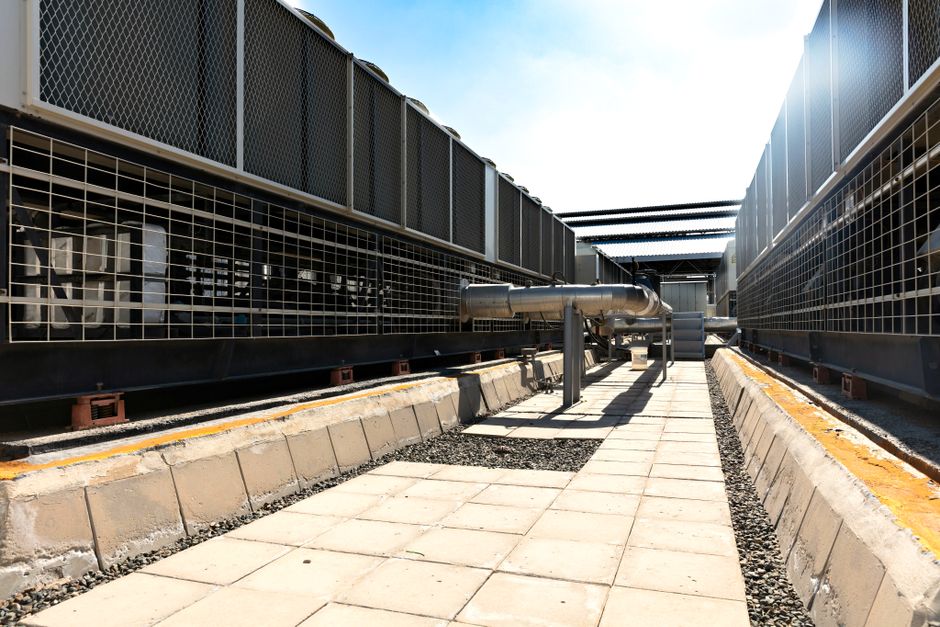
HVAC system commissioning is the process of verifying and optimizing newly installed or renovated heating and cooling systems to ensure they operate at peak efficiency and meet design specifications. It involves performance testing, calibration, and fine-tuning before handover to the building owner. (Related: Heat pump vs electric resistance heating: sizing, efficiency comparison, and cost-benefit calculator for homeowners) (Related: Complete Guide to VRF System Sizing and Zoning in 2026) (Related: Is Two-Stage Cooling Worth It? Complete 2026 Guide) (Related: Mini Split Sizing Calculator: Get the Right BTUs Every Time) (Related: The Complete Guide to AC Unit Nameplate Specifications in 2026) (Related: How to Size a Furnace: Complete 2026 Calculation Guide)
What is HVAC System Commissioning?
Commissioning HVAC systems is a structured quality assurance process that confirms every component — from ductwork and air handlers to thermostats and controls — performs exactly as the design engineers intended. It bridges the gap between installation and actual operation, catching costly errors before they become long-term problems.
According to Energy.gov’s Heating and Cooling resource, properly commissioned systems can reduce energy consumption by 5–15% compared to systems that skip the verification process. For a typical home or commercial building, that translates to real savings on every utility bill for the life of the equipment.
HVAC verification and optimization isn’t a single task — it’s a documented series of steps performed by qualified technicians who test airflow, refrigerant charge, electrical connections, control sequences, and safety shutoffs. Think of it as the final exam your HVAC system must pass before it’s officially put to work.
Pre-Commissioning Inspection Checklist
What should be checked during HVAC commissioning?
Before any system performance testing begins, a thorough pre-commissioning inspection must confirm that all physical components are correctly installed and ready for startup. Skipping this phase leads to failed tests, repeated visits, and inflated costs. Here’s what should be verified:
- Ductwork integrity: Check for leaks, proper insulation, and secure connections at every joint. Even small leaks can rob a system of 20–30% of its conditioned air.
- Electrical connections: Verify all wiring matches the equipment’s wiring diagrams, breaker sizes are correct, and grounding is secure.
- Refrigerant lines: Inspect for proper sizing, insulation, and absence of kinks or damage on refrigerant lines before charging the system.
- Filter installation: Confirm filters are correctly sized, properly seated, and rated for the system’s airflow requirements.
- Thermostat and controls placement: Make sure sensors and thermostats are mounted away from direct sunlight, drafts, or heat-producing appliances that would cause inaccurate readings.
- Condensate drainage: Test that drain pans are level, drain lines slope correctly, and overflow switches are functional.
- Safety devices: Test high-pressure cutoffs, low-pressure switches, and limit controls before the first full system startup.
HVAC startup procedures follow a logical sequence — you never want to power up a system with an unverified refrigerant charge or an unsecured electrical connection. The pre-commissioning phase is your last chance to catch installation errors before they cause equipment damage.
Performance Testing and Verification Steps
Once the pre-commissioning checklist is complete, system performance testing begins. This is the core of commissioning HVAC systems and where real data replaces assumptions.
Step 1 — Airflow Measurement: Using a balometer or flow hood, technicians measure the actual cubic feet per minute (CFM) delivered at each register and return. These values are compared against the design specifications to confirm proper distribution throughout every zone.
Step 2 — Static Pressure Testing: Total external static pressure is measured across the air handler to verify the blower is operating within its designed range. High static pressure indicates duct restrictions that reduce efficiency and equipment life.
Step 3 — Refrigerant Charge Verification: Using superheat or subcooling methods (depending on the expansion device), technicians verify that the refrigerant charge matches manufacturer specifications. An incorrect charge is one of the leading causes of premature compressor failure.
Step 4 — Temperature Rise/Drop Testing: For heating systems, supply air temperature rise is measured across the heat exchanger. For cooling, the delta-T (temperature difference) between return and supply air is measured to confirm proper heat transfer.
Step 5 — Controls and Sequence Verification: Each control sequence — including occupied/unoccupied modes, economizer operation, and safety lockouts — is manually triggered and verified to confirm correct behavior.
Optimization Techniques for Efficiency
How do you optimize HVAC system performance after installation?
HVAC balancing and tuning after initial testing transforms a functional system into a peak-performing one. Optimization focuses on fine-tuning the variables that testing exposed as imperfect.
Air Balancing: Dampers throughout the duct system are adjusted to redirect airflow until every room receives its design CFM. This eliminates hot and cold spots and reduces the load on the blower motor.
Thermostat Calibration: Sensors are compared against calibrated reference instruments and adjusted or replaced if readings differ by more than 0.5°F. Inaccurate sensors cause the system to over- or under-condition spaces, wasting energy.
Fan Speed Adjustment: Many modern air handlers offer multi-speed or variable-speed blower motors. Adjusting fan speed to match the measured duct system’s static pressure improves both comfort and efficiency.
Control Scheduling: Programmable and smart thermostats are configured to match the building’s actual occupancy schedule, ensuring the system isn’t conditioning empty spaces at peak capacity.
As noted by Energy.gov, proper system tuning and scheduling can reduce HVAC energy use significantly — making optimization one of the highest-return investments in the commissioning process.
Common Commissioning Issues and Solutions
Even well-installed systems encounter issues during commissioning. Knowing the most common problems speeds up resolution:
- Insufficient airflow: Usually caused by undersized ductwork, excessive duct length, or too many bends. Solution: resize or reroute duct sections, or adjust fan speed if within motor limits.
- Incorrect refrigerant charge: Results from improper line sizing or refrigerant loss during installation. Solution: recover refrigerant, repair leaks, and recharge to manufacturer specifications.
- Controls miscommunication: Smart thermostats or building automation systems occasionally have wiring errors or software configuration issues. Solution: trace wiring against diagrams and reset control parameters.
- Condensate overflow: Caused by improper drain slope or clogged lines. Solution: re-slope drain lines and flush or replace blocked sections.
Documentation and Handover Requirements
Commissioning isn’t complete until every test result, adjustment, and measurement is documented. A complete commissioning report should include measured airflow at each register, static pressure readings, refrigerant charge data, control sequence verification results, and all equipment settings as left.
This documentation serves as the system’s baseline — the benchmark against which future performance testing is compared during annual maintenance. Homeowners and facility managers should keep this report with their equipment manuals and warranty documents.
Final handover includes a walkthrough with the building owner, explanation of thermostat operation, filter replacement schedules, and recommended maintenance intervals. A properly commissioned and documented system gives owners confidence that their investment is protected from day one.
How to Use the HVAC Size Calculator
Before commissioning begins, confirming your system
- Digital Manifold Gauge Set for HVAC Systems — Essential diagnostic tool for HVAC commissioning, testing, and calibration procedures outlined in the 7-step guide
- Anemometer Wind Speed Meter with Temperature — Critical for airflow verification and performance testing during HVAC system commissioning and optimization
- Infrared Thermometer Non-Contact Digital — Indispensable for temperature calibration and fine-tuning verification to ensure peak efficiency and design specifications
See also: Heat Pump Sizing Guide: Get the Right BTUs Every Time
See also: Complete Guide to Humidity Control HVAC Dehumidifiers 2026
Related: Demand-Controlled Ventilation: The Complete 2026 HVAC Sizing Guide
Related: Complete Guide to HVAC Zoning Systems: Room-by-Room Control in 2026
SPONSORED
Estimating Software Built for HVAC Contractors
ArcSite lets you draw site plans, create estimates, and close jobs faster — all from your phone or tablet. Used by 100,000+ field service professionals.
Try ArcSite Free →Affiliate partner — we may earn a commission at no cost to you.
SPONSORED
Need HVAC Cleaning or Home Services?
Cleanster connects homeowners with vetted cleaning and home service professionals. Book online in minutes.
Book a Service →Affiliate partner — we may earn a commission at no cost to you.