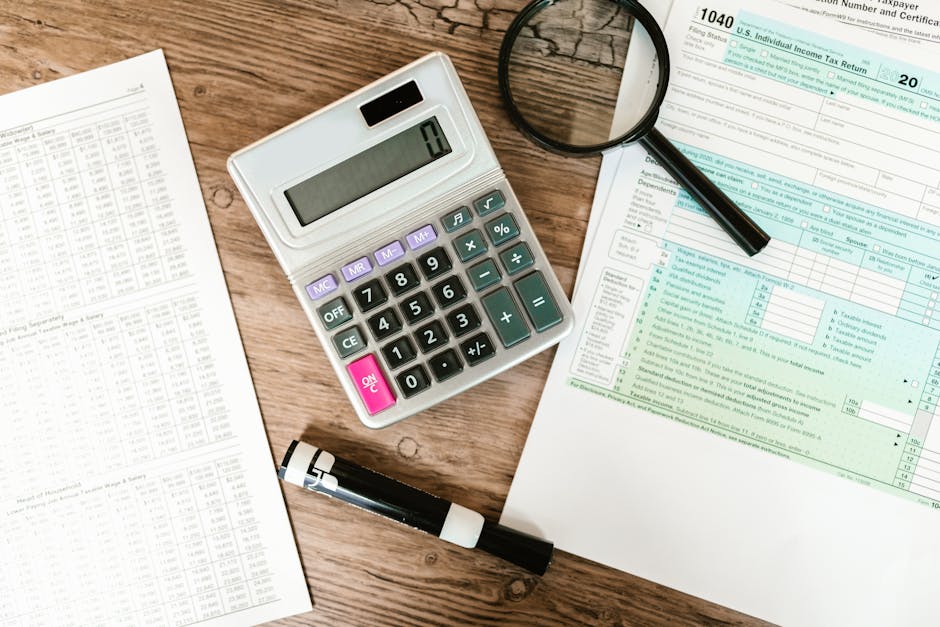
Federal and state rebates for HVAC upgrades are worth thousands of dollars in 2026 — but the programs are different than they were two years ago. The 25C Energy Efficient Home Improvement Credit remains in place under the Inflation Reduction Act, while HEEHRA (High-Efficiency Electric Home Rebate Act) state programs have launched in more than 30 states. Here’s exactly what’s available, how much you can get, and how to claim it.
25C Federal Tax Credit: Still Active in 2026
The Section 25C credit was expanded under the Inflation Reduction Act and is currently available through 2032. For the 2026 tax year, you can claim:
- Heat pumps (air-source): 30% of cost, up to $2,000 per year
- Heat pump water heaters: 30% of cost, up to $2,000 per year (combined limit with heat pumps)
- Central AC or gas furnace: 30% of cost, up to $600 per unit
- Biomass stoves: 30% of cost, up to $2,000
- Home energy audits: 30% of cost, up to $150
The annual combined cap for most improvements (excluding heat pumps) is $1,200 per year. Heat pumps and biomass stoves have a separate $2,000 annual cap. There is no lifetime limit — you can claim the credit each year you make qualifying improvements. The credit is non-refundable, meaning it reduces your tax liability to zero but does not trigger a refund.
Key requirement: The equipment must meet or exceed specific efficiency thresholds. For central AC, that means SEER2 ≥ 16 in northern climate zones and SEER2 ≥ 15.2 in southern zones. For heat pumps, HSPF2 ≥ 7.5 and SEER2 ≥ 15.2. Check the ENERGY STAR certified products list before purchasing — not all high-efficiency equipment qualifies.
HEEHRA: State Rebate Programs (Up to $14,000)
HEEHRA provides point-of-sale rebates — meaning you get the discount at the time of purchase, not on your tax return. Rebate amounts depend on your household income relative to your area median income (AMI):
- At or below 80% AMI: Up to 100% of equipment cost covered
- 80–150% AMI: Up to 50% of equipment cost covered
- Above 150% AMI: Not eligible for HEEHRA
Maximum rebate amounts by equipment type under HEEHRA:
- Heat pump (HVAC): up to $8,000
- Heat pump water heater: up to $1,750
- Electric panel upgrade: up to $4,000
- Insulation and air sealing: up to $1,600
- Electric clothes dryer: up to $840
The total household cap across all HEEHRA rebates is $14,000. Critically, HEEHRA and 25C credits can be stacked — you can take a HEEHRA rebate at purchase and still claim the 25C credit on your taxes for the remaining cost.
25C vs. HEEHRA: Side-by-Side Comparison
| Feature | 25C Tax Credit | HEEHRA Rebate |
|---|---|---|
| Type | Federal tax credit (non-refundable) | State-administered rebate (point of sale) |
| Income limit | None | Must be ≤ 150% AMI |
| Max benefit (heat pump) | $2,000/year | $8,000 |
| When you get it | Next tax filing | At time of purchase |
| Can be stacked? | Yes — stack with HEEHRA | Yes — stack with 25C |
| Annual cap | $1,200 (or $2,000 for heat pumps) | $14,000 total household lifetime |
| Equipment requirement | ENERGY STAR Most Efficient; meets SEER2/HSPF2 thresholds | Qualifying high-efficiency models per state program |
| Availability | All 50 states (federal) | 30+ states with active programs |
| Expires | December 31, 2032 | Until state funding exhausted |
State HEEHRA Rebate Availability in 2026
HEEHRA programs are administered at the state level. Funding varies and programs can close when funds are depleted. As of 2026:
| State | Program Status | Max Heat Pump Rebate | Notes |
|---|---|---|---|
| California | Active | $8,000 | CalHEEHRA; income-qualified |
| Texas | Active | $8,000 | SECO-administered |
| Florida | Active | $8,000 | DEO program; limited funds |
| New York | Active | $8,000 | NYSERDA; additional state incentives available |
| Pennsylvania | Active | $8,000 | PENNHOME; combined with utility rebates |
| Colorado | Active | $8,000 | CCHE program |
| Michigan | Active | $8,000 | MSHDA-administered |
| Illinois | Active | $8,000 | IHDA program |
| Georgia | Active | $8,000 | DCA-administered |
| Arizona | Active | $8,000 | ADE program |
| North Carolina | Active | $8,000 | NCHFA-administered |
| Virginia | Active | $8,000 | DHCD program |
| Washington | Active | $8,000 | Commerce Dept; additional utility incentives |
| Oregon | Active | $8,000 | OHCS program |
| Minnesota | Active | $8,000 | MHF-administered |
| Wisconsin | Active | $8,000 | WHEDA program |
| Massachusetts | Active | $8,000 | MassHousing; strong utility co-programs |
| Maryland | Active | $8,000 | DHCD; MEA utility programs available |
| New Jersey | Active | $8,000 | NJHMFA-administered |
| Connecticut | Active | $8,000 | CHFA; stacks with Energize CT |
| Hawaii | Active | $8,000 | HHFDC program |
| Nevada | Active | $8,000 | NHD program |
| New Mexico | Active | $8,000 | MFA-administered |
| Rhode Island | Active | $8,000 | RIHousing; stacks with National Grid rebates |
| Maine | Active | $8,000 | MaineHousing |
| Vermont | Active | $8,000 | VHFA; Efficiency Vermont add-ons |
| Delaware | Active | $8,000 | DSHA program |
| Montana | Active | $8,000 | MBOH program |
| Idaho | Active | $8,000 | IHF program |
| Iowa | Active | $8,000 | IFA-administered |
| Kansas | Not yet launched | — | Pending state legislature authorization |
| Missouri | Not yet launched | — | Pending |
| Indiana | Not yet launched | — | Pending |
| Ohio | Not yet launched | — | Pending |
| Tennessee | Not yet launched | — | Pending |
| Alabama | Not yet launched | — | Pending |
| Mississippi | Not yet launched | — | Pending |
Check your state energy office website for current funding availability — HEEHRA programs can close when appropriations are depleted.
How to Claim the 25C Credit
- Purchase qualifying equipment — verify it meets efficiency thresholds before buying. Use the ENERGY STAR certified products database at energystar.gov.
- Keep your receipts and manufacturer certification — manufacturers provide a Qualified Manufacturer (QM) certification confirming the product meets IRS standards. Keep this with your tax records.
- Complete IRS Form 5695 — “Residential Energy Credits.” Enter the cost of qualifying improvements on the appropriate lines.
- Attach to your Form 1040 — the credit flows to Schedule 3 and reduces your total tax liability.
How to Apply for HEEHRA Rebates
- Check your state’s program portal — search “[your state] HEEHRA rebate” or visit your state housing finance agency’s website.
- Confirm income eligibility — you’ll need proof of household income (tax returns or pay stubs) and documentation of your AMI percentage.
- Use a participating contractor — most state programs require installation by a registered contractor. Ask your HVAC company if they’re enrolled in the program.
- Apply before the work starts — some states require pre-approval. Others allow post-installation claims. Confirm your state’s process first.
Utility Rebates: Additional Savings Layer
Beyond 25C and HEEHRA, your utility company may offer its own rebates. These vary widely but can add $300–$2,000 on top of state and federal programs. Major utilities offering heat pump rebates in 2026 include:
- Pacific Gas & Electric (CA): Up to $3,000 for qualifying heat pumps
- Xcel Energy (CO, MN): Up to $1,500
- National Grid (NY, MA): Up to $2,000
- Duke Energy (NC, SC, FL, IN): Up to $1,200
- Dominion Energy (VA, NC, SC): Up to $800
- Consumers Energy (MI): Up to $1,000
Visit the DSIRE database (dsireusa.org) for a complete list of utility incentives by ZIP code.
Maximizing Your Total Rebate Stack
A homeowner in an active HEEHRA state at 80% AMI installing a $12,000 heat pump could receive:
- HEEHRA rebate: $8,000 (100% of cost up to cap)
- 25C tax credit: 30% × $4,000 remaining cost = $1,200
- Utility rebate: $1,500 (varies by utility)
- Total incentives: $10,700 on a $12,000 system
- Net out-of-pocket: $1,300
For homeowners above 150% AMI (not HEEHRA-eligible): the 25C credit alone covers up to $2,000, plus utility rebates often bring the total to $3,000–$5,000 off the purchase price.
Use our HVAC Efficiency Calculator or see our 2026 HVAC cost guide to estimate how much a new heat pump would save on your energy bills, which helps you calculate the full payback period including these incentives.
Frequently Asked Questions
Can I claim 25C if I’m renting?
No. The 25C credit applies only to the taxpayer’s principal residence that they own. Renters cannot claim it.
Does the 25C credit apply to new construction?
No. The 25C credit is for improvements to existing homes placed in service before the improvement date. New construction qualifies for a different credit (45L for builders).
Can I claim 25C for a vacation home?
No. The credit requires the property to be your principal residence.
What if my HVAC installation spans two tax years?
The credit applies in the tax year the equipment is placed in service (installed and operational), not when you paid for it or signed the contract.
Do I need to hire a specific contractor for 25C?
No. Any HVAC writer contractor can install qualifying equipment. The installer does not need to be specially certified for the federal tax credit (unlike some HEEHRA programs).
What’s the difference between HEEHRA and HOMES rebates?
HEEHRA covers specific equipment purchases (heat pumps, water heaters, panel upgrades). HOMES (Home Owner Managing Energy Savings) rebates cover whole-home energy efficiency retrofits measured by modeled or actual energy savings, with up to $8,000 available regardless of AMI for larger savings percentages.
Is there a limit on how many years I can claim 25C?
No lifetime limit. You can claim up to the annual maximum each tax year through 2032, as long as you’re making qualifying improvements each year.
What efficiency rating does my AC need for the 25C credit?
Central AC must meet ENERGY STAR Most Efficient criteria: SEER2 ≥ 16 (northern zone) or SEER2 ≥ 15.2 (southern zone), and EER2 ≥ 11.7 (northern) or 12 (southern). Standard ENERGY STAR-certified AC without the “Most Efficient” designation does not qualify for the 25C credit.
- Energy Star Certified Smart Thermostat — Smart thermostats qualify for federal tax credits under the 25C Energy Efficient Home Improvement Credit, making them a perfect complement to the post’s focus on HVAC rebates and tax incentives.
- HVAC System Air Filter Replacement Pack — Maintenance products help readers maximize their HVAC system efficiency and protect their investment after using rebates for upgrades, creating a natural product pairing for the audience.
- Professional HVAC Installation Service (Local Affiliate Programs) — Readers interested in HVAC rebates and tax credits are actively planning installations; affiliate programs like Angi connect them with local contractors who can ensure their systems qualify for available incentives.
Related: Tax Credits and Rebates for HVAC Systems: Heat Pumps, Air Conditioners, and Home Insulation in 2024
Related: HVAC Tax Credits & Rebates 2026: Save Up to $3,200 [Full Guide]
SPONSORED
Estimating Software Built for HVAC Contractors
ArcSite lets you draw site plans, create estimates, and close jobs faster — all from your phone or tablet. Used by 100,000+ field service professionals.
Try ArcSite Free →Affiliate partner — we may earn a commission at no cost to you.
SPONSORED
Need HVAC Cleaning or Home Services?
Cleanster connects homeowners with vetted cleaning and home service professionals. Book online in minutes.
Book a Service →Affiliate partner — we may earn a commission at no cost to you.