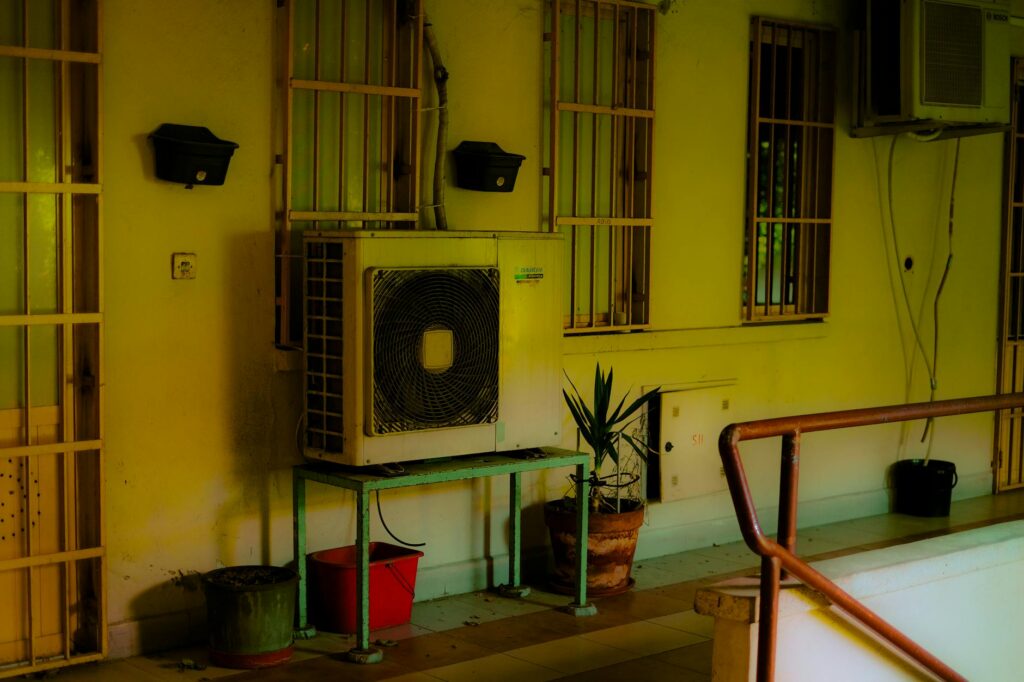
Whole house fans and air conditioning serve different cooling purposes and offer distinct cost and comfort benefits. While AC provides consistent climate control year-round, whole house fans offer significant energy savings in moderate climates but require strategic use. Understanding the differences helps you choose the right cooling solution for your home and budget.
Cost Comparison: Installation and Operating Expenses
The financial decision between whole house fans and air conditioning depends on both upfront and long-term costs. A whole house fan typically costs $1,500 to $3,500 installed, while central air conditioning ranges from $4,000 to $8,000 or more. However, operating costs tell a different story.
Whole house fans consume significantly less electricity than AC units. Running a whole house fan costs approximately $0.50 to $1.00 per hour, compared to $1.50 to $3.00 for air conditioning. In mild climates where you can use a whole house fan for spring and fall cooling, you’ll see substantial energy bill reductions.
The maintenance cost difference also matters. Whole house fans require minimal maintenance—occasional filter cleaning and attic ductwork checks. Air conditioning systems need annual professional servicing, refrigerant checks, and eventual compressor repairs. Over 10 years, AC maintenance can cost $1,000 to $2,000, while whole house fans might cost $200 to $500.
However, air conditioning offers year-round functionality in hot climates, potentially providing better value despite higher operating costs. If you live in an area with consistently hot summers, the comfort benefits of AC may justify the expense.
Comfort, Performance, and Climate Suitability
Comfort expectations differ significantly between these cooling methods. Air conditioning maintains precise temperature control, removes humidity effectively, and filters air quality. You can set it to 72°F and rely on consistent comfort throughout the day.
Whole house fans work differently. They pull cool outside air through windows and doors, exhausting hot air through the attic. This approach works excellently when outdoor temperatures are cooler than indoor temperatures—typically early morning, evening, or during mild weather seasons. When outdoor temperatures exceed indoor temperatures, whole house fans become counterproductive.
Humidity control strongly favors air conditioning. AC systems reduce indoor humidity by 30-50%, creating a more comfortable environment and preventing mold growth. Whole house fans actually increase indoor humidity by drawing in outside air, which can be problematic in already-humid climates.
Geographic location determines suitability. Whole house fans excel in Mediterranean climates with cool nights and mild seasons—think California, Arizona, and parts of Nevada. They work well in mountain communities and northern regions where summer temperatures drop significantly at night. In consistently hot, humid climates like the Southeast or Gulf Coast, air conditioning remains the practical choice.
Hybrid Approach: Combining Both Systems
Many homeowners discover the optimal solution combines both systems. Running a whole house fan during cool mornings and evenings, then switching to air conditioning during peak afternoon heat, reduces overall energy consumption while maintaining comfort.
This strategy works particularly well in transitional seasons. Use the whole house fan exclusively in April, May, September, and October when temperatures moderate. Reserve AC use for June through August when outdoor temperatures consistently exceed comfortable indoor levels.
The hybrid approach requires planning. You’ll need windows strategically opened to allow intake air, and someone home to manage the transition between systems. Modern smart thermostats can automate some switching, but manual operation often provides better efficiency.
Installing both systems increases upfront costs but distributes expenses over time. You might install a whole house fan first ($2,000), then add air conditioning later when budget allows. This phased approach offers immediate savings while building toward comprehensive comfort.
How to Use the Calculator
Determining whether a whole house fan or air conditioning suits your needs requires understanding your home’s cooling load. Use our HVAC sizing calculator to calculate your specific cooling requirements based on square footage, insulation, climate zone, and window area. This data helps you understand what capacity system you’d actually need and compare realistic operating costs between options.
FAQ
Can a whole house fan replace air conditioning completely?
In most climates, no. Whole house fans work only when outdoor temperatures are lower than indoor temperatures, limiting their effectiveness during peak summer heat. They’re excellent supplementary cooling but inadequate as the sole cooling method in consistently hot climates. In mild climates with cool nights, they can serve as primary cooling for 6-8 months annually, reducing AC dependency significantly.
How much money can I save switching from AC to a whole house fan?
Potential savings depend on your climate and current AC usage. In mild climates, homeowners report 30-50% reduction in summer cooling costs by using whole house fans strategically. A household spending $200 monthly on AC during summer could save $60-$100 monthly. However, in hot climates where AC runs constantly, savings may be minimal since you’ll still need AC for peak hours.
What size whole house fan do I need?
Whole house fans are sized by cubic feet per minute (CFM) needed to exchange your home’s air 15 times hourly. A typical rule of thumb: 2-3 CFM per square foot. A 2,000 square foot home would need a 4,000-6,000 CFM fan. Undersized fans won’t cool effectively, while oversized fans create excessive drafts and noise. Professional sizing considers your home’s specific characteristics and climate.
- Whole House Fan Installation Kit — Directly relevant to readers comparing cooling options who may want to install a whole house fan themselves
- Smart Thermostat (Nest/Ecobee) — Helps optimize AC and fan usage for energy savings, appeals to cost-conscious readers
- Window Air Conditioning Unit — Provides alternative cooling solution for readers evaluating AC options in moderate climates
Related: Why Is My House Humid Even with AC Running?
SPONSORED
Estimating Software Built for HVAC Contractors
ArcSite lets you draw site plans, create estimates, and close jobs faster — all from your phone or tablet. Used by 100,000+ field service professionals.
Try ArcSite Free →Affiliate partner — we may earn a commission at no cost to you.
SPONSORED
Need HVAC Cleaning or Home Services?
Cleanster connects homeowners with vetted cleaning and home service professionals. Book online in minutes.
Book a Service →Affiliate partner — we may earn a commission at no cost to you.