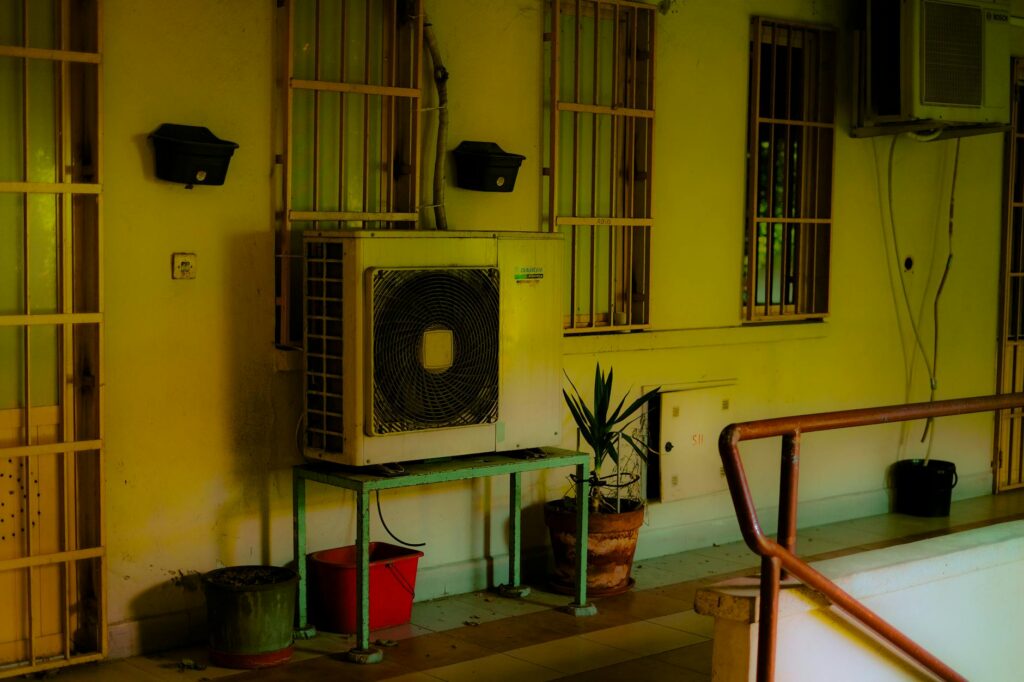
Proper home insulation is the foundation of an efficient HVAC system. Without adequate insulation, your heating and cooling equipment works overtime, wasting energy and money. This guide shows you exactly how to identify insulation problems and determine if your home is ready to support an optimally functioning HVAC system.
Common Signs of Poor Insulation
Your home sends clear signals when insulation is inadequate. The most obvious indicator is uneven temperature distribution—if some rooms feel significantly warmer or cooler than others, heat and cold air are likely escaping through gaps and thin insulation.
Look for these specific warning signs:
- High energy bills: A sudden increase without changed usage patterns suggests your HVAC system is compensating for heat loss.
- Drafts near windows and doors: Feel around frames during winter or summer. Cold or warm air penetration indicates thermal breaks.
- Ice dams in winter: Uneven roof melting shows heat escaping through the attic, a major insulation failure point.
- Condensation on windows: Interior moisture buildup means warm, humid air meets cold surfaces—a sign of poor thermal resistance.
- Cold floors or hot ceilings: These extremes point to insufficient insulation in specific areas, usually attics, crawl spaces, or basements.
- Difficulty maintaining setpoint temperature: If your thermostat constantly adjusts but comfort remains inconsistent, insulation may be the culprit.
Pay special attention to your HVAC system’s runtime. Systems running 80-90% of the time in moderate weather indicate they’re fighting insulation battles rather than maintaining efficiency.
Testing Your Home’s Insulation R-Value
R-value measures insulation’s thermal resistance—the higher the R-value, the better the insulation performs. Different climate zones require different minimum R-values for various building areas.
Start by checking your attic insulation, which should be the easiest to assess. Look up into your attic through an access point and measure the insulation depth with a ruler. Here’s the general conversion:
- 3-4 inches of loose-fill = approximately R-10 to R-13
- 6-7 inches of loose-fill = approximately R-19 to R-21
- 10-12 inches of loose-fill = approximately R-30 to R-38
- 14-16 inches of loose-fill = approximately R-43 to R-48
Most modern homes need attic R-values of R-38 to R-60, depending on location. If your attic shows less than 4 inches of insulation, upgrading should be your priority.
For walls, basement, and crawl space insulation, the assessment is trickier. You’ll need to remove an outlet cover or drill a small test hole to peek inside. Call a professional energy auditor if you need precise measurements—they use thermal imaging cameras to identify weak spots invisible to the naked eye.
Check your local building codes and Department of Energy recommendations for your climate zone. A professional energy audit typically costs $300-400 but provides a complete R-value map of your home and energy efficiency improvement roadmap.
The Relationship Between Insulation and HVAC Performance
Your HVAC system and insulation work as a team. Without proper insulation backing, even the most efficient heating and cooling equipment performs poorly. Here’s why this relationship matters:
Energy consumption: Homes with inadequate insulation see HVAC systems consuming 20-40% more energy. This directly increases utility bills and shortens equipment lifespan through excessive runtime.
Equipment sizing: When calculating the right HVAC unit size for your home, insulation quality is a critical factor. A properly insulated home may need a smaller, more efficient unit. Conversely, poor insulation might necessitate oversizing, which wastes money and cycles inefficiently.
Comfort and consistency: Insulation keeps conditioned air where it belongs—inside your home. Poor insulation creates temperature stratification and drafts that no thermostat can completely solve.
System longevity: HVAC units working 50% of the time last significantly longer than units running constantly. Proper insulation reduces wear and tear, extending equipment life by years.
Before upgrading your HVAC system, evaluate insulation. Investing $1,000-3,000 in insulation upgrades often eliminates the need for a larger, more expensive HVAC unit while improving comfort immediately.
How to Use the HVAC Size Calculator
Once you’ve assessed your insulation, use our HVAC BTU Calculator to determine the proper system size for your specific home. The calculator accounts for insulation quality, climate zone, and square footage to recommend accurate equipment sizing. Input your insulation R-values and current energy efficiency to get a personalized recommendation.
Frequently Asked Questions
How much can proper insulation improve HVAC efficiency?
Upgrading from minimal to code-compliant insulation typically improves HVAC efficiency by 15-30%, depending on your current baseline. Homes with R-10 attic insulation upgrading to R-38 often see utility bill reductions of $200-500 annually. The payback period for insulation improvements ranges from 3-8 years.
Should I upgrade insulation or HVAC system first?
Upgrade insulation first. A properly insulated home will need smaller, less expensive HVAC equipment. Adding insulation when your HVAC is already oversized won’t reduce your energy bill or improve comfort as effectively. Fix the thermal envelope, then right-size your heating and cooling system to match.
What insulation upgrades provide the fastest payback?
Attic insulation upgrades typically offer the best return on investment, returning 50-70% of costs through energy savings. Basement and crawl space insulation follows with 30-50% returns. Wall cavity insulation is most expensive and offers slower payback unless combined with other renovations. Start with attic work for maximum efficiency gain per dollar spent.
- Thermal Insulation Roll/Batts — Directly addresses home insulation improvements discussed in the post; readers identifying insulation problems will likely need replacement materials
- Infrared Thermal Imaging Camera — Helps homeowners detect insulation gaps and heat loss spots mentioned in the post as diagnostic tools
- Weather Stripping & Door Seals — Complements insulation improvements by sealing air leaks that reduce HVAC efficiency, a key theme of the post
Related: Signs Your Air Conditioner Needs to Be Replaced
Related: Signs Your Home Has Proper HVAC Insulation
SPONSORED
Estimating Software Built for HVAC Contractors
ArcSite lets you draw site plans, create estimates, and close jobs faster — all from your phone or tablet. Used by 100,000+ field service professionals.
Try ArcSite Free →Affiliate partner — we may earn a commission at no cost to you.
SPONSORED
Need HVAC Cleaning or Home Services?
Cleanster connects homeowners with vetted cleaning and home service professionals. Book online in minutes.
Book a Service →Affiliate partner — we may earn a commission at no cost to you.