A seasonal HVAC maintenance schedule keeps your system running efficiently year-round and extends its lifespan. By performing simple tasks each season and scheduling professional inspections, you’ll avoid costly repairs and maintain consistent comfort in your home. Here’s everything you need to know about maintaining your HVAC system throughout the year. (Related: 7 Essential HVAC System Staging Types in 2026: Complete Comparison Guide) (Related: Window AC vs Central Air: Complete Cost Comparison for Summer 2026) (Related: Packaged AC Units vs Split Systems: 7 Sizing and Cost Differences in 2026) (Related: Complete Ductless Mini Split Systems Sizing Guide and Installation Costs 2026) (Related: 5 Ways to Lower Your Central AC Installation Cost in 2026) (Related: 5 Essential HVAC Sizing Mistakes for Attic and Basement Spaces in 2026) (Related: 5 Proven Ways to Cut Your Summer 2026 AC Costs: Window vs Central Air) (Related: Complete Guide to Central AC Installation Cost Summer 2026: Beat the Rush) (Related: 7 Essential Refrigerant Types Every Homeowner Should Know in 2026)
Spring HVAC Maintenance
Spring is the perfect time to prepare your air conditioning system for the warm months ahead. After winter operation, your AC unit needs attention to ensure it’s ready for heavy use.
Clean or replace your air filter if you haven’t already. A clogged filter reduces efficiency and strains your system. Check your filter monthly and replace it every 1-3 months depending on usage and pet presence.
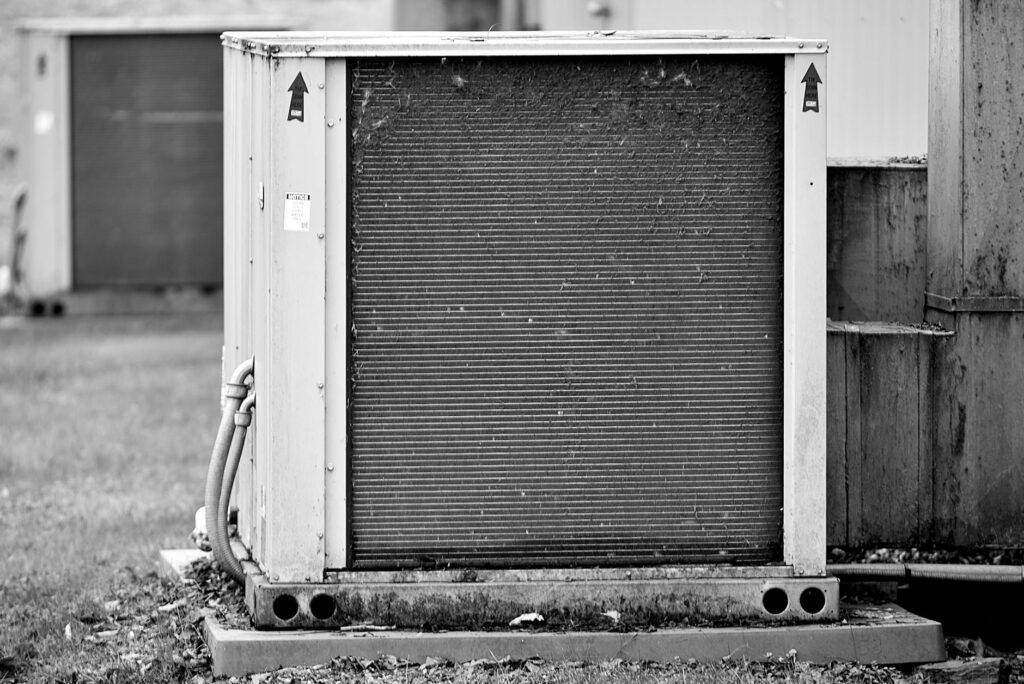
Clear debris around outdoor units. Remove leaves, sticks, and dirt that accumulated during winter. Ensure there’s at least 2 feet of clearance on all sides for proper airflow. Gently rinse the outdoor condenser coils with a garden hose to remove dust buildup.
Check your thermostat settings. Switch from heating to cooling mode and test that your system responds correctly. If you have a programmable thermostat, adjust schedules to match your spring routines and save on energy costs.
Schedule professional spring maintenance. HVAC technicians will inspect refrigerant levels, check electrical connections, lubricate moving parts, and test system performance. This appointment typically costs $100-$200 but prevents expensive failures during peak cooling season.
Summer HVAC Maintenance
Summer requires vigilance to keep your cooling system running smoothly during peak demand when temperatures soar.
Monitor filter conditions weekly. Your air filter works harder in summer, so check it more frequently than other seasons. Dirty filters reduce cooling efficiency by up to 15% and force your system to work overtime, increasing energy bills and wear.
Keep vents and returns clear. Don’t block air vents with furniture, curtains, or other objects. Blocked airflow reduces cooling efficiency and creates hot spots in your home. Ensure return air vents aren’t covered by dust or debris.
Maintain consistent thermostat settings. Constantly adjusting temperatures forces your system to cycle on and off, reducing efficiency. Set your thermostat to a comfortable temperature and avoid dramatic changes. Using a programmable thermostat can save 10-15% on cooling costs.
Watch for warning signs. Strange noises, reduced cooling power, or unusual ice buildup on the outdoor unit indicate problems. Address these issues immediately by calling a professional, as summer is peak season and technicians book quickly.
Fall HVAC Maintenance
Fall is maintenance time for your heating system. As temperatures drop, preparing your furnace or heat pump ensures reliable warmth through winter.
Switch to heating mode. Test your furnace to confirm it ignites properly and distributes warm air effectively. If you notice delayed ignition, weak heat output, or burning smells, schedule service immediately before winter arrives.
Inspect your heating system professionally. An autumn tune-up includes checking the heat exchanger for cracks, inspecting the blower motor, testing safety controls, and verifying combustion efficiency. This prevents dangerous malfunctions and ensures optimal heating performance.
Clean air ducts and returns. Fall leaves and debris can be drawn into return air vents. Vacuum around vents and consider professional duct cleaning if your home has excessive dust or pet hair. Clean ducts improve air quality and heating efficiency.
Seal air leaks around windows and doors. Before winter, weatherstrip windows and caulk gaps around door frames. This reduces heat loss and decreases HVAC workload, lowering heating costs by 10-20%.
Winter HVAC Maintenance
Winter demands constant attention to your heating system. Regular monitoring and simple maintenance prevent breakdowns when you need heat most.
Change filters monthly. Winter heating loads create dirty filters quickly. Monthly changes maintain airflow and heating efficiency throughout the cold season.
Keep outdoor units clear. If you have a heat pump or AC-style outdoor unit, ensure snow and ice don’t block intake areas. Clear 2 feet around the unit after each snowfall. Never use a pressure washer on frozen coils.
Listen for unusual sounds. Winter heating cycles can be loud, but grinding, squealing, or rattling sounds indicate problems. Address them promptly to prevent complete system failure during extreme cold.
Verify heating safety. If you have a gas furnace, ensure carbon monoxide detectors are functional and batteries are fresh. Test your furnace’s ability to produce adequate heat. Any concerns warrant immediate professional inspection.
How to Use the HVAC Calculator
Understanding your HVAC system’s capacity helps you maintain it properly. Use the HVAC sizing calculator to determine your system’s correct capacity and compare it to your current unit. Knowing your system’s specifications helps you recognize underperformance during maintenance and ensures technicians make appropriate recommendations.
Year-Round HVAC Maintenance Tips
Create a maintenance schedule. Set phone reminders for seasonal tasks. Most people benefit from professional service in spring and fall, with monthly filter checks year-round.
Keep detailed records. Document all maintenance and repairs. This history helps technicians diagnose problems and supports warranty claims.
Invest in preventive maintenance plans. Many HVAC companies offer annual maintenance plans for $150-$300 that include two professional inspections, priority service, and discounts on repairs. These plans typically pay for themselves by preventing expensive emergency services.
Upgrade your thermostat. Smart thermostats learn your preferences and automatically adjust temperatures, reducing energy consumption while maintaining comfort. Many models integrate with your smartphone for remote control.
FAQ
How often should I replace my HVAC filter?
Most residential filters need replacement every 1-3 months depending on usage, pets, allergies, and air quality. Check your filter monthly, especially during heavy use seasons (winter heating and summer cooling). Homes with pets, smokers, or allergy sufferers may need monthly changes. Higher-quality filters last longer but cost more initially.
Is professional HVAC maintenance really necessary?
Yes. While homeowner maintenance is important, professional inspections catch problems you can’t see, like low refrigerant levels, electrical issues, or heat exchanger cracks. Annual professional service prevents 85% of HVAC emergencies and extends system life by 5-10 years. The cost of preventive service is far less than emergency repairs or premature replacement.
What’s the average lifespan of an HVAC system?
Well-maintained HVAC systems typically last 15-20 years. Furnaces average 15-20 years, air conditioners 10-15 years, and heat pumps 15-20 years. Regular maintenance, prompt repairs, and proper sizing can extend these lifespans significantly. Systems that receive minimal maintenance may fail at 8-12 years.