Two Very Different Approaches to Home Comfort
When it is time to replace or install a new cooling and heating system, homeowners today have more choices than ever. The two most common options are central air conditioning (with a ducted forced-air system) and mini-split systems (also called ductless or multi-split systems). Both can keep your home comfortable year-round, but they work very differently and suit different situations. Understanding the trade-offs helps you make the right choice — and right-size your investment for your specific home.
How Central Air Conditioning Works
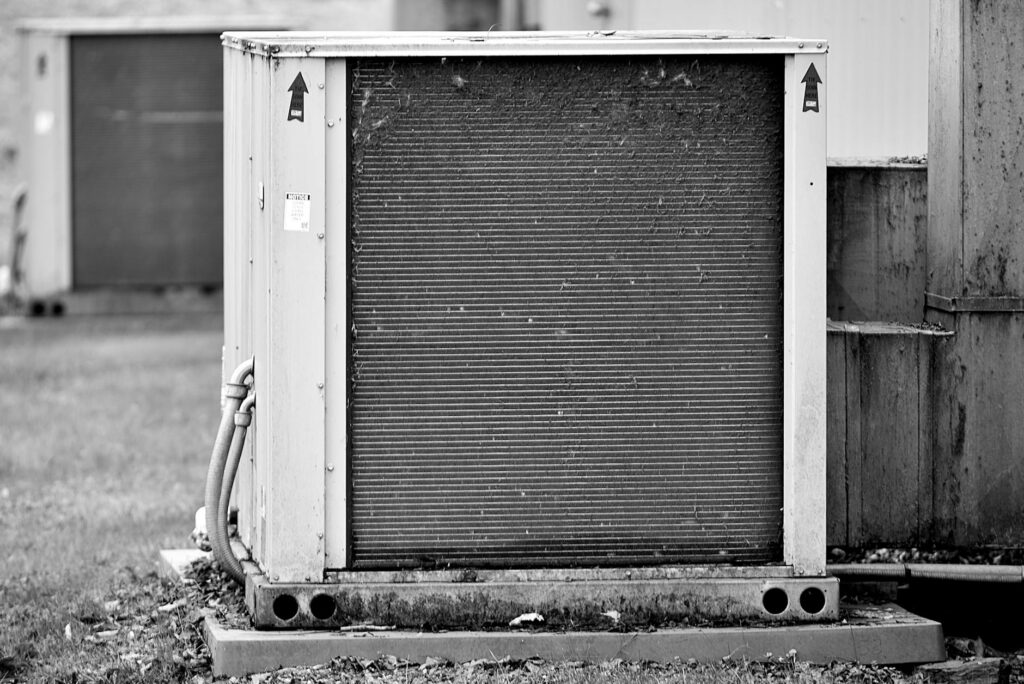
A central HVAC system uses a network of ducts to distribute conditioned air throughout the home from a central air handler. In a typical setup, an outdoor compressor/condenser unit works with an indoor air handler (or a furnace with an evaporator coil) to cool and dehumidify air, which is then pushed through supply ducts to each room and returned through return air ducts. A single thermostat typically controls the entire system, maintaining one temperature throughout the conditioned space.
Central systems are the dominant HVAC technology in American homes and have been refined over decades. Most HVAC contractors are highly experienced with them, replacement parts are widely available, and homeowners are generally familiar with how they operate.
How Mini-Split Systems Work
A mini-split system consists of one or more outdoor compressor units connected to individual indoor air handlers mounted on walls, ceilings, or floors in each zone. There are no ducts — refrigerant lines run through a small hole in the wall between the outdoor and indoor units. Each indoor unit has its own remote control or thermostat, allowing different temperatures in different rooms simultaneously.
Mini-splits are available as cooling-only systems or as heat pumps that provide both heating and cooling. Modern cold-climate mini-split heat pumps can operate efficiently down to -13°F, making them a viable primary heating source even in northern states.
When Central Air Is the Better Choice
Central air conditioning is generally the better option in these situations:
- You already have ductwork in good condition: If your home has a functional duct system, replacing a central AC unit is typically the most cost-effective path. Installing mini-splits in a ducted home often costs more than replacing the central system.
- You want whole-home conditioning from a single system: Central systems excel at treating the entire home as one zone, maintaining consistent temperatures throughout open floor plans.
- Budget is a primary concern: In a home with existing ductwork, central system replacement costs are generally lower than a multi-zone mini-split installation of equivalent capacity.
- You prefer a single thermostat interface: Many homeowners prefer the simplicity of one thermostat controlling the whole house rather than managing multiple remote controls.
When a Mini-Split Is the Better Choice
Mini-split systems have significant advantages in certain scenarios:
- Your home has no existing ductwork: In older homes, additions, converted garages, workshops, or any space without ducts, a mini-split avoids the enormous cost of installing a duct system from scratch. New ductwork installation can cost ,000–5,000 or more.
- You need zone control: If family members have different temperature preferences, or if you have rooms that are used infrequently, individual zone control can deliver significant energy savings. You only condition the spaces that need it.
- Your ductwork is in poor condition: Leaky ducts can waste 25–30% of conditioned air before it reaches the living space. Rather than repair or replace aging ducts, some homeowners find it more economical to go ductless entirely.
- You are adding a room or building an addition: Extending an existing duct system to a new addition is often more expensive and less effective than installing a dedicated mini-split for that space.
- You want high-efficiency heating: Modern heat pump mini-splits achieve heating efficiencies two to three times higher than gas furnaces or resistance electric heat, which translates to dramatically lower heating bills in moderate climates.
Cost Comparison
For a whole-home application, the cost difference depends heavily on whether ductwork already exists. In a ducted home, central system replacement typically runs ,000–3,000 installed for a complete system. A comparable multi-zone mini-split system covering the same home runs 2,000–5,000 installed, because each zone requires its own indoor unit and refrigerant line set.
In a home without ductwork, the math flips. Building a duct system adds ,000–5,000 to a central system installation, while a mini-split system avoids that cost entirely.
Sizing Matters for Both Systems
Regardless of which system type you choose, proper sizing is essential. An oversized central system short-cycles and fails to dehumidify. An oversized mini-split does the same. Both systems should be sized based on a Manual J load calculation that accounts for your home size, insulation, climate, windows, and other factors — not just square footage.
Use our free HVAC size calculator — Directly relevant to readers comparing mini-split systems; installation kits are commonly purchased by homeowners considering this option