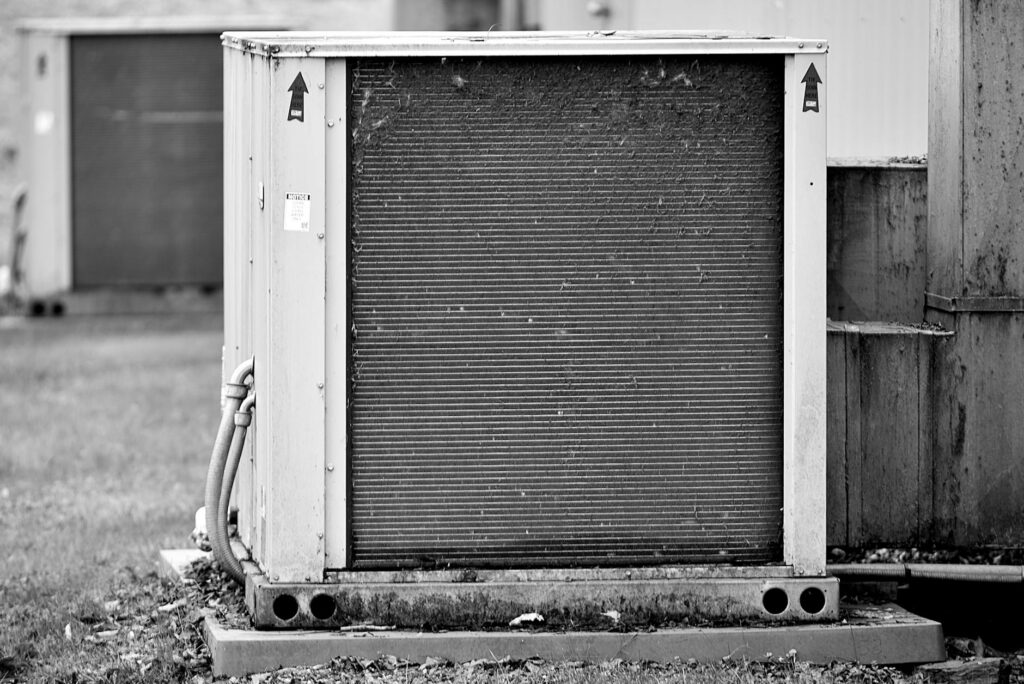
Why HVAC Sizing Problems Are So Common
A surprising number of homes are running HVAC systems that are either too large or too small for the space they serve. This happens for several reasons: contractors who size by habit rather than calculation, homeowners who ask for more capacity just to be safe, or systems that were sized for a previous version of the home before an addition was built or insulation was upgraded. Whatever the cause, a mismatched system delivers poor comfort and higher costs year after year. Knowing the warning signs can help you identify the problem before it becomes an expensive repair.
Signs Your HVAC System Is Oversized
An oversized HVAC system has too much capacity for the home it is serving. The most common signs include:
- Short cycling: The system blasts on at full power, quickly satisfies the thermostat, and shuts off — only to restart 5 or 10 minutes later. You may notice the system turning on and off frequently throughout the day rather than running in longer, steadier cycles.
- Humidity problems: Removing humidity from indoor air requires the air handler to run long enough to condense moisture on the evaporator coil. A system that short-cycles never runs long enough to do this effectively. The result is a home that feels clammy and damp even when the temperature is technically satisfied.
- Hot and cold spots: Rapid, forceful air delivery from an oversized system can pressurize some rooms while others receive inadequate airflow, creating uneven temperatures throughout the house.
- High energy bills despite short run times: HVAC systems draw the most power during startup. Frequent short cycles mean more startup events per hour, which adds up to higher electricity use than a properly sized system running longer cycles.
- Ice on the evaporator coil: Short cycling can cause the coil to frost over in some conditions, further reducing system performance and potentially causing compressor damage.
Signs Your HVAC System Is Undersized
An undersized HVAC system has too little capacity and shows a different set of symptoms:
- The system runs constantly but never reaches the set temperature: On the hottest summer days or coldest winter nights, the system runs without stopping and still cannot maintain your desired temperature.
- Extremely long run cycles: While some extended running on extreme weather days is normal, a system that runs for hours on end during moderate weather is likely too small for the load.
- High utility bills from continuous operation: A system running at 100% capacity for extended periods uses far more energy than a properly sized unit cycling on and off at appropriate intervals.
- Premature equipment wear: Continuous operation accelerates wear on the compressor, blower motor, and heat exchanger, shortening the equipment lifespan considerably.
Other Comfort Complaints That May Signal a Sizing Issue
Some homeowners live with chronic comfort complaints without connecting them to HVAC sizing. These include:
- One or more rooms that are always too hot in summer or too cold in winter
- Persistent odors or stale air that indicates inadequate air changes per hour
- Allergy or respiratory symptoms that worsen at home, which may relate to poor humidity control from an oversized system
- A system that seems to run fine but has required multiple repairs in its first few years of service
What to Do If You Suspect a Sizing Problem
If your HVAC system is showing these symptoms, here are the recommended steps:
- Request a Manual J load calculation: Have a qualified HVAC contractor perform a proper load calculation for your home. Compare the result to your current system size. If your system is significantly over- or under-sized, that is your root cause.
- Check your ductwork: Sometimes what appears to be a sizing problem is actually a duct problem. Leaky or undersized ducts can make a correctly sized system perform like an undersized one. A contractor can perform a duct leakage test to rule this out.
- Review recent home changes: Has your home been reinsulated, had windows replaced, or had an addition built since the system was installed? Any of these changes the cooling and heating load, potentially making the existing system the wrong size.
- Plan for correct sizing at replacement: If your current system is near end of life, resist the temptation to replace it with the same tonnage. Use the replacement as an opportunity to right-size based on a current Manual J calculation.
Use our free HVAC size calculator — Directly complements the post’s focus on sizing problems by providing readers with tools to measure and verify their system size