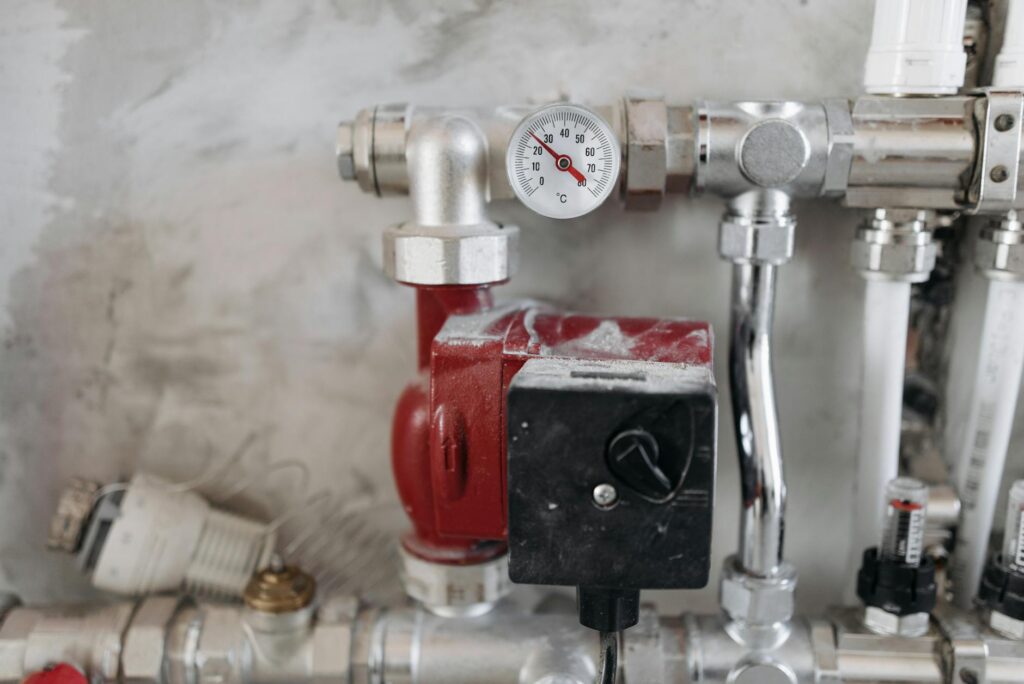
An expansion valve is the unsung hero of your air conditioning system, precisely regulating refrigerant flow to maintain optimal cooling performance and efficiency. Understanding how this component works directly impacts your system’s ability to reach the right temperature and operating cost. Whether you’re sizing a new system or troubleshooting an existing one, knowing about expansion valves helps you make informed decisions about your HVAC investment.
What Expansion Valves Do in Your HVAC System
Expansion valves serve a critical function in the refrigeration cycle: they control the amount of high-pressure liquid refrigerant entering the evaporator coil. Think of the valve as a intelligent gatekeeper that opens and closes based on temperature and pressure readings from inside your system.
Here’s what happens: hot, pressurized refrigerant leaves the compressor and moves through the condenser where it releases heat and becomes a liquid. This liquid then reaches the expansion valve, which restricts its flow and causes a dramatic pressure drop. As pressure decreases, the refrigerant partially evaporates and cools significantly. This cold refrigerant then enters the evaporator coil where it absorbs heat from your home’s indoor air, creating the cooling effect you feel at your vents.
Without a properly functioning expansion valve, your system cannot maintain the right balance. Too much refrigerant flow and your evaporator coil freezes over. Too little and your system won’t cool effectively, running longer cycles and wasting energy. The valve maintains this delicate equilibrium automatically, which is why technicians treat expansion valve problems seriously.
Expansion Valve Types and Efficiency Impact
Not all expansion valves work the same way, and the type installed in your system directly affects efficiency and performance.
Thermostatic Expansion Valves (TXV)
TXVs are the most common choice for residential HVAC systems because they’re responsive and reliable. These valves use a temperature sensing bulb connected to the outlet of the evaporator coil. As refrigerant temperature changes, the bulb expands or contracts, mechanically adjusting the valve opening. This real-time adjustment means the valve continuously fine-tunes refrigerant flow based on actual system conditions.
The efficiency advantage of TXVs is significant: they prevent system superheat (excessive cooling of refrigerant after it leaves the evaporator), which wastes energy and reduces cooling capacity. Modern TXV-equipped systems typically operate 5-15% more efficiently than older fixed orifice designs.
Electronic Expansion Valves (EEV)
Higher-end systems increasingly use electronic expansion valves controlled by microprocessors. These valves receive input from multiple sensors throughout the system and make thousands of micro-adjustments per hour. EEVs offer superior efficiency because they can adapt to varying load conditions, outdoor temperatures, and humidity levels.
The trade-off: EEVs cost more upfront but deliver better performance, especially in variable-speed compressor systems. If you’re investing in a premium HVAC system for a larger home, an EEV-equipped unit justifies the expense through lower operating costs over time.
Fixed Orifice Restrictors
Older and budget-friendly systems sometimes use fixed orifice tubes instead of sophisticated valves. These are literally small holes that restrict flow at a constant rate. While simpler and cheaper, they can’t adapt to changing conditions, leading to less efficient operation. If your system uses this design, you’re likely losing 10-20% efficiency compared to modern alternatives.
Sizing Your System and Expansion Valve Compatibility
When sizing an HVAC system for your home, the expansion valve must be properly matched to your specific cooling needs. This is where many DIY sizing attempts fail.
The valve’s capacity rating must align with your system’s BTU output and refrigerant charge. If a contractor installs an oversized valve on a undersized system, the valve won’t meter flow correctly, and you’ll experience poor humidity control and temperature swings. Conversely, an undersized valve on a larger system creates constant coil freezing and compressor strain.
Several factors determine the right expansion valve specification:
- Evaporator coil size and type — determines required refrigerant flow rate
- Refrigerant type — different refrigerants require different valve designs (R-410A vs. R-22 vs. newer low-GWP options)
- System capacity — measured in tons and BTU/hour
- Outdoor design temperature — affects operating pressures and valve response
- Indoor humidity targets — especially important in humid climates
This is precisely why proper load calculation matters. Using our HVAC system size calculator, you can determine your home’s exact cooling requirements, which then guides the selection of appropriately-sized components, including the expansion valve.
How to Use the Calculator for Better Sizing Decisions
To properly size your system and understand what expansion valve capacity you need, start with accurate load calculations. Our calculator accounts for square footage, insulation levels, window area, orientation, and local climate data to determine your precise cooling load.
Once you know your required BTU capacity, you can discuss expansion valve specifications with HVAC contractors. Ask them specifically which valve type they’re installing and why it matches your system size. A contractor who explains the TXV rating and how it matches your evaporator coil is one you can trust.
Enter your home details into the HVAC system size calculator to get a starting point for productive conversations with contractors about the right equipment for your home.
FAQ: Expansion Valves and System Performance
What happens if my expansion valve fails?
A failed expansion valve creates obvious symptoms: your system either won’t cool effectively, or the evaporator coil frosts over. You’ll notice weak airflow from vents, higher energy bills, or strange gurgling sounds near the indoor unit. Don’t delay replacing a bad valve—continued operation damages the compressor and creates expensive repair situations. Valve replacement typically costs $300-600 depending on system type.
Can I clean an expansion valve instead of replacing it?
Sometimes. If the valve is stuck due to minor debris or oil buildup, a technician can carefully clean it. However, if the valve is mechanically worn or the sensing bulb is damaged, cleaning won’t help. Most HVAC professionals recommend replacement rather than cleaning because the labor cost is similar and a new valve guarantees reliable operation for the next 10-15 years.
Does my system definitely have an expansion valve?
Almost certainly. Every residential air conditioning system must have some mechanism to regulate refrigerant flow. Whether it’s a sophisticated TXV, an electronic valve, or a basic fixed orifice, the component exists. Older systems might use fixed orifice tubes instead of adjustable valves, but the principle remains the same. Your HVAC documentation or a technician can confirm your specific type.
- Digital Refrigerant Scale — Essential tool for HVAC technicians to accurately measure and charge refrigerant through expansion valves, directly relevant to system sizing and efficiency optimization
- HVAC Manifold Gauge Set — Critical diagnostic equipment for measuring pressure and temperature across expansion valves, helping technicians troubleshoot and optimize system performance
- Thermometer Infrared Gun — Allows technicians to monitor temperature differential across expansion valves to verify proper operation and system efficiency during sizing and maintenance
Related reading: 7 Critical Consequences of Undersized HVAC Systems in 2026.
Related: Condenser Unit Size: How It Affects System Efficiency
SPONSORED
Estimating Software Built for HVAC Contractors
ArcSite lets you draw site plans, create estimates, and close jobs faster — all from your phone or tablet. Used by 100,000+ field service professionals.
Try ArcSite Free →Affiliate partner — we may earn a commission at no cost to you.
SPONSORED
Need HVAC Cleaning or Home Services?
Cleanster connects homeowners with vetted cleaning and home service professionals. Book online in minutes.
Book a Service →Affiliate partner — we may earn a commission at no cost to you.