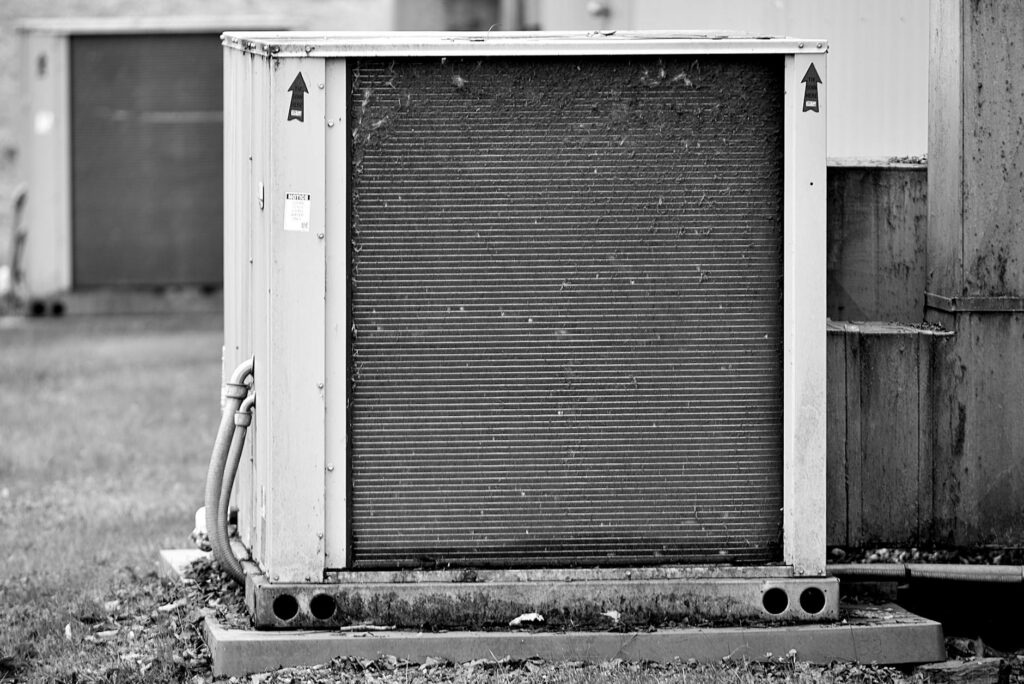
Oversizing or undersizing your HVAC system is one of the costliest mistakes homeowners make, often resulting in energy bills 15-25% higher than necessary and premature equipment failure. When a system isn’t properly sized for your home’s square footage, insulation level, and climate zone, it either runs constantly without reaching comfort or cycles on and off inefficiently, wasting both energy and money. The good news? Understanding these common sizing errors—and how to avoid them—can save you thousands over the life of your system.
Common HVAC Sizing Mistakes: The Oversizing Problem
Oversizing is the most frequent sizing mistake, and it’s surprisingly easy to make. Many homeowners assume “bigger is better,” but an oversized unit actually creates significant problems. According to the U.S. Department of Energy, oversized systems cycle on and off more frequently than properly sized systems, consuming 20% more energy while delivering worse temperature control and comfort.
When your air conditioner or furnace is too large, it reaches the set temperature too quickly, then shuts off. This rapid cycling—called short-cycling—prevents the system from running long enough to effectively dehumidify your home in cooling season. You’ll notice sticky humidity even when the temperature feels right. In heating season, oversized units create uneven heating and temperature swings.
Another cost driver: oversized equipment is more expensive to install and often carries higher repair costs. Many contractors default to larger systems because they want to avoid callback complaints about systems that “can’t keep up,” but this pushes costs onto you.
Common HVAC Sizing Mistakes: The Undersizing Trap
While less common, undersizing creates its own expensive problems. An undersized system runs continuously during peak seasons, never quite reaching your set temperature. Your energy bills climb as the system fights against heat loss in winter or heat gain in summer without adequate capacity to handle the load.
Undersized systems also wear out faster. Components like compressors experience extended stress, leading to premature breakdowns and warranty issues. You might save money on the initial installation, but you’ll pay it back—and then some—through higher utility costs and emergency repairs.
The danger zone: contractors sometimes undersize to win bids on price, knowing you’ll suffer the consequences later. This is why getting multiple quotes and understanding the *why* behind the sizing recommendation matters.
Common HVAC Sizing Mistakes: Ignoring Home Factors Beyond Square Footage
Many sizing mistakes stem from using square footage alone to calculate system capacity. While square footage is a starting point, it’s far from the complete picture. Here are the critical factors professional sizing accounts for:
Insulation and Air Sealing
A 2,000-square-foot home with poor insulation and air leaks needs far more cooling and heating capacity than an equally sized home with new windows, sealed ducts, and upgraded insulation. If a contractor sizes your system based on square footage without assessing insulation quality, you’ll likely end up oversized.
Orientation and Sun Exposure
A home with extensive south-facing windows receives significantly more solar heat gain in summer than one with shaded north-facing walls. Climate zone also matters—a 2,500-square-foot home in Phoenix needs different sizing than the same-sized home in Minneapolis.
Number of Occupants and Heat-Generating Appliances
More people and heat-generating appliances (like kitchens with professional stoves) increase cooling loads. Proper sizing calculations account for these internal heat sources.
Ductwork Condition
Leaky, poorly insulated ducts lose 20-30% of conditioned air before it reaches your rooms. If your ductwork is in poor condition, an undersized system might seem adequate until you fix the ducts—then you’ll have excess capacity and higher equipment costs than necessary.
How to Use the HVAC Sizing Calculator
The most accurate way to avoid sizing mistakes is using a detailed load calculation tool that accounts for all these variables. Use our HVAC BTU calculator to input your home’s specific characteristics—square footage, insulation type, window count, orientation, and climate zone—to get a precise capacity recommendation in tons or BTUs.
This calculator asks the right questions about your home’s unique situation, not just square footage. Once you have your proper size range, share it with contractors to verify their recommendations align. If a quote suggests a system size far different from your calculation result, ask the contractor to explain their sizing methodology in writing.
FAQ: Common HVAC Sizing Questions
What’s the correct way to calculate HVAC system size?
Professional HVAC sizing uses a Manual J load calculation, which is the industry standard. This detailed process evaluates your home’s square footage, insulation R-values, window specifications, orientation, climate zone, occupancy, and ductwork condition to determine exact heating and cooling loads. Contractors who skip this step and estimate based on square footage alone risk recommending an incorrectly sized system. Many manufacturers and professional organizations (like ACCA) require Manual J documentation for warranty purposes.
How much oversizing is too much?
Any oversizing beyond 10-15% of your actual load is excessive and wastes money. Some oversizing (10% buffer) is reasonable for future adjustments or unexpected conditions, but systems 20-30% larger than needed create significant efficiency and comfort problems. This is why getting your actual load calculation matters—it defines the proper size range, not a guess.
Can I add a larger system later if my current system isn’t powerful enough?
Theoretically yes, but practically it’s expensive and creates new problems. Upgrading ductwork, electrical panels, and refrigerant lines adds substantial cost. This is another reason proper sizing before installation is critical—correcting an undersized system is far more expensive than getting it right the first time.
The Bottom Line: Common HVAC sizing mistakes stem from oversimplified calculations that ignore your home’s unique characteristics. Whether a contractor oversizes to play it safe or undersizes to win on price, you pay the penalty through higher energy bills, reduced comfort, and shorter equipment lifespan. Insist on a detailed load calculation, verify recommendations against a sizing tool, and prioritize accuracy over guesswork. Your future utility bills—and your comfort—depend on it.
Related: common HVAC sizing mistakes
Related: expansion valves and system efficiency
Related: AC unit size calculator guide
Related: BTU calculator for HVAC
Related: winter HVAC maintenance checklist
Related: HVAC filter replacement schedule
- Kill A Watt EZ Power Meter — Helps homeowners monitor energy consumption of their HVAC systems to identify inefficiencies caused by improper sizing and track energy waste
- Smart Thermostat (Ecobee SmartThermostat with Voice Control) — Optimizes HVAC system performance and reduces energy bills by improving temperature control, directly addressing the energy waste problem discussed in the post
- HVAC System Professional Load Calculation Service — Connects readers to professional sizing services that prevent the costly oversizing/undersizing mistakes highlighted as the main problem in the article
Related: How to Improve Home Energy Efficiency with HVAC Upgrades
SPONSORED
Estimating Software Built for HVAC Contractors
ArcSite lets you draw site plans, create estimates, and close jobs faster — all from your phone or tablet. Used by 100,000+ field service professionals.
Try ArcSite Free →Affiliate partner — we may earn a commission at no cost to you.
SPONSORED
Need HVAC Cleaning or Home Services?
Cleanster connects homeowners with vetted cleaning and home service professionals. Book online in minutes.
Book a Service →Affiliate partner — we may earn a commission at no cost to you.