Loud HVAC systems are frustrating, but most noise issues have straightforward solutions. Understanding what’s causing the sound—whether it’s rattling, grinding, or whistling—helps you fix it quickly without expensive service calls. In this guide, we’ll walk through the most common HVAC noises and explain how to troubleshoot them yourself.
Common HVAC Noises and Their Causes
Your HVAC system makes different sounds depending on what’s wrong. Identifying the noise type is your first step toward a fix.
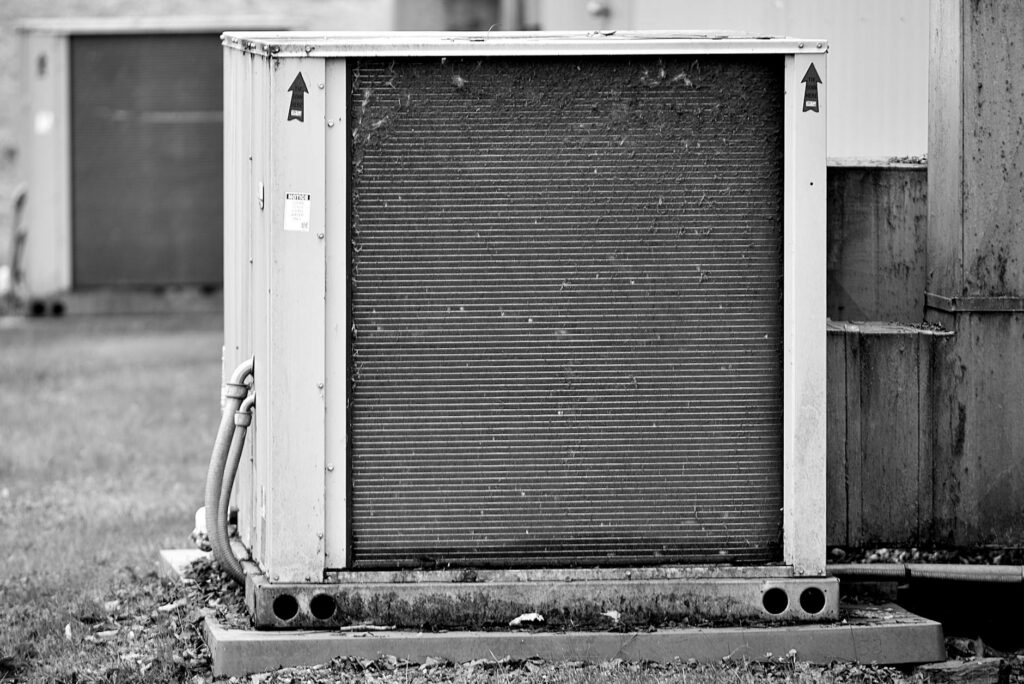
Rattling and Clanking: These metallic sounds usually come from loose components. Vibration during operation can loosen ductwork, fan blades, or fasteners inside the unit. Outdoor condenser units are especially prone to this because they’re exposed to weather and temperature changes that expand and contract metal parts.
Grinding and Squealing: A grinding sound often indicates bearing problems, while high-pitched squealing usually points to a failing motor or belt issue. Both require prompt attention because they can lead to complete system failure if ignored.
Whistling and Hissing: These sounds typically mean air is escaping somewhere it shouldn’t. Leaking ducts, loose connections, or blocked airflow create pressure changes that produce whistling. Hissing might indicate refrigerant leaks in air conditioning systems, which is a serious issue.
Banging and Popping: When you turn your system on or off, occasional popping is normal as metal ducts adjust to temperature changes. However, loud banging suggests ductwork that’s undersized or lacks proper support, causing it to flex violently when air flows through it.
Humming: A steady hum is usually harmless and often just the vibration of the compressor or fan motor. If it’s loud enough to be bothersome, the unit may simply need securing or repositioning.
Simple Fixes You Can Do Today
Before calling a technician, try these maintenance steps that often eliminate noise problems.
Tighten Everything: Turn off your system completely. With a wrench or screwdriver, check all visible bolts and fasteners on both indoor and outdoor units. Gently tighten any that have worked loose. Don’t over-tighten—you just need them snug. Also inspect the area where the unit connects to its mounting pad or stand.
Check and Secure Ductwork: Loose ducts vibrate against framing, creating rattles and clanks. Look for ducts that sag or hang freely. Many can be secured with adjustable metal duct hangers (available at hardware stores). Ensure connections where ducts meet the furnace or air handler are tight. Metal duct tape or mastic sealant can help seal gaps.
Clear Debris: Leaves, twigs, and dirt accumulate around outdoor units and in return air vents. These block airflow and create whistling or cause the fan to work harder. Clean the outdoor unit’s fins with a soft brush and rinse gently with a hose. Remove any vegetation growing around it.
Replace Filters Regularly: A clogged air filter forces your system to work harder, increasing noise. Change filters every 1-3 months depending on usage and household conditions. A clean filter reduces strain and noise while improving efficiency.
Lubricate Moving Parts: Some HVAC systems have oil ports for bearings (check your manual). A few drops of electric motor oil can reduce squeaking. Most modern systems are sealed and don’t need this, but it’s worth checking.
Inspect the Blower Door: The access door to your furnace or air handler should close completely and seal tightly. A loose or bent door allows air to escape and vibrate. Make sure it’s properly latched and the gasket isn’t damaged.
When to Call a Professional
Some HVAC noises signal problems that require professional expertise. If you notice grinding that sounds like metal-on-metal, don’t delay—this usually means bearing failure and continuing to run the system can cause catastrophic damage. Refrigerant hissing (accompanying decreased cooling performance) needs immediate attention because leaks are both dangerous and illegal to leave unfixed.
If you’ve tightened fasteners, cleaned filters, and secured ductwork but noise persists, the issue likely involves internal components. A technician can inspect the blower wheel, motor bearings, and compressor to diagnose problems invisible from outside. Regular preventive maintenance—typically a spring tune-up for air conditioning and fall checkup for heating—catches problems early before they become noisy or expensive.
Also consider noise level when your HVAC system is properly functioning. If it’s always been loud, your system might be oversized or the ductwork undersized. Using our HVAC sizing calculator helps determine if your system matches your home’s actual requirements, which can improve both noise and efficiency.
How to Use Our HVAC Sizing Calculator
An improperly sized HVAC system is a common cause of excessive noise. An oversized unit cycles on and off rapidly, creating banging and popping. An undersized unit runs constantly, producing a constant loud hum. Our HVAC sizing calculator takes just minutes to use and provides accurate sizing recommendations for your home.
Simply input your square footage, climate zone, insulation level, and number of windows. The calculator determines the proper BTU capacity your system should have. If your current system is significantly different, you’ve found a root cause of noise problems. Share the results with an HVAC contractor for verification and potential system replacement options.
Frequently Asked Questions
Is it normal for my HVAC system to make noise?
Yes, some noise is normal. You’ll typically hear a gentle whooshing as air moves through ducts and a quiet hum from the motor. However, loud banging, grinding, squealing, or constant rattling isn’t normal and indicates a problem. If the noise bothers you or has recently gotten louder, investigate it.
Can I fix a noisy HVAC system myself?
You can fix many noise issues yourself by tightening fasteners, cleaning filters, securing ducts, and removing debris. However, internal problems like failing bearings or compressor damage require professional repair. Never open sealed components or handle refrigerant yourself—these tasks need certification and licensing.
Why is my furnace making noise only when it starts up?
Startup noises—popping, banging, or clunking—are often caused by thermal expansion as the system warms up. This is usually harmless. However, if the noise is very loud or accompanied by a burning smell, have a technician inspect it. Oversized systems are also prone to loud startup sounds as air rapidly moves through undersized ducts.