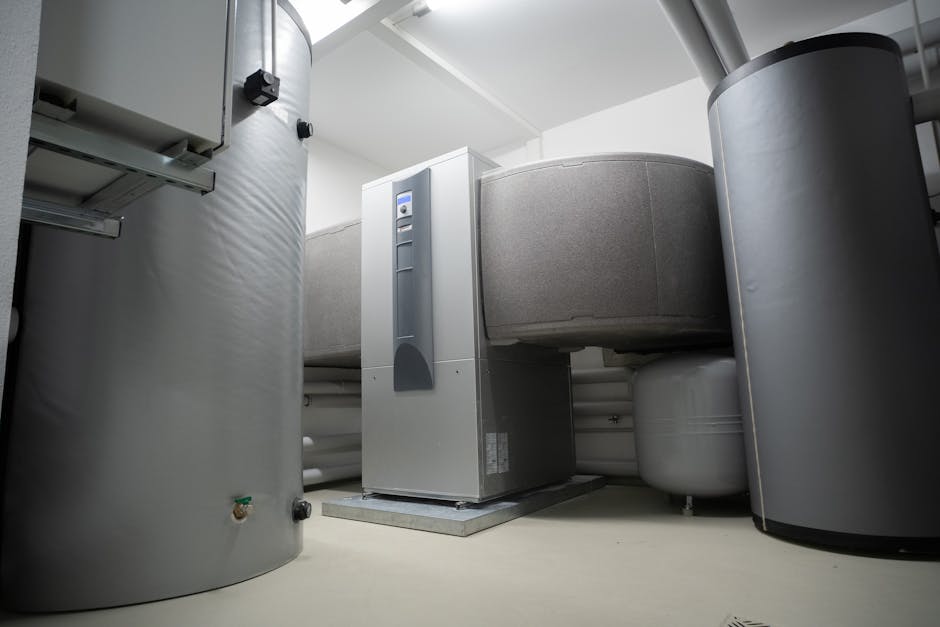
Heat pumps work best in moderate climates with mild winters, transferring existing heat indoors. Furnaces suit cold climates, generating heat through combustion. Choose based on your region’s temperature extremes, energy costs, and budget for optimal heating efficiency.
Heat Pump vs Furnace: Key Differences
Understanding how these two heating systems operate is fundamental to making the right choice for your home. A heat pump extracts warmth from outdoor air or ground, even in cold conditions, and moves it inside using refrigerant and a compressor. This process reverses in summer, providing air conditioning.
A furnace, by contrast, generates heat directly through combustion of natural gas, propane, or electricity. It burns fuel to create warmth that distributes throughout your home via ductwork. This fundamental difference shapes everything from operating costs to climate suitability.
According to ENERGY.GOV’s heating and cooling guidance, heat pumps can deliver 2–3 times more heating energy than the electrical energy they consume, while furnaces convert fuel at 80–98% efficiency depending on age and type.
Is a heat pump or furnace better for cold climates?
Furnaces perform more reliably in extremely cold climates below 0°F. Traditional air-source heat pumps lose efficiency as outdoor temperatures drop, making furnaces the better choice for regions with severe winters. However, newer cold-climate heat pump models now operate effectively down to -13°F, narrowing this advantage.
If you live in the upper Midwest, Northeast, or high-altitude regions with regular sub-zero temperatures, a furnace remains the most dependable heating system. Conversely, if your area rarely experiences temperatures below 30°F, a heat pump delivers superior efficiency and cost savings.
Climate Considerations: Which System Works Best
Your local climate is the single most important factor when choosing between these systems. Heat pumps excel in regions with moderate winters—the Pacific Northwest, Mid-Atlantic, and Southern states benefit most from their efficiency advantages.
In climates with temperature extremes, a hybrid approach often makes sense: a heat pump handles mild days and a furnace provides backup heating during arctic cold snaps. This combination maximizes comfort while maintaining reasonable operating costs.
Consider your area’s average winter low temperatures, frequency of heating days, and electricity versus natural gas costs. If your region experiences harsh winters with regular freezing temperatures, furnace-based heating typically delivers better value. If winters are mild and moderate, a heat pump becomes increasingly attractive both financially and environmentally.
Energy Efficiency and Cost Comparison
How much can you save with a heat pump vs furnace?
In moderate climates, homeowners typically save 30–40% on heating costs by switching from a furnace to a heat pump, according to comparative studies cited by energy efficiency organizations. A heat pump operating in a climate like Tennessee or North Carolina might cost $800–$1,200 annually to heat, while a furnace costs $1,400–$1,800 for the same space.
However, in cold climates where backup electric resistance heating activates frequently, these savings narrow significantly—sometimes to just 10–20% because the system relies less on the efficient heat pump cycle.
Operating costs also depend heavily on local energy rates. In regions where electricity is expensive and natural gas is cheap, furnaces often prove more economical. Where electricity is affordable, heat pumps deliver superior long-term savings despite higher installation costs.
Modern heat pumps typically cost $7,000–$12,000 installed, while furnaces range from $4,000–$8,000. Over 15–20 years, the heat pump’s lower operating costs offset its higher upfront price in appropriate climates.
Installation and Maintenance Requirements
Furnaces generally require simpler installation, especially in homes already equipped with gas lines and ductwork. Most furnace replacements are straightforward retrofits requiring minimal modifications to existing systems.
Heat pumps demand more sophisticated installation, particularly if adding outdoor units or upgrading electrical capacity. However, existing forced-air ductwork works fine with either system, reducing installation complexity.
Maintenance differs notably between systems. Furnaces need annual inspections and filter changes, with occasional cleaning of combustion components. Heat pumps require similar ductwork maintenance plus refrigerant checks, outdoor unit cleaning, and more frequent filter changes due to year-round operation.
Both systems benefit from professional maintenance contracts, typically costing $150–$300 annually. Heat pump maintenance may run slightly higher due to refrigerant and compressor complexity.
How to Use the Calculator
To determine which system suits your specific situation, our HVAC sizing calculator analyzes your home’s square footage, insulation levels, local climate data, and current energy costs to project annual heating expenses for both systems side-by-side.
The calculator compares total cost of ownership over 20 years, accounting for installation, maintenance, and projected energy usage. This data-driven approach removes guesswork from your decision.
For homeowners considering hybrid systems, our hybrid heating system comparison tool models combined furnace-heat pump configurations tailored to your climate zone.
FAQ
What’s the most energy-efficient heating system overall?
Heat pumps are the most efficient heating technology available, with seasonal efficiency ratings (HSPF) reaching 10+ in newer models. However, “most efficient” only applies if your climate matches the technology. A highly efficient heat pump in a location with frequent sub-zero temperatures operates less efficiently than a high-efficiency furnace would in the same location. Matching system type to climate maximizes real-world efficiency.
Can I install a heat pump if I currently have a furnace?
Yes, heat pumps can replace furnaces in most homes. If your home has existing ductwork, installation becomes relatively straightforward. You’ll need adequate outdoor space for the condenser unit and sufficient electrical service. Many homeowners retrofit existing furnace ducts with heat pumps, though some systems benefit from upgrades to maximize performance.
Will a heat pump work in my climate?
Modern heat pumps work effectively in most U.S. climates down to around -13°F. If your area’s winter lows regularly drop below that threshold, a furnace or hybrid system is more practical. Check your area’s average minimum winter temperature against your heat pump’s rated performance range. Our climate zone calculator helps determine compatibility for your specific location.
Final Recommendation: The best heating system for your climate balances efficiency, reliability, and cost. Moderate climates strongly favor heat pumps. Cold climates benefit from furnaces or hybrid systems. Calculate your region’s heating degree days, compare local energy rates, and run projections using a sizing tool before deciding. This systematic approach ensures your heating investment matches both your climate and your budget.
- Honeywell Home Smart Thermostat — Essential for optimizing both heat pump and furnace efficiency; helps homeowners monitor and control their chosen heating system for better energy savings
- HVAC System Air Filter (16x25x1) — Critical maintenance product for both heat pumps and furnaces to maintain heating efficiency and system longevity
- Kill-A-Watt Power Meter — Allows homeowners to measure actual energy consumption of their heating system to compare efficiency costs between heat pump vs furnace options
Related: 5 Essential AFUE Furnace Efficiency Ratings to Know in 2026
Related: Geothermal Heat Pump Systems: Sizing, Cost, and Long-Term Savings
Related: How to Choose the Right Heat Pump for Cold Climates
Related: How to Size a Heat Pump vs Gas Furnace for Your Home – Comparison Calculator Guide
Related: Why Your Heating Bill Is So High and How to Lower It
Related: How to Troubleshoot a Furnace That Won’t Turn On
SPONSORED
Estimating Software Built for HVAC Contractors
ArcSite lets you draw site plans, create estimates, and close jobs faster — all from your phone or tablet. Used by 100,000+ field service professionals.
Try ArcSite Free →Affiliate partner — we may earn a commission at no cost to you.
SPONSORED
Need HVAC Cleaning or Home Services?
Cleanster connects homeowners with vetted cleaning and home service professionals. Book online in minutes.
Book a Service →Affiliate partner — we may earn a commission at no cost to you.