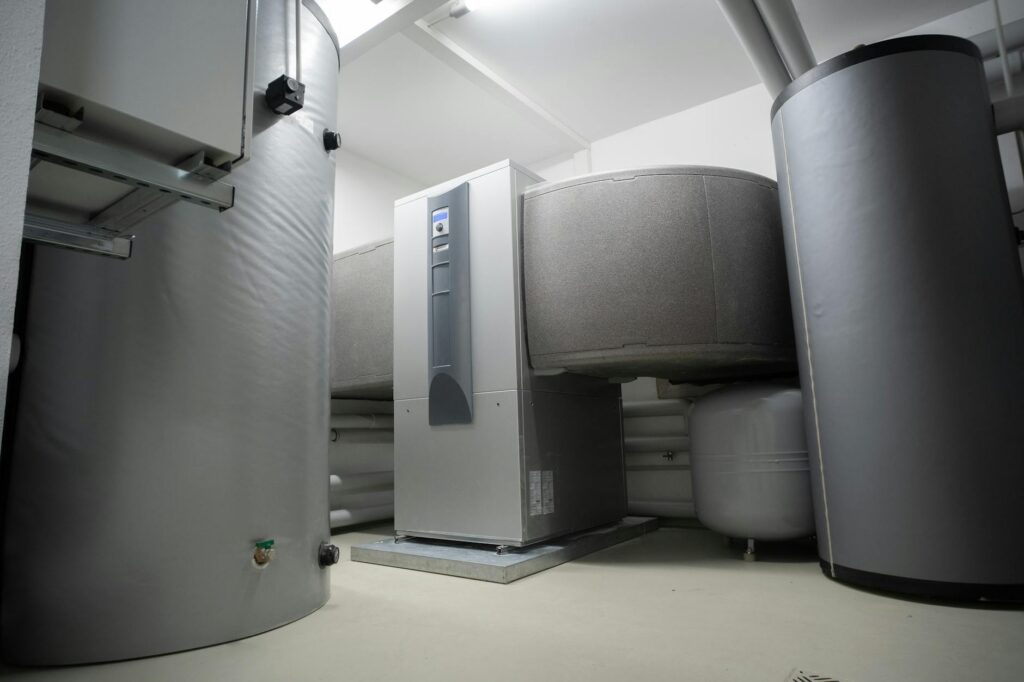
Geothermal heat pump systems are among the most efficient heating and cooling solutions available today, often delivering 300–600% efficiency ratings compared to conventional systems. If you’re considering a geothermal installation, understanding proper sizing, upfront costs, and realistic long-term savings is essential to making an informed decision that fits your budget and climate.
How Geothermal Heat Pumps Work and Why Sizing Matters
Geothermal systems extract stable heat from the ground year-round, using the earth as a thermal reservoir. Unlike air-source heat pumps that struggle in extreme cold, geothermal systems maintain consistent efficiency because ground temperatures stay relatively constant 6–10 feet below the surface.
Proper sizing is critical because an oversized system will cycle on and off too frequently, wasting energy and shortening equipment life. An undersized system will struggle to keep your home comfortable during peak heating or cooling loads. HVAC sizing depends on several factors:
- Square footage and insulation quality – Better insulation reduces load
- Climate zone and outdoor temperature extremes – Colder climates need larger systems
- Number of people in the home – More occupants generate internal heat
- Ground loop type – Vertical loops (closed-loop) vs. open-loop systems affect efficiency
- Local soil conditions – Thermal conductivity impacts heat transfer rates
Sizing is measured in tons of heating/cooling capacity. Most residential systems range from 2 to 5 tons. A proper assessment requires a Manual J load calculation performed by a qualified HVAC professional who evaluates your specific home and location.
Geothermal System Costs: Installation and Equipment Breakdown
Geothermal systems have higher upfront costs than conventional HVAC systems, but this investment pays dividends over time. Here’s what you need to know about pricing:
Equipment and Installation Costs
A typical residential geothermal installation ranges from $15,000 to $30,000, depending on system size, loop type, and local labor rates. Breaking this down:
- Heat pump unit: $8,000–$12,000
- Ground loop installation: $6,000–$15,000 (the most expensive component)
- Interior ductwork and controls: $2,000–$5,000
- Permits and inspections: $500–$2,000
Vertical closed-loop systems cost more to install than horizontal loops but require less land. Open-loop systems (which use groundwater) are cheapest but only work if local codes permit and groundwater quality is suitable.
Operating Costs
Once installed, geothermal systems are remarkably cheap to operate. Monthly heating and cooling bills typically drop 40–70% compared to conventional systems. Electricity costs for a geothermal system average $800–$1,500 annually for heating and cooling, while older oil or electric resistance systems may cost $2,000–$4,000 or more.
Long-Term Savings and Return on Investment
The real value of geothermal systems emerges over 15–25 years of operation. Here’s a realistic financial picture:
Annual Savings Example
Consider a homeowner upgrading from an aging electric resistance heating system in a moderate climate:
- Current annual heating/cooling cost: $2,500
- Geothermal annual cost: $900
- Annual savings: $1,600
On a $22,000 installation, the system pays for itself in approximately 14 years. After that, savings compound. Over a 25-year system lifespan, total savings reach $40,000+ before accounting for inflation.
Incentives That Accelerate Payback
Federal and state incentives significantly improve your return on investment. The federal Residential Energy Efficiency Tax Credit currently covers 30% of geothermal installation costs. Many states and utilities offer additional rebates of $1,000–$5,000. These incentives can reduce your net installation cost to $10,000–$17,000, cutting payback time to 6–10 years.
Other Long-Term Benefits
- Longevity: Geothermal systems last 25–50 years, much longer than conventional systems (15–20 years)
- Low maintenance: Fewer moving parts and no outdoor compressor exposure mean lower service costs
- Home value: Energy-efficient homes appraise higher and sell faster
- Protection against energy price increases: Electricity rates rise predictably; you’re insulated from fuel cost volatility
How to Use the Calculator to Estimate Your System Size and Costs
To get a personalized estimate for your home, use our HVAC size calculator, which walks you through key factors like your home’s square footage, insulation level, and climate zone. While this tool provides guidance for standard air-source systems, the load calculation principles apply to geothermal sizing as well. Share your results with a licensed geothermal contractor who can perform a detailed Manual J assessment and quote system-specific costs for your property.
Frequently Asked Questions
How much space do I need for a geothermal ground loop?
Vertical closed-loop systems require drilling 150–300 feet deep per ton of capacity, occupying minimal surface space—ideal for small lots. Horizontal loops need about 600–800 square feet of open ground per ton. Open-loop systems need groundwater access. A professional geothermal designer evaluates your property to recommend the best option.
Will a geothermal system work in my cold climate?
Yes. Geothermal systems perform exceptionally well in cold climates because ground temperatures remain stable. In fact, they’re most cost-effective in regions with harsh winters and high heating demands. Northern states like Minnesota, Wisconsin, and New England see some of the fastest payback times.
What’s the difference between geothermal and air-source heat pumps?
Air-source heat pumps exchange heat with outdoor air and lose efficiency in extreme cold. Geothermal systems use underground loops to access stable ground temperatures, delivering consistent 300–600% efficiency year-round. Geothermal costs more upfront but operates at higher efficiency, resulting in lower lifetime energy costs for most homeowners.
- Kill A Watt Electric Usage Monitor — Helps homeowners measure their current energy consumption before and after geothermal installation to track actual savings and efficiency improvements.
- Smart Thermostat (Ecobee or Nest) — Essential for optimizing geothermal heat pump performance and maximizing long-term savings through intelligent temperature scheduling and energy monitoring.
- HVAC System Design and Load Calculation Software — Complements the sizing information in the post by providing homeowners with tools to better understand their specific heating/cooling load requirements before professional installation.
Related: Geothermal Heat Pumps: Are They Worth the Investment?
SPONSORED
Estimating Software Built for HVAC Contractors
ArcSite lets you draw site plans, create estimates, and close jobs faster — all from your phone or tablet. Used by 100,000+ field service professionals.
Try ArcSite Free →Affiliate partner — we may earn a commission at no cost to you.
SPONSORED
Need HVAC Cleaning or Home Services?
Cleanster connects homeowners with vetted cleaning and home service professionals. Book online in minutes.
Book a Service →Affiliate partner — we may earn a commission at no cost to you.