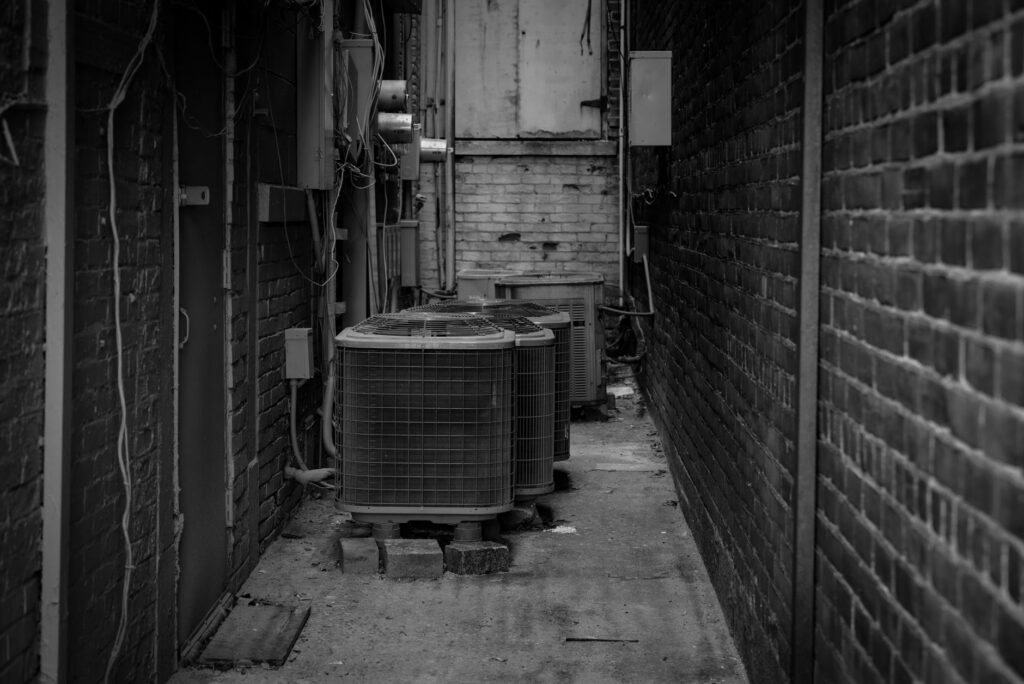
Choosing the right HVAC system for your home isn’t just about finding the cheapest unit at your local contractor’s showroom. Proper HVAC sizing is one of the most critical decisions you’ll make as a homeowner, directly impacting your comfort, energy bills, and system lifespan. An undersized unit will struggle to cool or heat your home, running constantly and driving up utility costs. An oversized system wastes money and cycles on and off frequently, reducing efficiency and creating uncomfortable temperature swings. This guide walks you through everything you need to know about HVAC sizing so you can make an informed decision before your next installation.
What Is HVAC Sizing and Why Does It Matter?
HVAC sizing refers to calculating the correct heating and cooling capacity your home needs, measured in BTU (British Thermal Units) per hour. One BTU is the amount of energy required to raise the temperature of one pound of water by one degree Fahrenheit. A typical home might need a system ranging from 24,000 to 60,000 BTU/h depending on size, climate, and insulation quality.
Proper sizing matters because it determines whether your system operates in the ideal efficiency range. According to the U.S. Environmental Protection Agency, an oversized system can waste 20-40% more energy than a correctly sized unit. Beyond energy waste, undersized systems degrade faster due to constant operation, leading to premature repairs and replacement costs of $5,000 to $10,000. Getting the sizing right from the start can save homeowners $1,000 to $3,000 over a system’s 15-20 year lifespan.
Key Factors That Determine Your HVAC Size
Several variables influence the correct HVAC capacity for your home. Understanding these factors helps you work more effectively with contractors or use our free HVAC sizing calculator to estimate your needs.
Square footage: The total conditioned area of your home is the foundation of any sizing calculation. A 2,000 square foot home requires significantly less capacity than a 5,000 square foot home. As a rough baseline, most homes need approximately 20 BTU per square foot in moderate climates, though this can range from 15 to 30 BTU depending on other factors.
Climate zone: Homes in hot, humid regions like Florida or Texas require larger cooling capacities than those in temperate zones like the Pacific Northwest. Similarly, homes in cold climates like Minnesota need more powerful heating capacity. Your climate zone directly affects both the total capacity needed and the ratio of cooling to heating capability.
Insulation quality: Homes with excellent insulation, modern windows, and proper air sealing need less capacity than older homes with drafty windows and thin walls. Upgrading insulation before installing a new HVAC system often allows you to downsize your equipment, reducing installation costs by 10-20%.
Number and size of windows: Large windows, especially those facing south or west, allow significant heat gain or loss depending on season. A home with extensive south-facing windows may need 15-20% more cooling capacity than an identical home with fewer windows.
Occupancy and heat-producing appliances: More people and appliances like stoves and computers generate heat. A home office with multiple computers and four occupants generates more internal heat than a smaller home with fewer people, affecting cooling requirements.
Ductwork efficiency: Poorly designed or leaky ducts can reduce system efficiency by 15-30%. If your home has existing ductwork, its condition affects whether you need to oversize slightly to compensate for distribution losses.
How HVAC Sizing Is Calculated: Manual J Method
Professional HVAC contractors use a detailed calculation called the Manual J method, developed by the Air Conditioning Contractors of America (ACCA). This industry standard considers all the variables mentioned above plus dozens of micro-factors to determine exact heating and cooling loads.
The Manual J process involves:
Measuring your home’s exterior dimensions and calculating total square footage of each room and floor level. Documenting the R-value of insulation in walls, attic, and basement. Recording the number, size, direction, and type of windows and doors. Noting the local design temperature for both summer and winter (the temperature your system should maintain). Calculating infiltration rates and air changes per hour. Accounting for internal heat sources and occupant load. Analyzing ductwork layout and efficiency.
This thorough analysis produces a heating load (measured in BTU/h for winter) and a cooling load (measured in tons, where one ton equals 12,000 BTU/h). A correctly sized system should operate at 80-85% of its maximum capacity during design conditions, ensuring efficiency while maintaining comfort.
Common HVAC Sizing Mistakes to Avoid
Many homeowners and even some contractors make sizing errors that lead to wasted money or uncomfortable homes. The most frequent mistake is oversizing based on the assumption that bigger is always better. Oversized systems short-cycle, meaning they reach the desired temperature too quickly, shut down, and restart frequently. This constant cycling reduces efficiency and can increase humidity in summer because the system doesn’t run long enough to dehumidify properly.
Another common error is basing sizing on old system capacity without proper recalculation. Home improvements like adding insulation, replacing windows, or remodeling can significantly reduce load requirements, meaning your old 5-ton system might have been oversized for today’s improved home.
Some contractors size equipment based on price shopping rather than load calculation. This leads to recommending the cheapest unit that fits the space rather than the right unit for the home’s actual needs. Always request a detailed Manual J calculation before accepting a quote.
Ignoring local climate data is another pitfall. Using standard design temperatures instead of actual local historical data can result in either oversizing or undersizing depending on your specific region. Work with contractors familiar with your area’s actual temperature extremes.
HVAC Sizing and Installation Costs
The total cost of a new HVAC system ranges from $3,500 to $8,000 for a central air system in an average home, with larger homes or complex installations reaching $10,000 to $15,000. Proper sizing influences these costs significantly. A correctly sized system might cost $4,000 to $6,000, while an oversized system could exceed $8,000, adding unnecessary expense that never recovers through operation.
Energy savings from properly sized systems typically amount to $30-60 monthly compared to oversized units, depending on local utility rates and climate. Over a 15-year system lifespan, these savings accumulate to $5,400 to $10,800. When combined with reduced repair costs from a properly functioning system, correct sizing becomes a sound financial investment.
Installation costs also vary based on complexity. Simple replacements with existing ductwork run $3,500-$5,000. New installations requiring ductwork design and installation run $6,000-$10,000. Ductless mini-split systems, which require no extensive ductwork, range from $2,500 to $6,000 per zone.
Frequently Asked Questions
What size HVAC system do I need for a 2,000 square foot home?
Most 2,000 square foot homes in moderate climates need between 3.5 and 5 tons of cooling capacity (42,000 to 60,000 BTU/h) and similar heating capacity. The exact size depends on insulation, climate, windows, and other factors. A proper Manual J calculation is the only way to determine your exact requirements rather than rough estimates.
Can I install a larger HVAC system than recommended?
Oversizing your system is strongly discouraged because it wastes energy, reduces comfort through short-cycling, and increases upfront costs. Even if you plan future home additions, it’s better to properly size for your current home and upgrade the system later if needed. Most systems last 15-20 years, and your needs may change significantly in that timeframe.
How often should HVAC sizing be recalculated?
Recalculate sizing whenever you plan significant home improvements like major insulation upgrades, window replacement, room additions, or if you’re replacing an existing system. If your home hasn’t changed significantly, the original sizing remains valid. Many contractors recalculate sizing automatically when providing replacement quotes.
Does HVAC sizing affect heating and cooling equally?
Not necessarily. Some climates require more cooling capacity than heating or vice versa. A home in Arizona needs substantial cooling but minimal heating, while a home in Minnesota needs robust heating and moderate cooling. Professional sizing calculates separate heating and cooling loads, ensuring your system matches your actual needs in both seasons.
What’s the difference between SEER and HVAC sizing?
SEER (Seasonal Energy Efficiency Ratio) measures how efficiently an air conditioner operates, while sizing determines the capacity you need. Both matter: an undersized, highly efficient system won’t cool your home adequately, while an oversized, efficient system wastes money through excessive operation. You need both proper sizing and high efficiency for optimal results.
Conclusion
HVAC sizing is the foundation of a comfortable, efficient home climate system. Investing time in proper calculations through the Manual J method saves thousands of dollars over your system’s lifespan while ensuring year-round comfort. Whether you’re preparing for a new installation or evaluating your current system, understanding the factors that determine proper sizing empowers you to make better decisions and have informed conversations with contractors.
Avoid the common mistakes of oversizing, ignoring climate data, and accepting quotes without load calculations. Instead, demand proper sizing analysis from any contractor you work with, and verify their recommendations against industry standards.
Use Our Free HVAC Sizing Calculator
Stop guessing about your HVAC needs. Head to hvacsizecalc.com and try our free HVAC sizing calculator to receive an instant estimate of your required heating and cooling capacity. Our
- Digital Thermostats & Smart Home Temperature Control — Complements HVAC sizing by allowing homeowners to monitor and optimize their properly-sized system’s performance and energy efficiency
- HVAC System Air Filters & Maintenance Kits — Essential maintenance products that help homeowners protect their investment in a correctly-sized HVAC system and maintain peak efficiency
- Home Energy Audit & HVAC Load Calculation Tools — Practical tools that help homeowners understand their home’s heating/cooling needs and validate proper HVAC sizing calculations
Related: AC Unit Size Calculator: Your Complete Guide to Finding the Right Cooling Capacity
Related: HVAC Retrofitting in Older Homes: Sizing Guide
Related: Common HVAC Sizing Mistakes That Waste Energy and Money
Related: Complete Guide to HVAC Load Calculation: Why It Matters and How to Get It Right
SPONSORED
Estimating Software Built for HVAC Contractors
ArcSite lets you draw site plans, create estimates, and close jobs faster — all from your phone or tablet. Used by 100,000+ field service professionals.
Try ArcSite Free →Affiliate partner — we may earn a commission at no cost to you.
SPONSORED
Need HVAC Cleaning or Home Services?
Cleanster connects homeowners with vetted cleaning and home service professionals. Book online in minutes.
Book a Service →Affiliate partner — we may earn a commission at no cost to you.