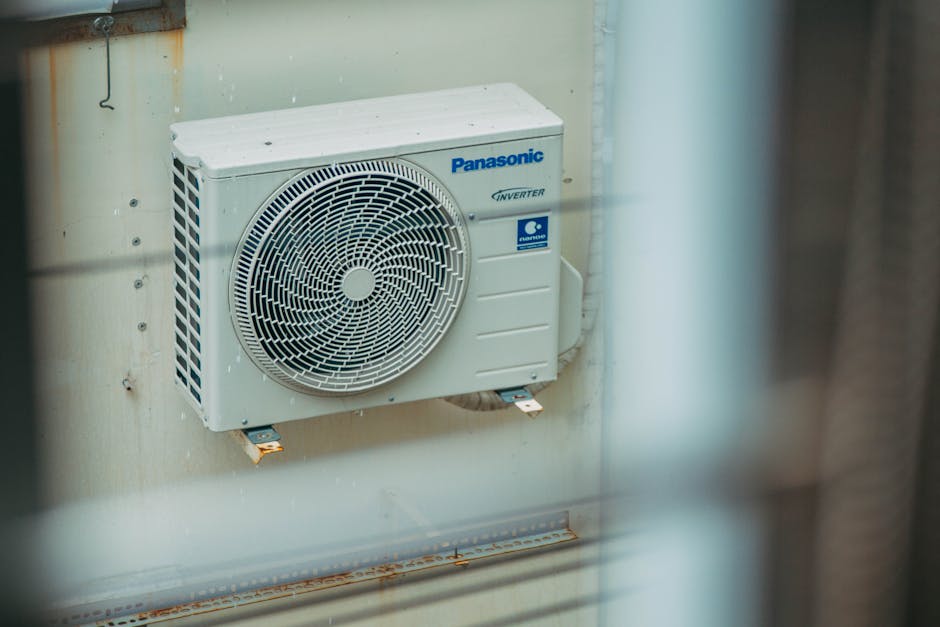
Inverter AC technology reduces energy consumption by using a variable-speed compressor that adjusts cooling output based on room temperature, rather than cycling on and off repeatedly. This continuous operation at optimal levels prevents energy waste and can reduce electricity bills by 20–40% compared to traditional fixed-speed AC units. (Related: VRF System Sizing and Zoning: The Complete 2026 Guide) (Related: The Complete Guide to Two-Stage Cooling: Is It Worth It in 2026?) (Related: HVAC Repair vs Replacement Cost: The Complete 2026 Guide) (Related: Heat Pump Sizing Calculator: How to Right-Size a Heat Pump for Maximum Energy Savings and Lower Bills) (Related: Tons of Cooling Calculator: Size Your AC System Right) (Related: Air Handler vs Air Conditioner: The Complete 2026 Difference Guide)
What Is Inverter AC Technology?
At the heart of every air conditioner is a compressor — the component that pressurizes refrigerant to move heat out of your home. In a traditional non-inverter AC, that compressor runs at one fixed speed: fully on or completely off. Every time the room warms up slightly, the compressor kicks back on at full power, drawing a massive surge of electricity in the process.
Inverter AC technology eliminates that cycle entirely. Using an inverter drive (a sophisticated electronic controller), the system continuously monitors indoor temperature and modulates compressor speed in real time. When your room is close to the target temperature, the compressor slows down to just 20–30% of its maximum capacity. When the room heats up quickly on a hot afternoon, it ramps up to 100%. This variable-speed compressor AC behavior means the unit almost never shuts off completely — it just works smarter.
According to the U.S. Department of Energy’s guidance on heating and cooling, variable-speed systems consistently rank among the most efficient options available to homeowners, largely because eliminating on/off cycling removes one of the biggest sources of wasted electricity in residential HVAC.
What Is the Difference Between Inverter and Non-Inverter Air Conditioners?
The core difference is compressor control. A non-inverter unit has one speed: full power. It reaches the set temperature, shuts off, lets the room warm up, then blasts back on again — a cycle that repeats dozens of times per hour. An inverter air conditioner efficiency advantage comes from maintaining temperature continuously at a lower, steadier power draw. The result is not just lower energy use but also more consistent comfort, quieter operation, and less mechanical stress on components.
How Inverter AC Reduces Energy Consumption
Understanding inverter AC technology energy consumption requires looking at where traditional systems waste power most. Here are the five proven mechanisms through which inverter ACs cut your electricity use:
- Eliminating start-up power surges. Every time a fixed-speed compressor restarts, it draws 3–5 times its normal running current for several seconds. Inverter compressors start slowly and rarely reach that surge threshold.
- Matching output to actual load. On a mild day, your home needs far less cooling than on a 100°F afternoon. A variable-speed compressor AC scales down to match real demand instead of always delivering maximum output.
- Maintaining tighter temperature bands. Fixed-speed units allow room temperature to swing 3–5°F above the setpoint before restarting. Inverter units hold within ±0.5–1°F, so the space never overheats and re-cooling costs are minimized.
- Reducing run-time at peak power. Because the compressor modulates continuously, it spends very little time at maximum capacity — the highest-consumption operating state.
- Optimizing refrigerant flow dynamics. Slower compressor speeds allow refrigerant to transfer heat more efficiently, improving the system’s Coefficient of Performance (COP) under partial load conditions.
Before you invest in a new system, it’s worth confirming your home’s cooling requirements are accurate. Use our BTU calculator to determine the right capacity — oversizing an inverter AC undermines its efficiency advantage because the unit will rarely operate in its optimal partial-load range.
Inverter vs Non-Inverter AC: Energy Comparison
Let’s put real numbers behind inverter air conditioner efficiency. The Seasonal Energy Efficiency Ratio (SEER2) rating, which became the U.S. federal measurement standard in 2023, measures how much cooling output a system delivers per unit of electricity consumed over an entire season.
- Standard non-inverter AC: Typically rated SEER2 13–15 (minimum federal compliance level in most regions)
- Mid-range inverter AC: Typically rated SEER2 18–22
- High-efficiency inverter AC (mini-split): SEER2 25–38+
A home in a hot climate running a 3-ton (36,000 BTU) system for 1,500 hours per year illustrates the gap clearly:
- At SEER2 14 (non-inverter): approximately 3,857 kWh per season
- At SEER2 22 (inverter): approximately 2,455 kWh per season
- Annual savings: ~1,400 kWh, or roughly $168–$210 at average U.S. electricity rates of $0.12–$0.15 per kWh
That gap widens considerably in regions with higher electricity costs or longer cooling seasons. Understanding how to size your system correctly matters just as much as the technology itself — an oversized inverter unit won’t achieve those SEER2 ratings in real-world operation. Our AC size calculator walks you through the Manual J-based methodology used by HVAC professionals to find your true cooling load.
How Much Money Can You Save With an Inverter AC?
Most homeowners save between $150 and $500 per cooling season after switching from a fixed-speed to an inverter AC, depending on climate zone, home size, electricity rates, and usage patterns. Over a 15-year system lifespan, that totals $2,250–$7,500 in electricity savings — often exceeding the price premium paid for the inverter unit at purchase. Federal tax credits for high-efficiency systems under the Inflation Reduction Act can further reduce your upfront investment, making the ROI calculation even more favorable.
Cost Savings and ROI of Inverter AC Units
The typical price premium for an inverter AC over a comparable non-inverter model runs $300–$800 at the unit level, with installation costs roughly equivalent between the two technologies. At $200 in average annual savings, payback periods typically fall in the 2–4 year range — well within the system’s operational life.
Key factors that improve your ROI:
- Higher local electricity rates (above $0.14/kWh accelerates payback significantly)
- Longer cooling seasons (Southern and Southwestern U.S. climates benefit most)
- Qualifying for the 25C federal tax credit (up to $600 for qualifying HVAC equipment)
- Utility rebates available through many regional programs
As noted in energy.gov’s homeowner resources, combining proper sizing with high-efficiency equipment consistently delivers the strongest long-term results. Efficiency ratings only reflect real savings when the system is correctly matched to your home’s load.
Choosing the Right Inverter AC for Your Home
Selecting the right inverter AC involves three core decisions: system type, capacity, and efficiency rating. Ductless mini-splits offer the highest available SEER2 ratings and work well for room additions, retrofits,
- Inverter AC Unit (LG or Daikin) — Directly addresses the main topic; readers interested in energy-efficient cooling will want to purchase inverter AC systems to implement the technology discussed
- Smart Thermostat (Ecobee or Nest) — Complements inverter AC systems by optimizing temperature control and maximizing energy savings; readers can track and manage consumption further
- Energy Monitor Plug (Kill-A-Watt) — Allows readers to measure actual energy consumption savings from their inverter AC units, validating the 20-40% reduction claims mentioned in the post
Related: Variable Speed HVAC Systems: Energy-Saving Technology Explained
See also: How to Size a Heat Pump vs Gas Furnace for Your Home – Comparison Calculator Guide
See also: The Complete Guide to HVAC Load Calculation in 2026
See also: Air Handler vs Air Conditioner: The Complete 2026 Guide
See also: HVAC System Cost Guide by Home Size: What Homeowners Should Budget for 1,500-3,000 sq ft Homes
See also: Manual J Calculation: The Complete Guide for Homeowners
Related: 7 Proven Smart Thermostat Benefits for Energy Savings in 2026
SPONSORED
Estimating Software Built for HVAC Contractors
ArcSite lets you draw site plans, create estimates, and close jobs faster — all from your phone or tablet. Used by 100,000+ field service professionals.
Try ArcSite Free →Affiliate partner — we may earn a commission at no cost to you.
SPONSORED
Need HVAC Cleaning or Home Services?
Cleanster connects homeowners with vetted cleaning and home service professionals. Book online in minutes.
Book a Service →Affiliate partner — we may earn a commission at no cost to you.