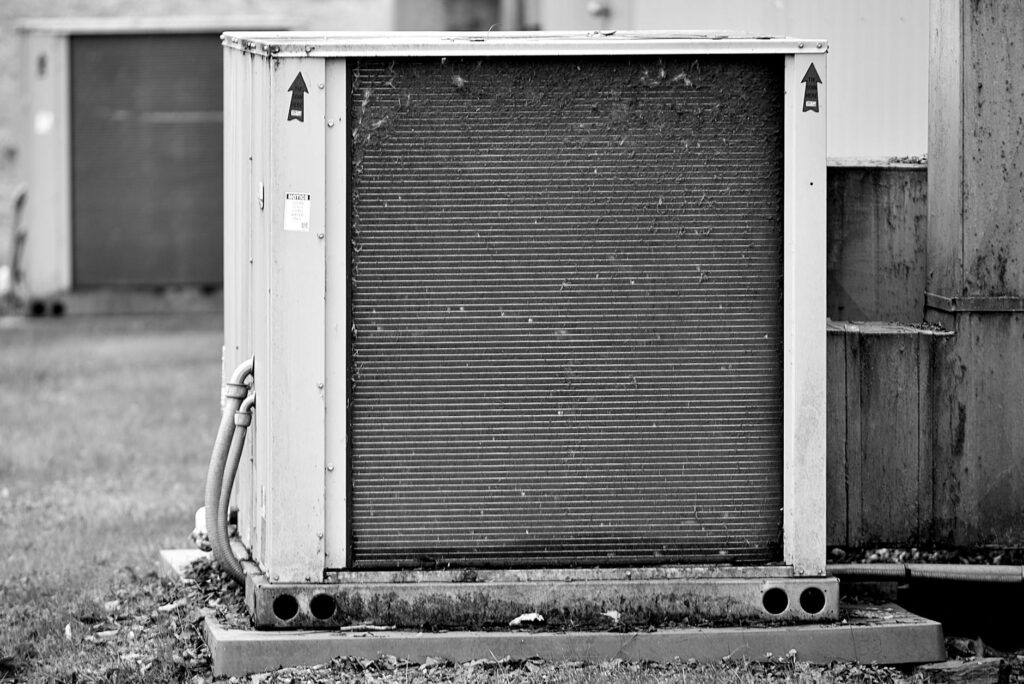
Choosing the correct HVAC system size is one of the most critical decisions you’ll make for your home’s comfort and energy efficiency. Many homeowners rely on guesswork or outdated rules of thumb, only to end up with systems that are either undersized—leaving them sweltering in summer—or oversized—wasting energy and money month after month. An HVAC tonnage calculator eliminates the guesswork by helping you determine the exact cooling and heating capacity your home needs, measured in tons and BTU/hour.
In this guide, we’ll walk you through everything you need to know about HVAC tonnage, how calculators work, and why professional sizing matters for your wallet and comfort.
What Is HVAC Tonnage and Why Does It Matter?
HVAC tonnage measures the cooling capacity of an air conditioning system. One ton of cooling capacity equals 12,000 British Thermal Units (BTUs) per hour. So a 3-ton system removes 36,000 BTUs of heat from your home per hour. This measurement is crucial because it directly determines whether your air conditioner can handle your home’s heat load during the hottest summer months.
An undersized system will run continuously, struggle to maintain comfortable temperatures, wear out faster, and cost more to operate. An oversized system cycles on and off too frequently, fails to dehumidify properly, increases wear on components, and drives up your utility bills. The sweet spot—the correctly sized system—provides comfort, efficiency, and reliability for 15 to 20 years of operation.
Residential systems typically range from 1.5 tons to 5 tons, with most homes falling between 2.5 and 4 tons depending on climate, square footage, insulation, and local weather patterns.
How an HVAC Tonnage Calculator Works
A professional HVAC tonnage calculator analyzes multiple factors to determine your exact sizing needs. Rather than using the outdated “400 to 600 square feet per ton” rule, modern calculators apply the ACCA Manual J standard—the industry-recognized methodology for load calculation.
The calculator typically requests the following inputs:
- Square footage: Total conditioned living space
- Geographic location: Climate zone and outdoor design temperature
- Insulation quality: Whether your attic, walls, and basement are well-insulated
- Window type and orientation: Single-pane vs. double-pane, number of south-facing windows
- Occupancy: Number of people typically in the home
- Internal heat sources: Kitchen appliances, electronics, lighting
- Current comfort issues: Hot spots, rooms that don’t cool evenly
By weighing all these variables, an HVAC tonnage calculator produces a recommended capacity range. For example, a 2,000-square-foot well-insulated home in a moderate climate might need a 3.5-ton system, while an identical home in Arizona might require 4.5 tons due to extreme outdoor heat.
Manual J Load Calculation: The Industry Standard
Manual J is the Air Conditioning Contractors of America (ACCA) protocol for residential load calculation. It’s the methodology that HVAC professionals use when providing formal quotes, and it’s what credible online calculators are based on.
A proper Manual J calculation accounts for external loads—outdoor temperature, solar radiation through windows, roof and wall heat gain—and internal loads, such as occupant body heat, cooking, and lighting. The calculation also factors in seasonal variation, meaning the summer cooling load (which determines your AC ton size) differs from the winter heating load (which determines your furnace capacity).
When you use our free HVAC sizing calculator, you’re applying the same principles that a home improvement writer would use, but instantly and at no cost. The result is a tonnage recommendation backed by decades of HVAC science.
HVAC Sizing Cost Implications
Getting your tonnage right has direct financial consequences. A correctly sized system typically costs between $5,000 and $10,000 installed, depending on system type (central air, heat pump, mini-split) and your region. Within that range, a 3-ton system costs roughly $500 to $800 less than a 5-ton system because it uses fewer materials and requires less installation labor.
However, choosing the wrong size can cost you far more than the initial upcharge:
- Oversized systems: Energy waste of 10% to 30% annually. A home spending $1,200 per year on cooling could waste $120 to $360 with an oversized unit.
- Undersized systems: Inability to reach setpoint on extreme days, causing emergency service calls ($200 to $500 each) and potential compressor burnout requiring replacement ($3,000 to $5,000).
- Short-cycling penalties: Oversized systems that turn on and off frequently reduce efficiency, increase noise, shorten lifespan from 18 years to 12 years, and cost an extra $1,500 to $3,000 in premature replacement.
By investing 10 minutes in an accurate HVAC tonnage calculator before you call contractors, you’ll avoid these pitfalls and ensure your $7,000 system investment delivers value for two decades.
Common Sizing Mistakes to Avoid
Many homeowners and even some contractors make avoidable mistakes when sizing HVAC systems. The most common is using the outdated “500 square feet per ton” rule. This rule ignores climate, insulation, and window quality, making it inaccurate in 40% of cases.
Another mistake is letting the contractor size based on your current system’s capacity. If your old 2-ton system struggled to cool your home in summer, oversizing to 3 tons might seem like the fix—but the real issue might be poor ductwork, air leaks, or inadequate insulation. Oversizing won’t solve those problems and will create new ones.
A third error is not accounting for planned home improvements. If you’re adding a second story, new windows, or better insulation, your cooling load changes. A tonnage calculator should let you model these upgrades so you don’t size for your current condition only to outgrow or oversize the system in two years.
Frequently Asked Questions
What size HVAC system do I need for 2,000 square feet?
A 2,000-square-foot home typically needs between 3 and 4 tons, but the exact size depends on your climate, insulation, windows, and local summer temperatures. A home in Seattle might need 3.5 tons, while an identical home in Phoenix could require 4.5 tons. Use an HVAC tonnage calculator specific to your zip code for an accurate estimate.
Is a bigger HVAC system always better?
No. Oversized systems are less efficient, less effective at dehumidifying, noisier, and wear out faster. They also cost more upfront and to operate. The correctly sized system—not the biggest one—provides the best comfort and lowest lifetime costs.
How do I know if my current HVAC system is the right size?
If your home cools evenly, reaches your setpoint by mid-afternoon on the hottest days, and has reasonable utility bills ($100 to $150 per month in summer for a 2,000-square-foot home), your system is likely correctly sized. If you have hot spots, set the thermostat 5+ degrees below comfort level, or notice excessive cycling, a tonnage calculator can reveal whether resizing would help.
Can I use an online HVAC tonnage calculator instead of hiring a contractor?
An online calculator gives you an informed estimate and helps you have a smarter conversation with contractors, but it can’t replace a licensed technician’s on-site inspection. Use the calculator to understand what you need, then have a contractor verify the recommendation and account for any unique conditions (poor ductwork, specific room layouts, future renovations).
What’s the difference between heating and cooling tonnage?
Cooling tonnage is measured in tons (BTU/hour ÷ 12,000); heating is measured in BTU/hour without the “ton” label. Your home might need a 4-ton AC system but an 80,000 BTU furnace, depending on climate. An HVAC tonnage calculator should account for both to size your complete system properly.
Conclusion
Selecting the right HVAC system is too important to leave to guesswork or outdated rules of thumb. Your system is a $7,000+ investment that will run thousands of hours over 15+ years. Whether it delivers comfort or frustration, efficiency or waste, depends entirely on correct sizing.
An HVAC tonnage calculator—one based on Manual J methodology and tailored to your zip code—removes uncertainty and gives you the exact specifications your home needs. Armed with that information, you’ll negotiate better quotes, avoid costly mistakes, and enjoy a comfortable, efficient home for decades.
Use Our Free HVAC Sizing Calculator
Ready to find your exact HVAC tonnage? Head to hvacsizecalc.com and use our free HVAC sizing calculator today. In just minutes, you’ll receive your personalized tonnage recommendation, estimated system cost range ($5,000 to $15,000 installed), and projected annual cooling costs specific to your home and location. You’ll also see potential energy savings by upgrading insulation or windows. Get your custom sizing now—no email required, completely free—and take control of your home’s comfort and efficiency.
- Digital Psychrometer/Thermometer for HVAC Testing — Helps homeowners verify proper HVAC system sizing and performance after installation by measuring temperature and humidity levels accurately
- Ductless Mini-Split AC System (18,000-24,000 BTU) — A practical HVAC solution for homeowners who’ve calculated their cooling needs and are looking to implement a properly sized system
- HVAC Load Calculation Software/Tools — Complements the calculator guide by providing homeowners with professional-grade tools to accurately determine their system sizing requirements
Related: The Ultimate BTU Calculator Guide: Sizing Your HVAC System Correctly
Related: Heat Pump Size Calculator: Your Complete Guide to Choosing the Right Capacity
Related: The Complete Guide to Using a BTU Calculator for Your HVAC System
Related: BTU Calculator: The Complete Guide to Calculating Your HVAC Heating and Cooling Needs
Related: BTU Calculator: The Complete Guide to Sizing Your HVAC System and Estimating Costs
SPONSORED
Estimating Software Built for HVAC Contractors
ArcSite lets you draw site plans, create estimates, and close jobs faster — all from your phone or tablet. Used by 100,000+ field service professionals.
Try ArcSite Free →Affiliate partner — we may earn a commission at no cost to you.
SPONSORED
Need HVAC Cleaning or Home Services?
Cleanster connects homeowners with vetted cleaning and home service professionals. Book online in minutes.
Book a Service →Affiliate partner — we may earn a commission at no cost to you.